Garage Doors in Glenridge, OntarioWorkshop doorsthat earn their keep.
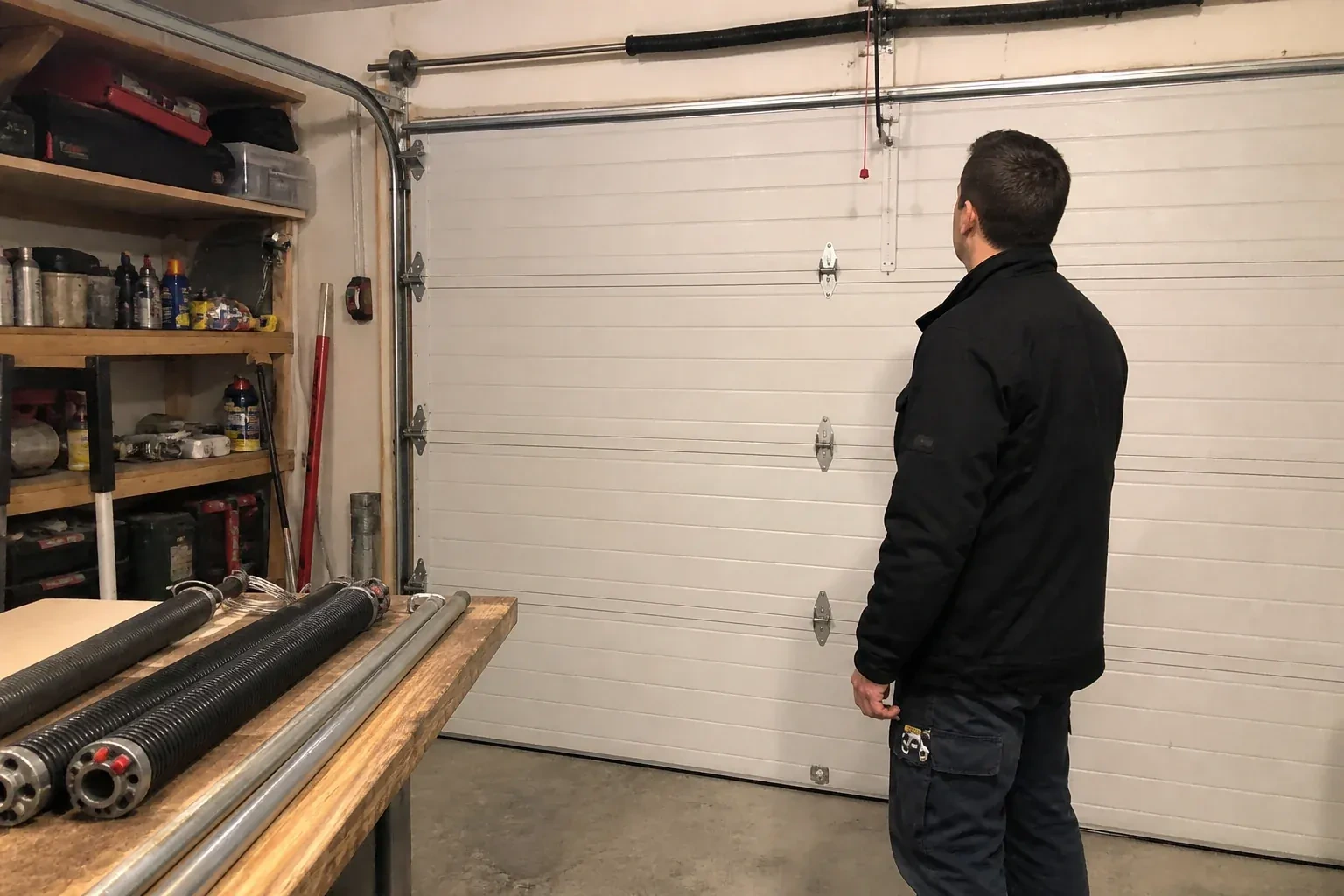
Plenty of garages in Glenridge are workshops first and parking second. Dust, sawdust and frequent openings are hard on rollers and photo-eyes, so we fit sealed bearings, protect the sensors, and set the opener for the extra cycles, so the door keeps pace with whatever you are building inside.
Plenty of garages in Glenridge are workshops first and parking second. Dust, sawdust and frequent openings are hard on rollers and photo-eyes, so we fit sealed bearings, protect the sensors, and set the opener for the extra cycles, so the door keeps pace with whatever you are building inside.
The biggest door in the house, done right.
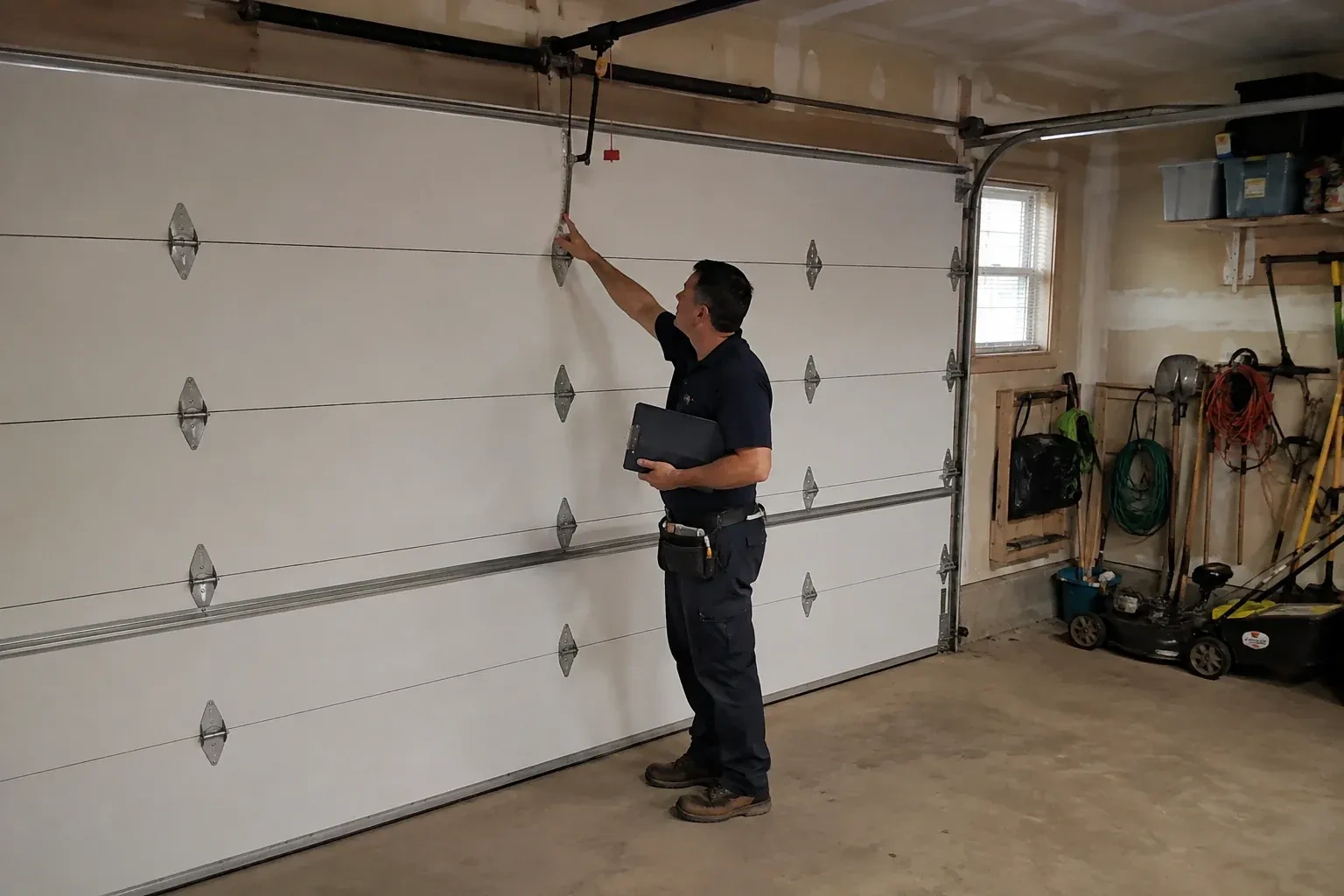
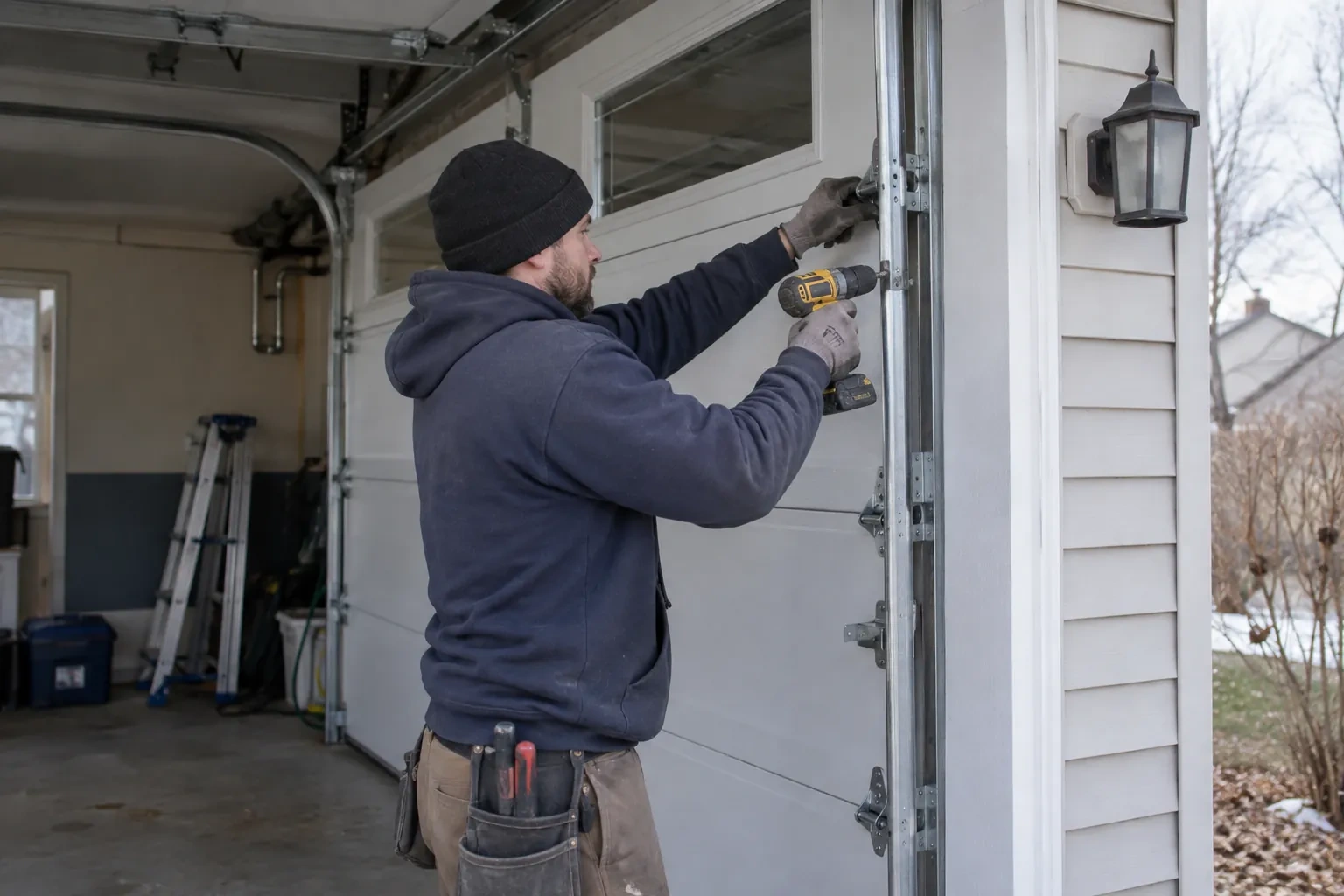
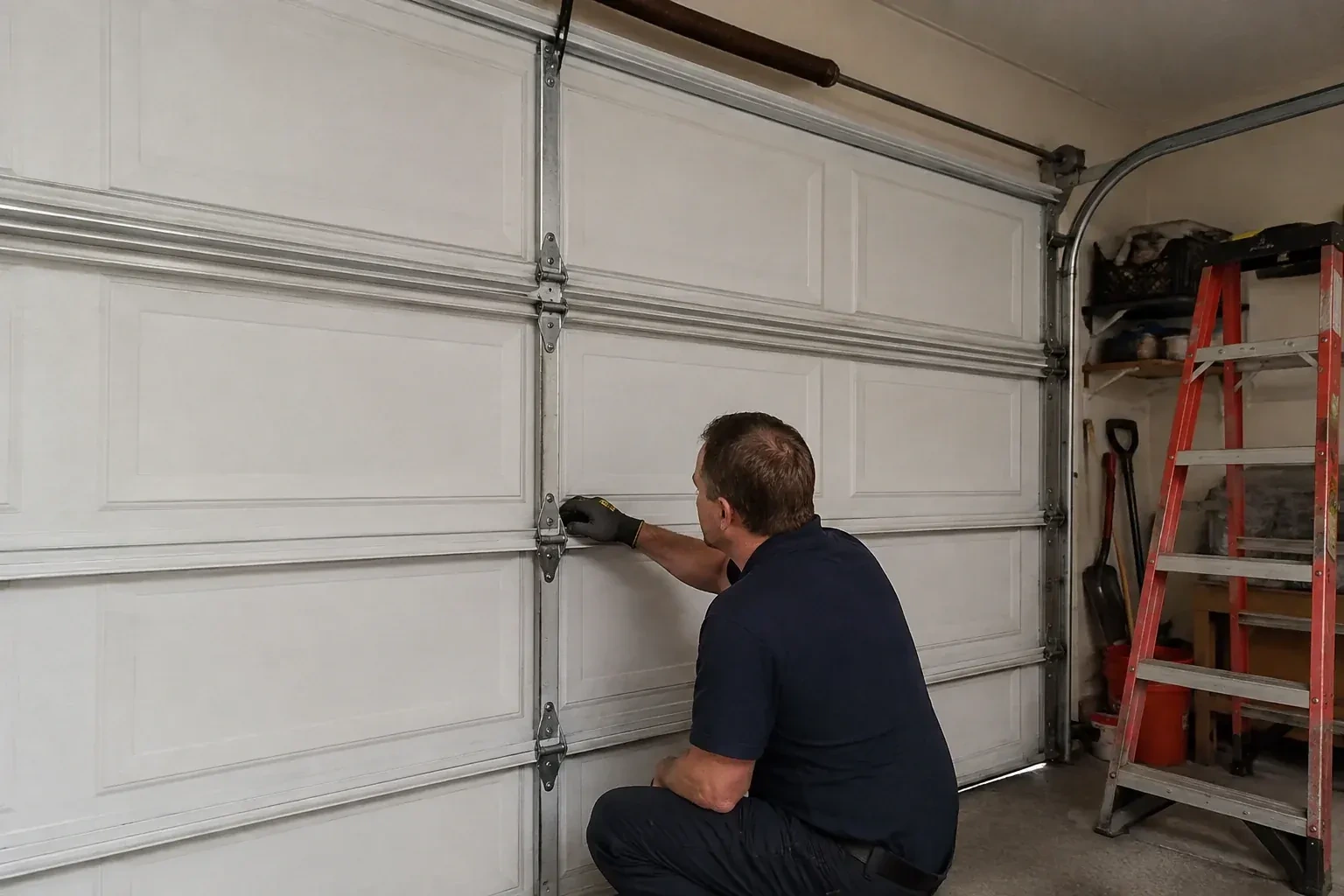
For customers in Glenridge the sequence is always the same. Assess the door in person. Explain what was found and why. Price the options on site. Do the agreed work with the door secured and the right tools. Test every part of the travel. Show you what changed. Then clean up and go.
Our technicians know Glenridge well, from the older streets with their original wooden doors to the newer subdivisions with insulated steel sectionals. That range keeps us ready for whatever the day brings. We handle spring and cable replacement, opener repair and installation, panel and track work, weather sealing and complete new doors, and we explain the options before the work starts.
18years in business
24/7open every day
Questions welcome. Ask why a spring broke, what a roller does, whether the opener is worth keeping. Clear answers are part of the service.
Leaving it as we found it. Vehicles moved back, packaging removed, floor cleaned. The only change you notice is a door that runs properly.
Decisions made with the facts. We show you the wear, describe the choices and their consequences, and support whichever route you pick.
A garage door in Glenridge rarely fails all at once. It gets louder, slower or less even first. Our services are arranged so you can act at any point: a tune-up while it is still working, a repair when something lets go, or a replacement when the door has earned its retirement.
About 49% of homes in Tillsonburg were built in 1980 or earlier, according to the 2021 Census.
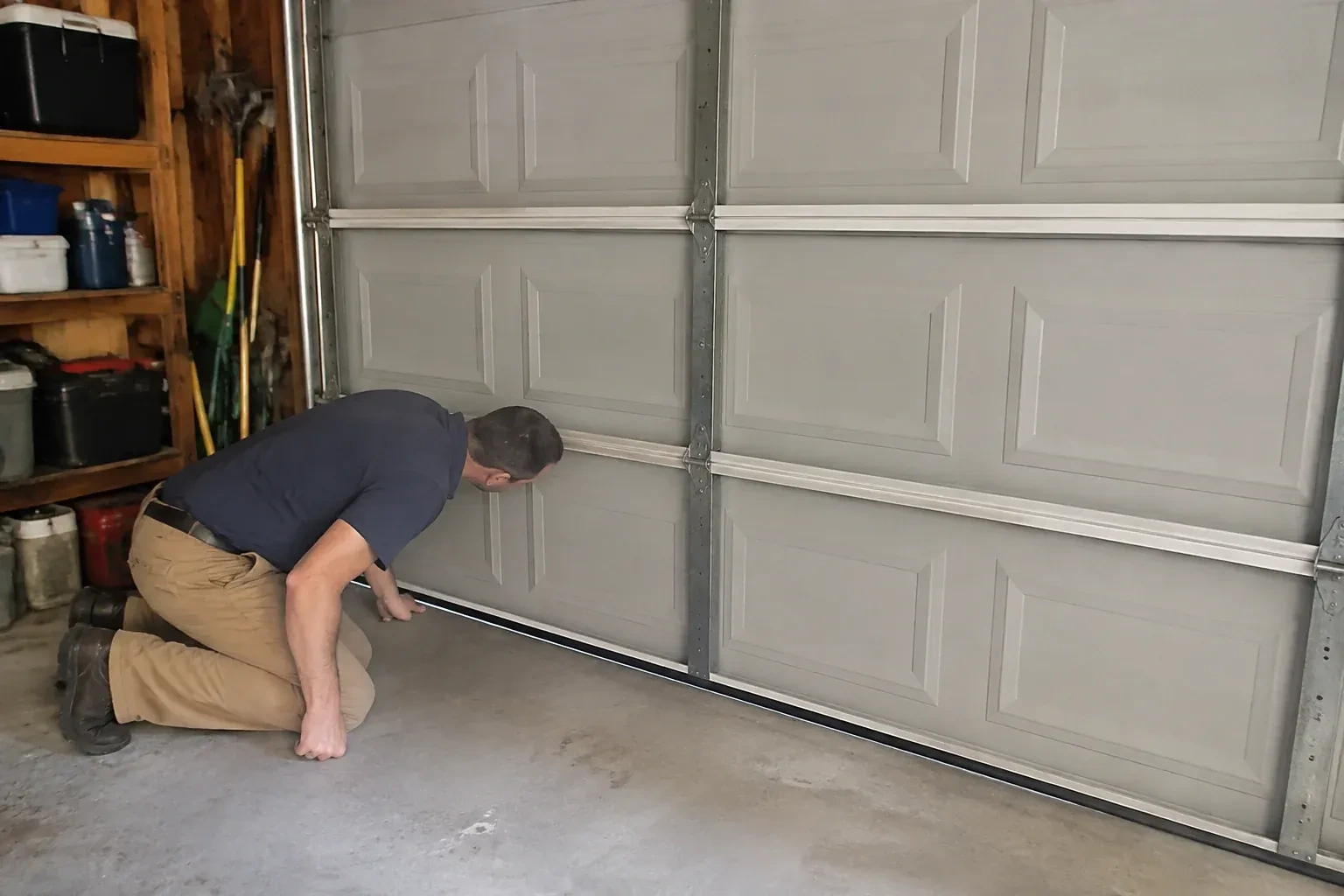
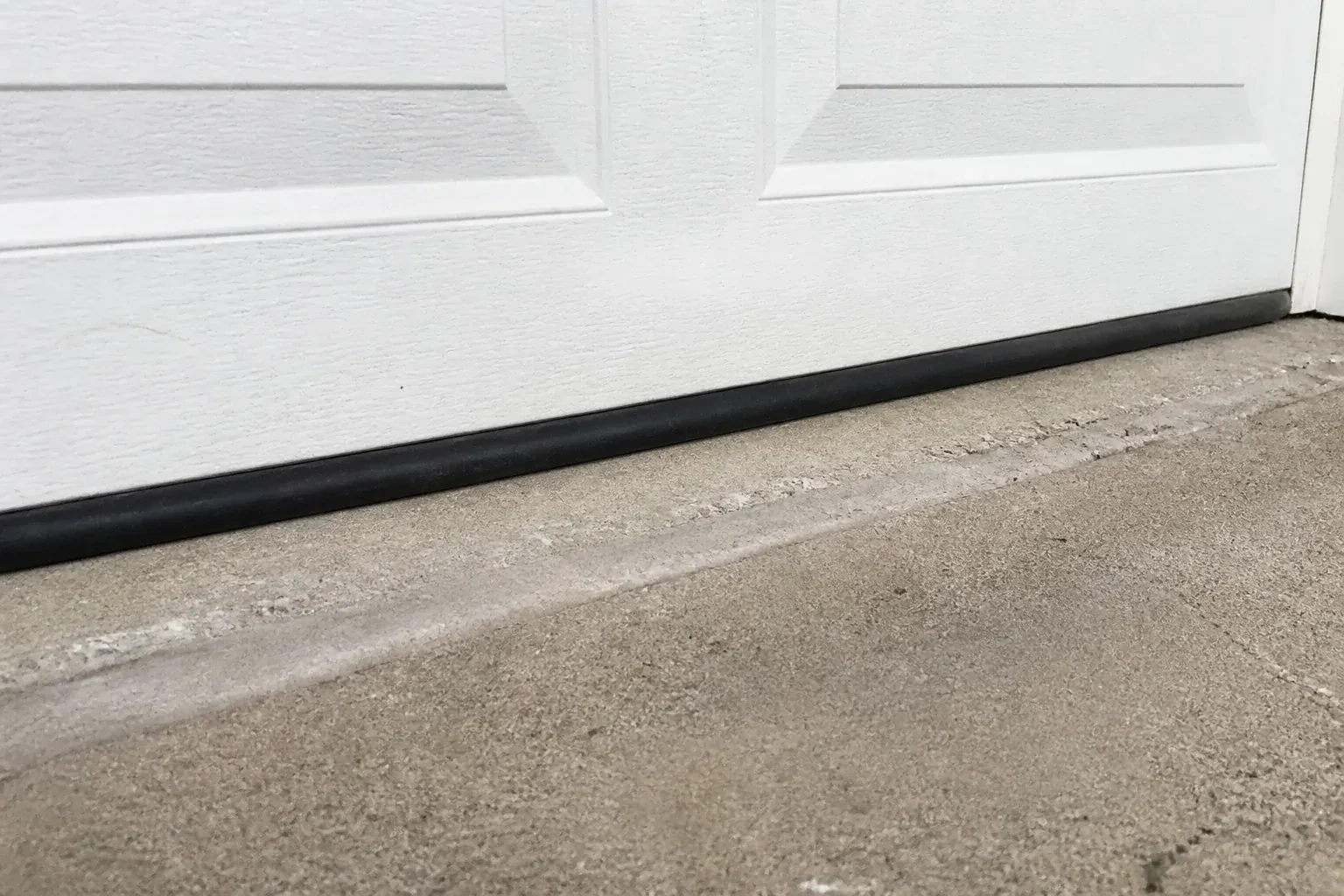
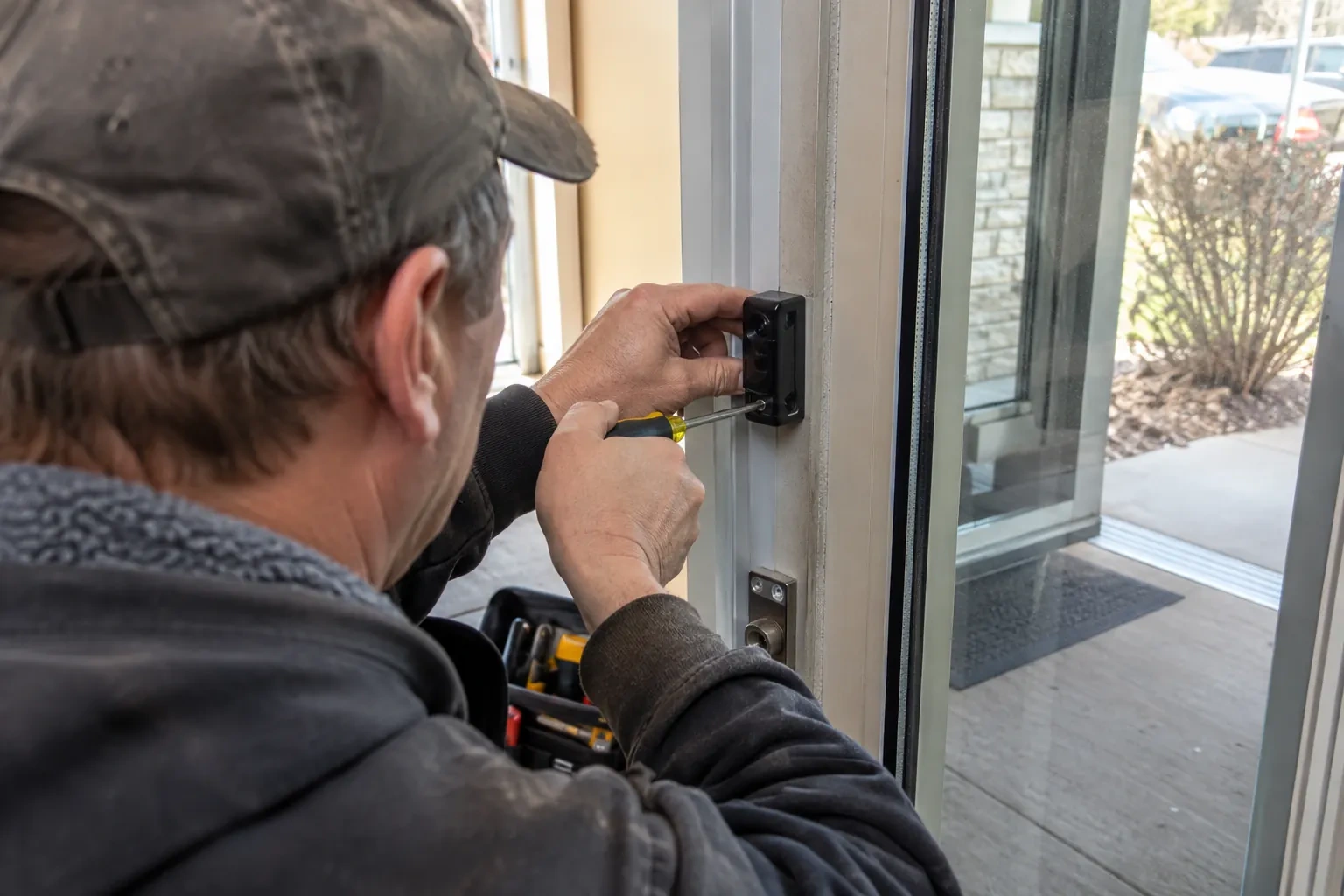
Where houses span several decades, weatherproofing needs vary: older garages with uneven aprons need thicker bottom seals, newer ones mainly need cracked seal sections replaced. The technician looks at how the door meets the floor and the jambs and fits the seal that actually closes the gap.
Single-detached houses make up about 68% of homes in Tillsonburg (2021 Census).
Mostly houses
Detached homes usually have their own driveway and apron, and years of freeze and thaw can leave the concrete uneven where the door meets it. A thicker bottom seal or a threshold strip closes the gap, keeping snow, leaves and cold air out of the garage.
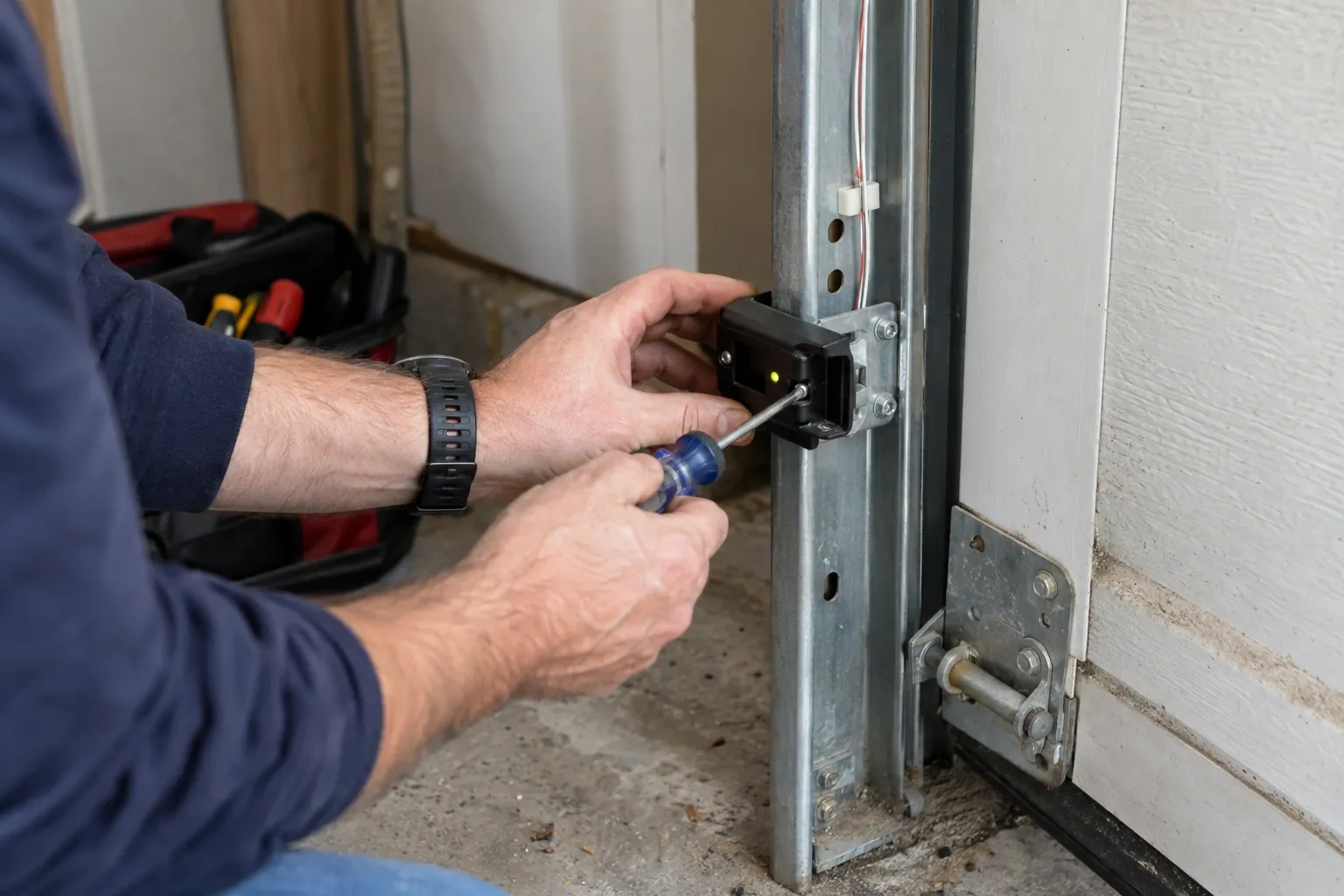
Twice this week the door started closing, stopped a metre from the floor and reopened on its own. One of the little sensor lights near the floor blinks instead of glowing steady, and the wall button has to be held to close it.
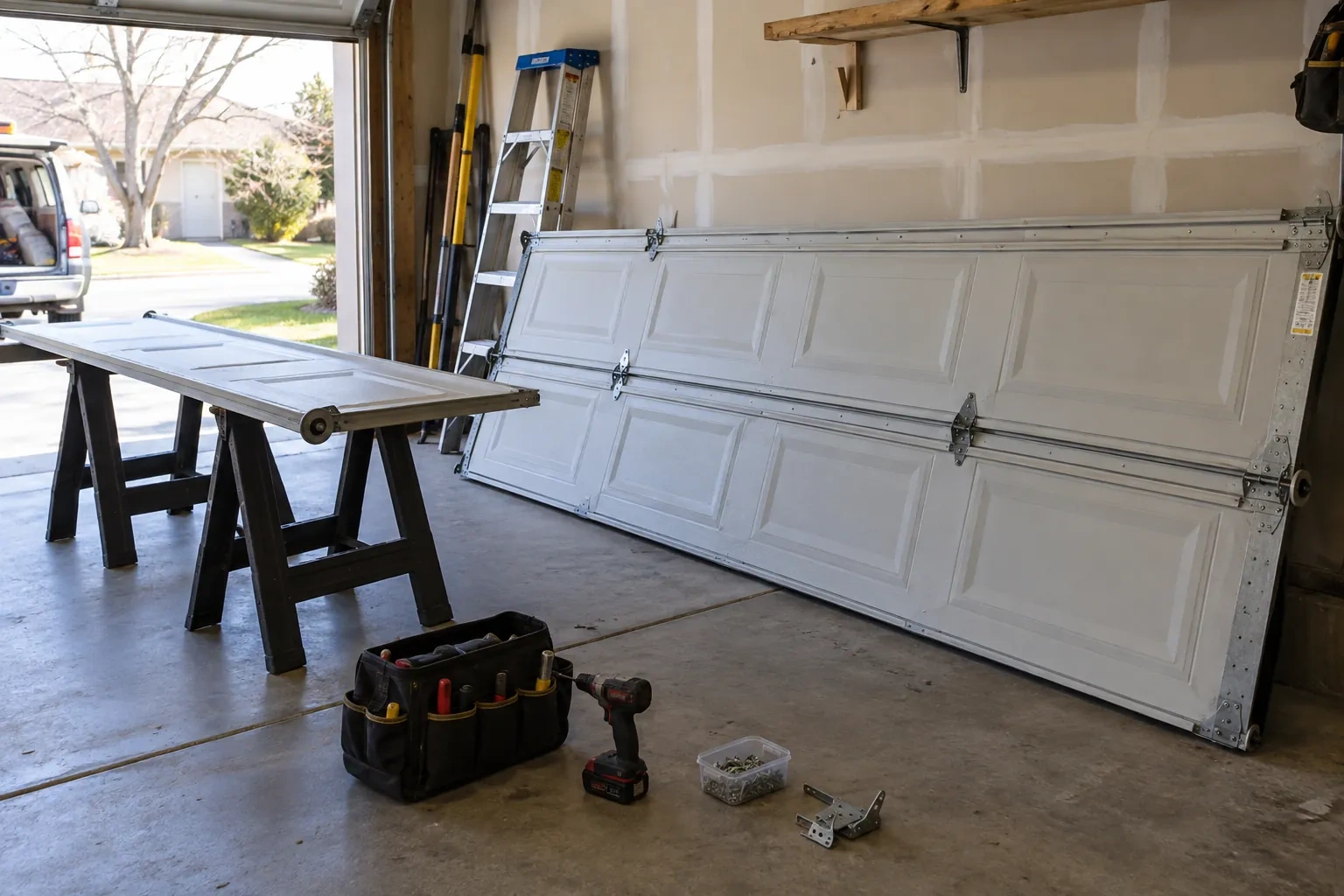
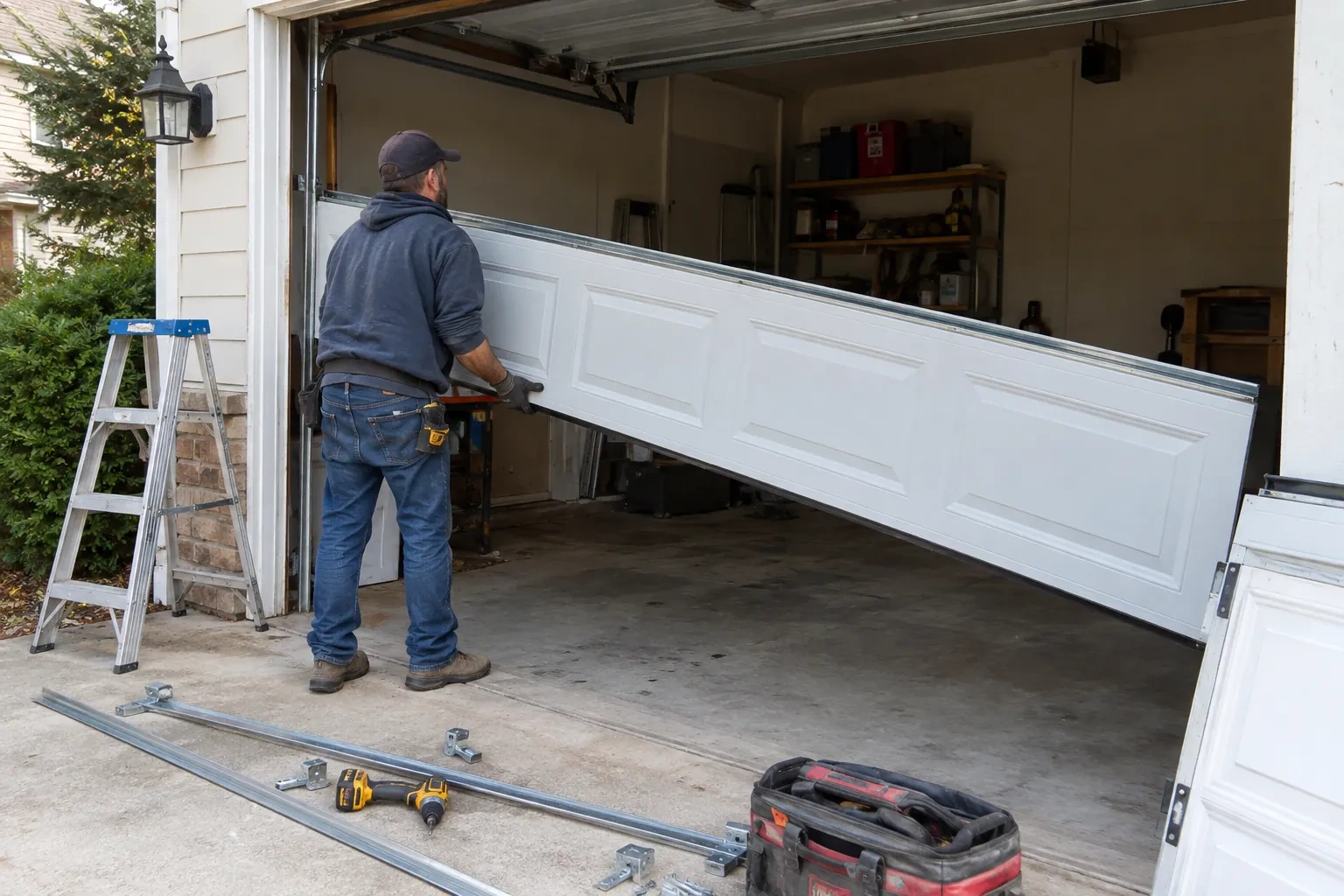
You tapped the door with the bumper while backing in, barely a nudge, and now the bottom corner has swung inward. One roller is dangling outside the rail, the section is twisted, and the door will neither rise nor settle flat.
A length of weatherstrip along the right jamb has pulled away, nails and all, and it slaps against the trim every time the wind picks up. The wood behind it is dark and soft where it meets the floor.
Every morning the door announces itself: a rattle on the way up, a grinding squeal on the way down, loud enough that the neighbours know when you leave. A spray of lubricant settled it for a day or two, then the racket came back.
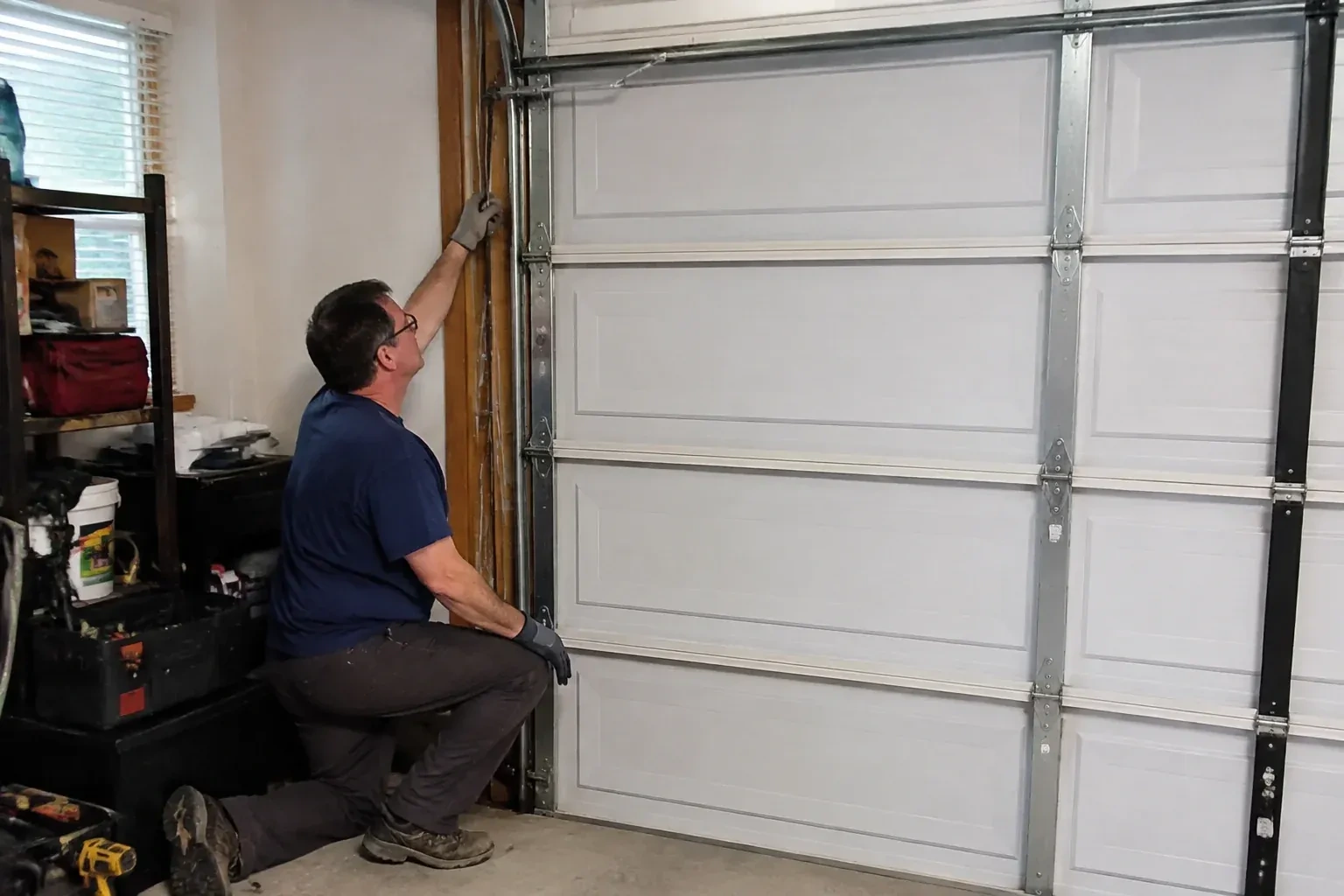
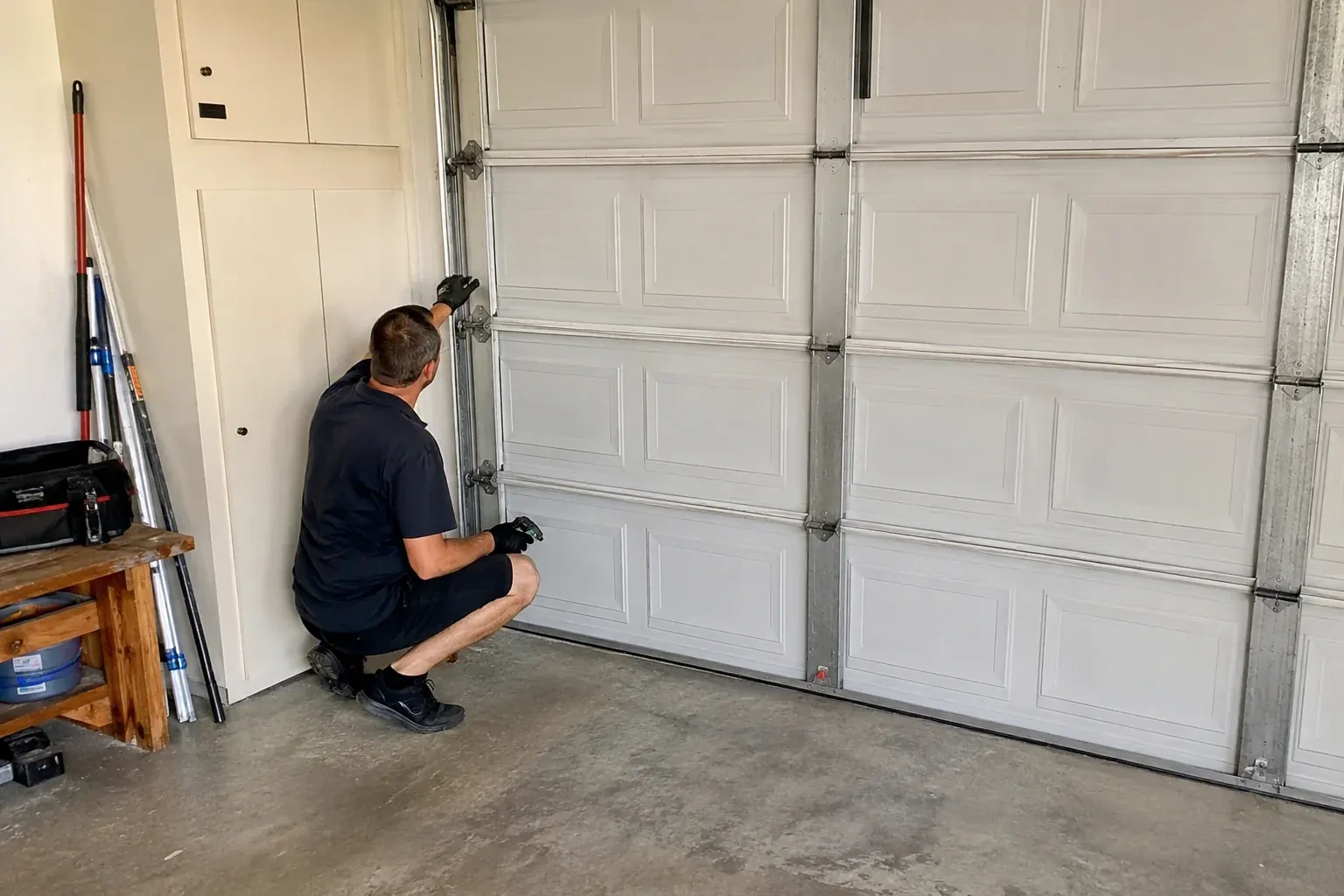
The door climbs crooked, one side clearly ahead of the other. Nothing looks broken, but the two tracks sit different distances from the door, and one leans in toward the opening near the top.
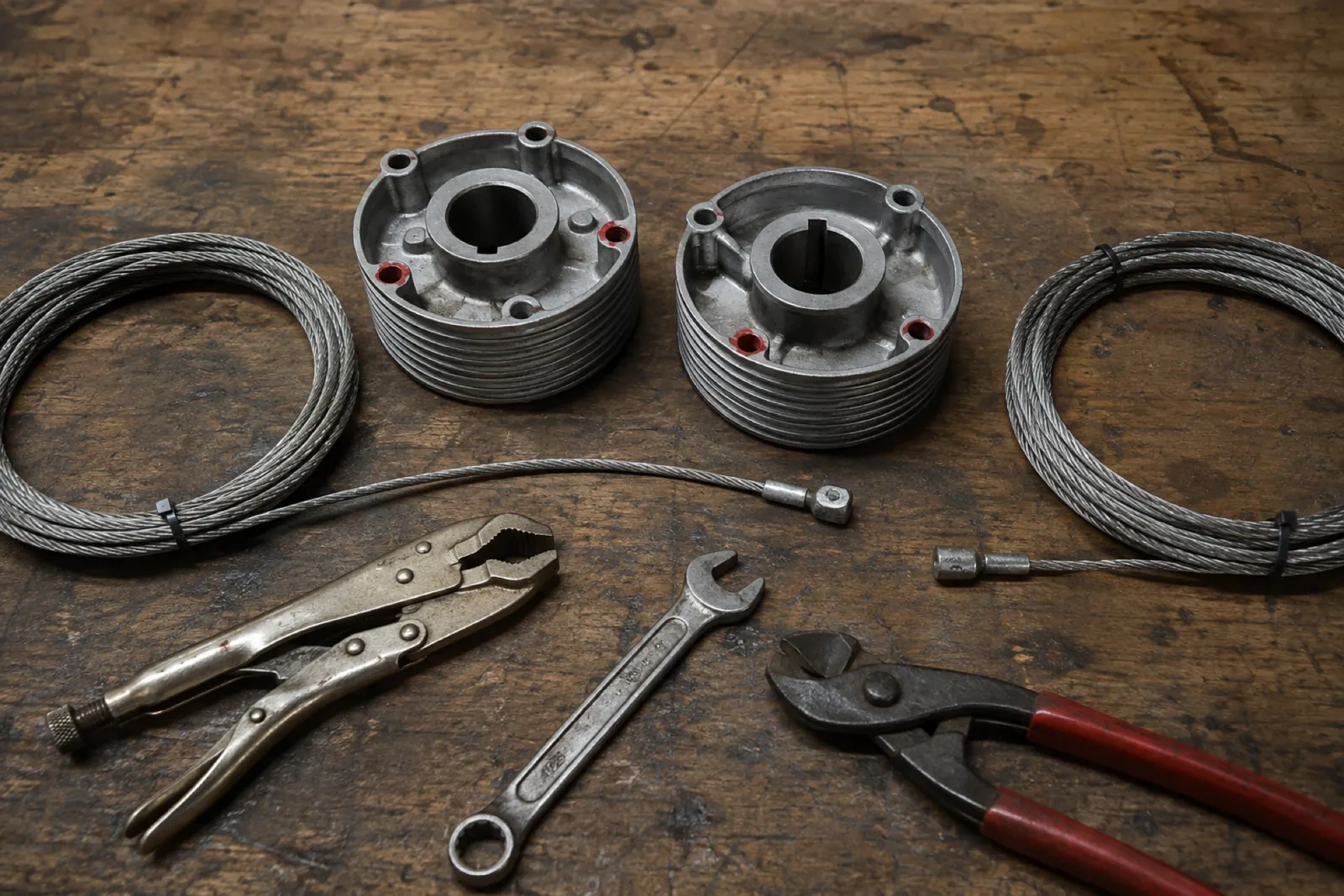
Someone left the snow shovel leaning in the opening and the door came down on it. Now a loop of steel cable hangs loose beside the track and the door refuses to close the last few inches.
You heard a sharp bang from the garage, and now the opener hums for a second and gives up. The door lifts a few centimetres at most, then settles back down as if something very heavy is holding it in place.
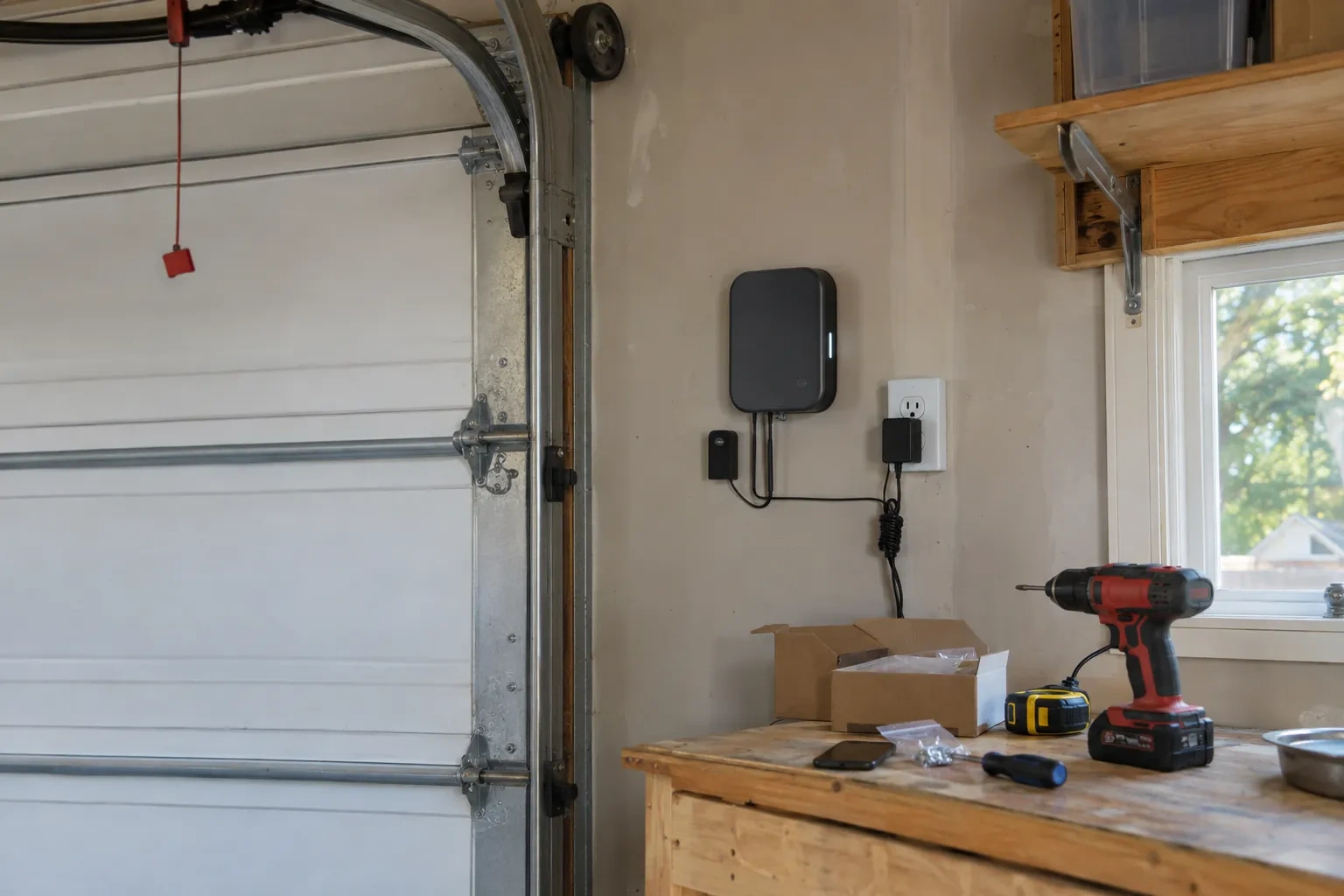
The opener has started to groan on the way up. The door climbs slowly, hesitates near the top, and on the way down it sometimes stops a hand's width above the floor and reverses, as if something were in the way when nothing is.
The door closes, touches the floor, then climbs straight back up as if it hit something. Nothing is in the way, the sensor lights are steady, and it has been doing this since the weather turned.
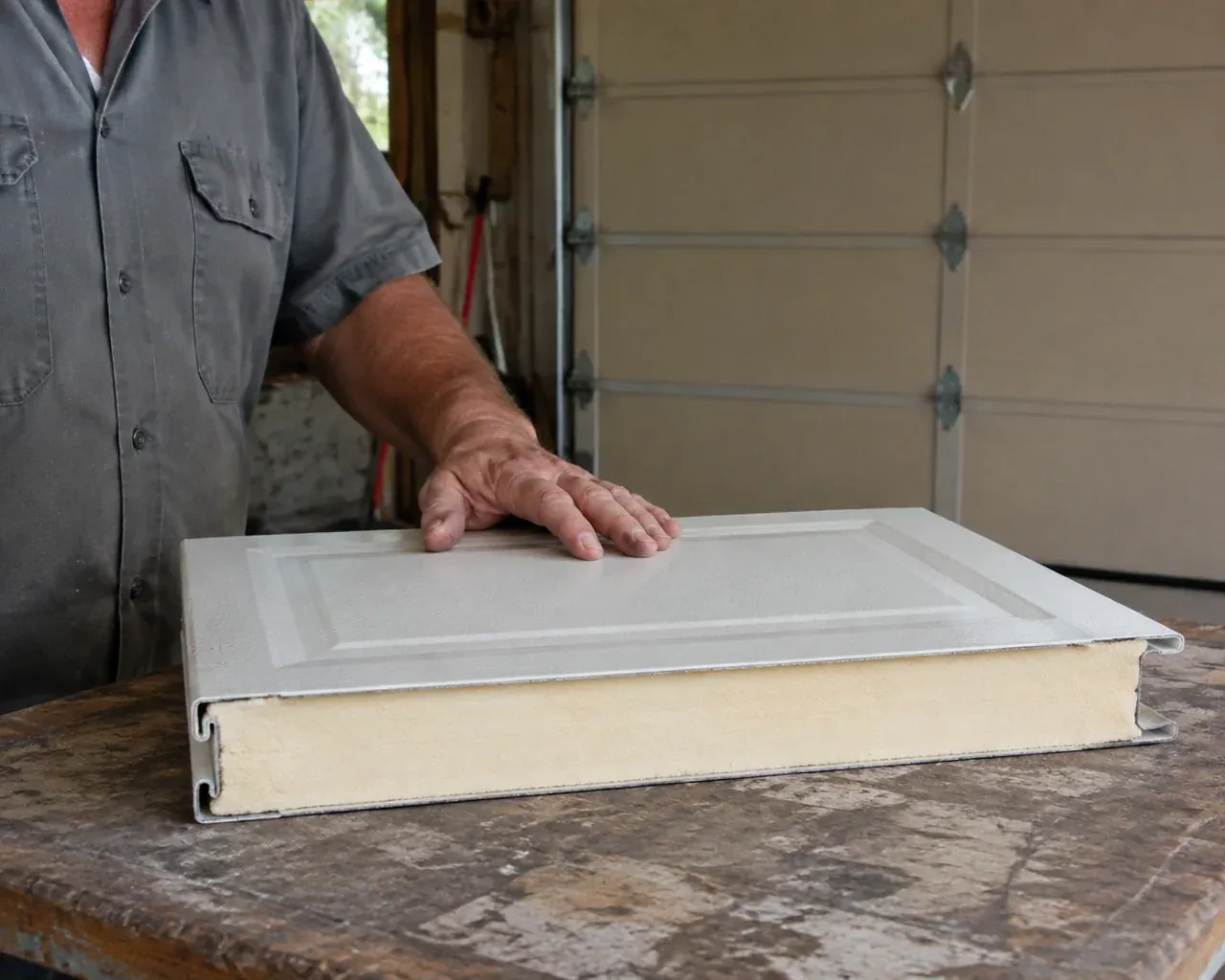
The room above your attached garage stays chilly while the steel door below feels cold to the touch. Light shows at the edges, and every winter wind seems to find the gaps around the opening.
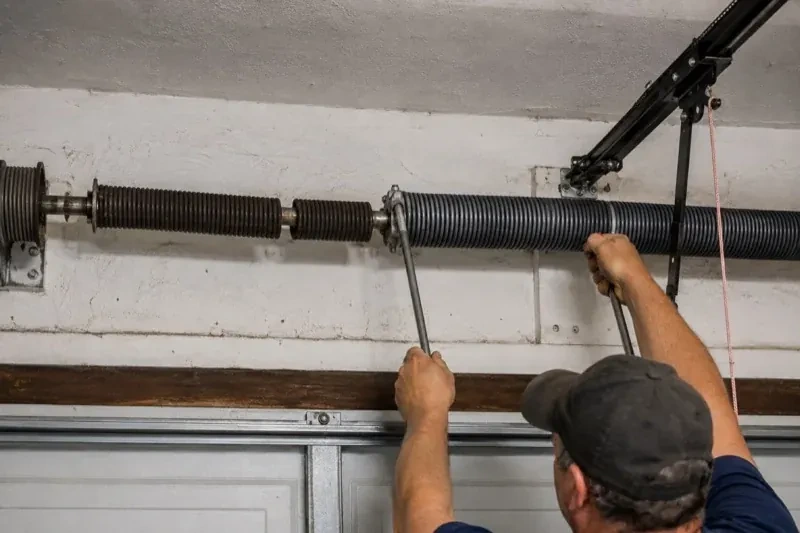
Heavier doors, such as insulated steel or wood, need springs with more capacity, and a door that has been reskinned or insulated since its springs were fitted may be undersprung without anyone knowing. We check the match and correct it.
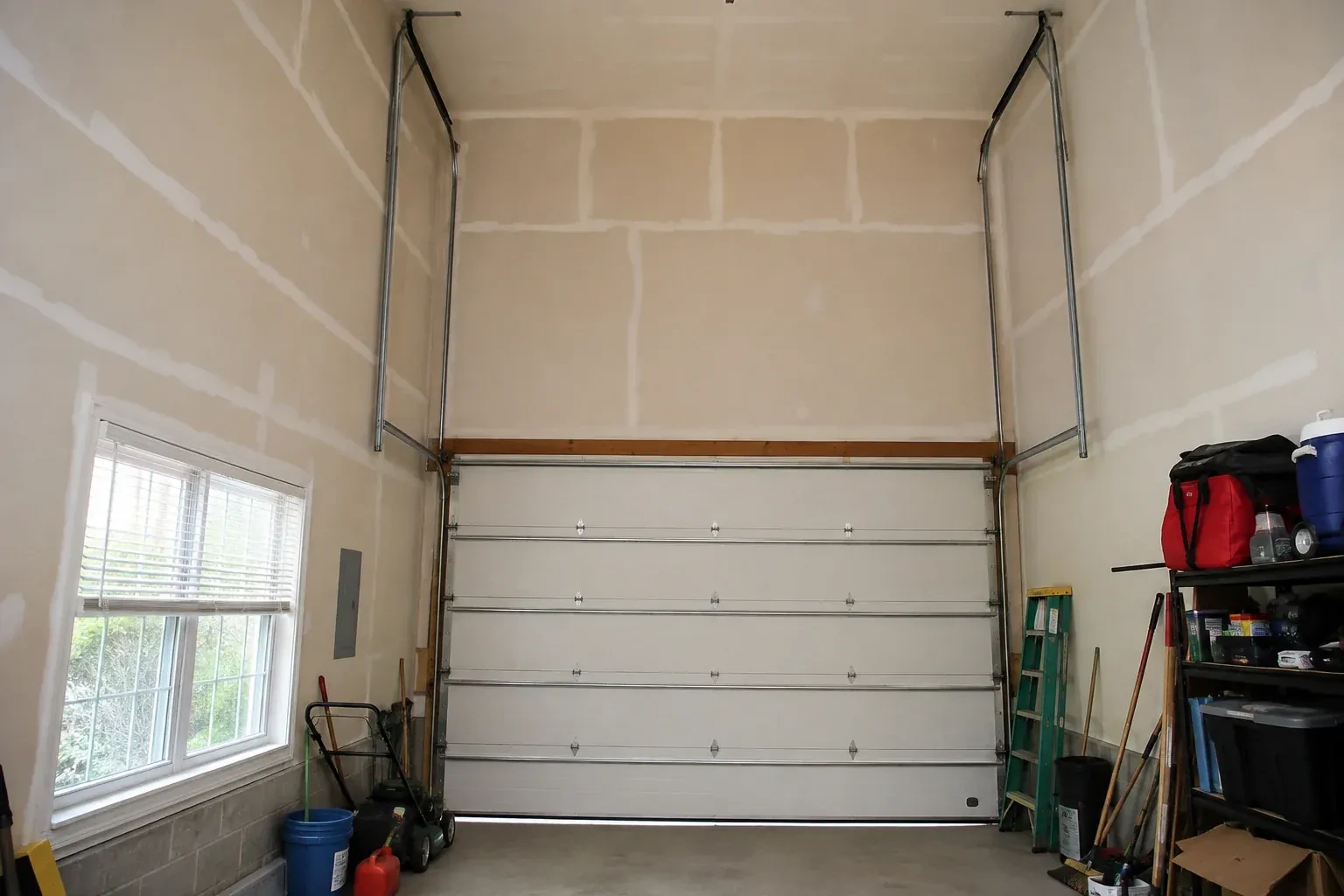
Outfitting a garage for a car lift, a boat or a tall van means a taller door or a high-lifttrack. We assess the headroom and the ceiling, and we install the door and hardware that make the space work.
WhyFor an attached garage the perimeter seal does more than keep leaves out.
Every morning the door announces itself: a rattle on the way up, a grinding squeal on the way down, loud enough that the neighbours know when you leave.
WhyA low ceiling, storage rack or beam does not automatically rule out an insulated sectional door, but it does make the track plan central to the job.
How a visit goes
Describe the property, the hardware and what has changed, and the visit starts from what you have seen.
01
Your call, your words
There is no wrong way to describe a garage door problem. Tell us what you saw and heard; we ask the follow-up questions.
02
Finding the real cause
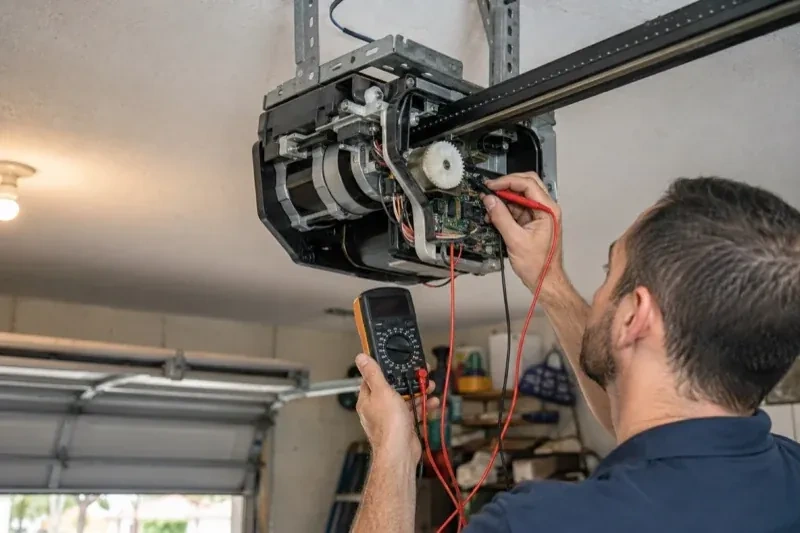
A door that stops halfway can be a sensor, a spring or a stripped gear. We test each possibility rather than assuming the obvious one.
03
Putting it right
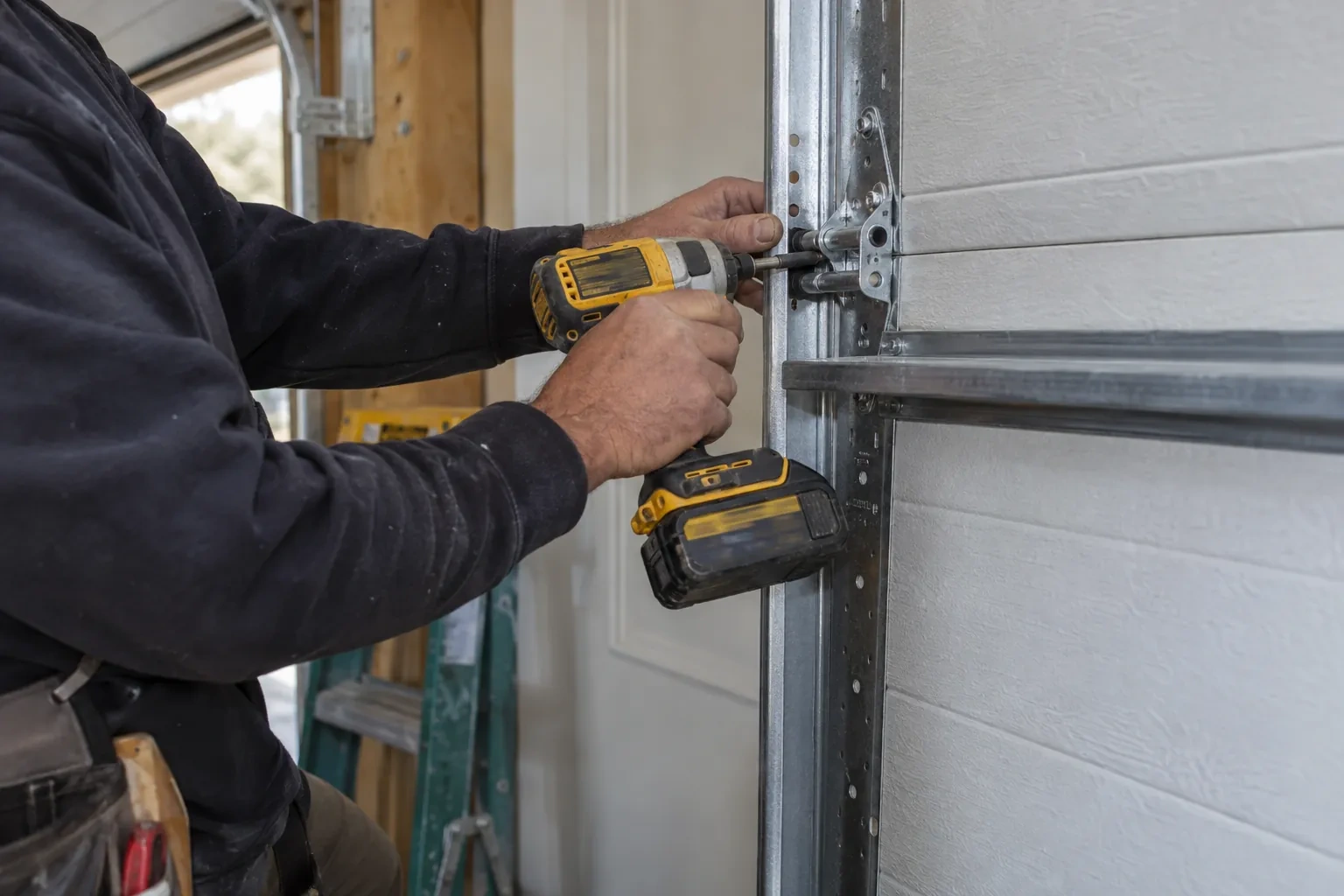
The technician fits the correct parts, adjusts the opener to the door, and shows you the result running through full cycles.
What should I do if the bottom seal freezes to the floor?
Do not keep pressing the button; the opener can tear the seal or pull the top section out of shape. Free the seal by clearing the ice along the threshold, with warm water poured on the concrete rather than the door, or by working a plastic scraper along the seal. Then treat the seal with a silicone spray. Keeping snow and meltwater cleared from the threshold and keeping the seal flexible with silicone prevents most repeats.
How long does an off-track reset take?
A single escaped roller on a sound door with no cable trouble is usually done in well under an hour once the door is secured. A door that has racked with slack cables, several rollers out and a bent hinge takes longer because the springs are unwound, cables rewound and hardware replaced before the rollers go back. A vehicle strike that needs new track is the longest version. You get an estimate of time on arrival.
How can I tell the side and top seal needs replacing?
Close the door, turn off the garage lights and look along the edges for daylight. Then press the fin with a thumb: it should be soft and spring back. Hardness, cracks, pieces missing, a strip hanging loose, snow or leaves inside along the edge, or a fin that has folded under and torn are all signs. A rubbing squeal as the door moves is another.
Can I replace just the one roller that looks bad?
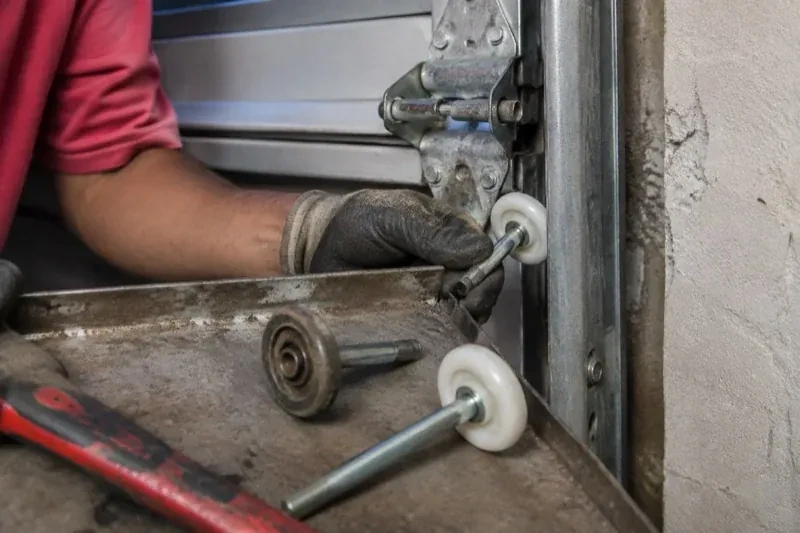
One roller can be changed on its own, and sometimes that is the sensible stopgap after a wheel breaks. The better result comes from a full set, because the other wheels have done the same number of cycles and are close behind, and mixing new with old, or nylon with steel, leaves the door running unevenly and sounding different on each side. A matched set also lets the technician set every top fixture and check every hinge in one pass.
Does a heavy insulated door need heavier track?
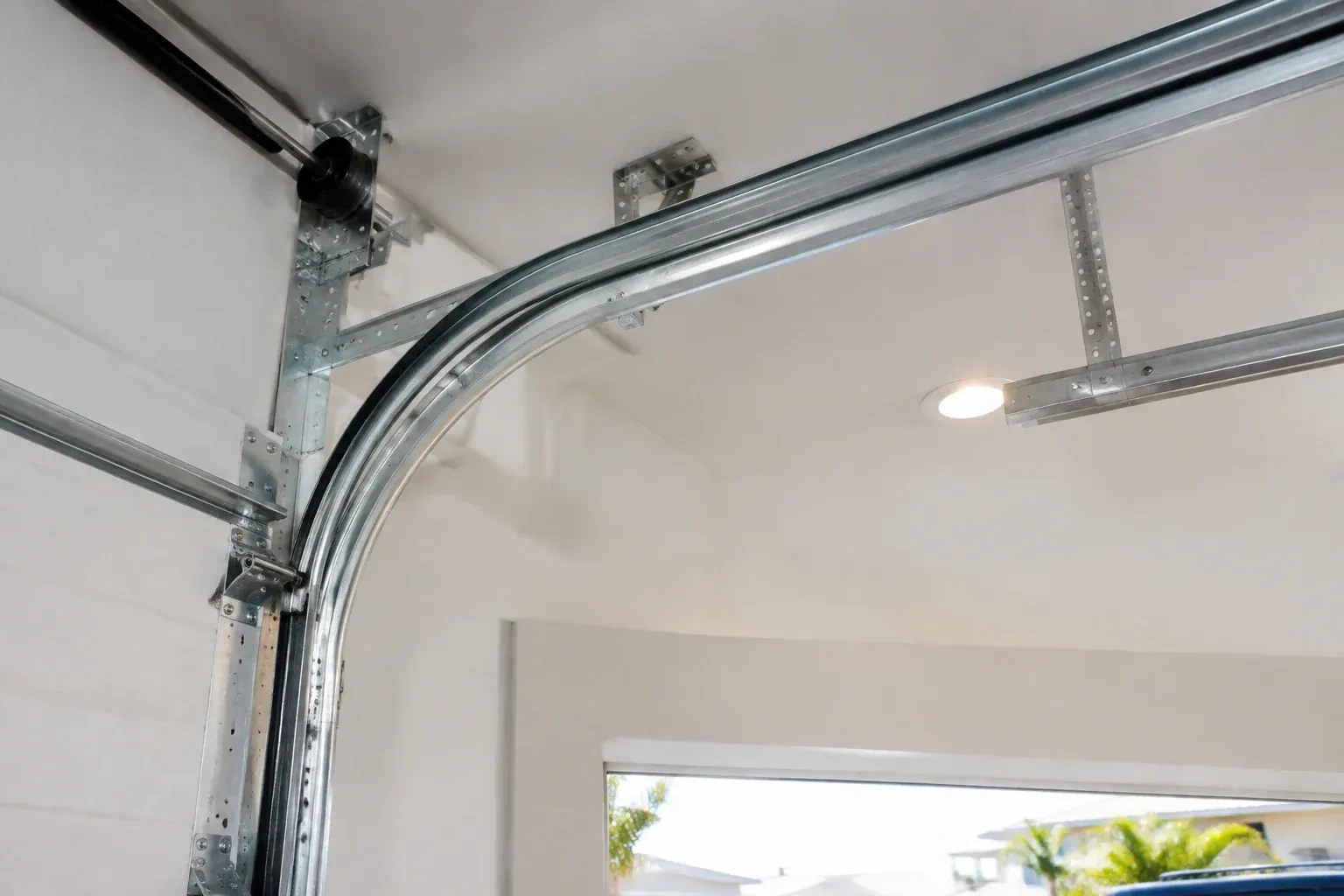
Usually the standard two-inch track handles a residential insulated door well, provided the gauge matches what the door maker specified and the brackets and hangers are properly fixed. Very heavy or oversized doors, and some carriage-style wood doors, are set up on three-inch track or on heavier-gauge two-inch. If a heavier door was hung on the light track from an earlier door, flexing and spreading follow, and the technician will say so.
What information helps when I call?
Whether the door is sitting crooked, jammed partway or on the floor; whether you can see a cable hanging loose, frayed or wrapped around the shaft; whether there is a spring above the door or springs along the tracks; the door's rough height and whether it is a single or double; and what happened just before, such as the door coming down on something. A photo of the drum end and the bottom corner is useful.
What should I do before the technician arrives?
Keep the door closed and leave it alone, move any vehicle you can reach out of the way or at least clear the space in front of the door inside the garage, and make sure there is room for a ladder beneath the shaft. Note whether there is one spring or two and whether a cable is loose. A photo of the spring area, the drums and the opener helps the technician bring the right parts.
Will I need new springs, or just an adjustment?
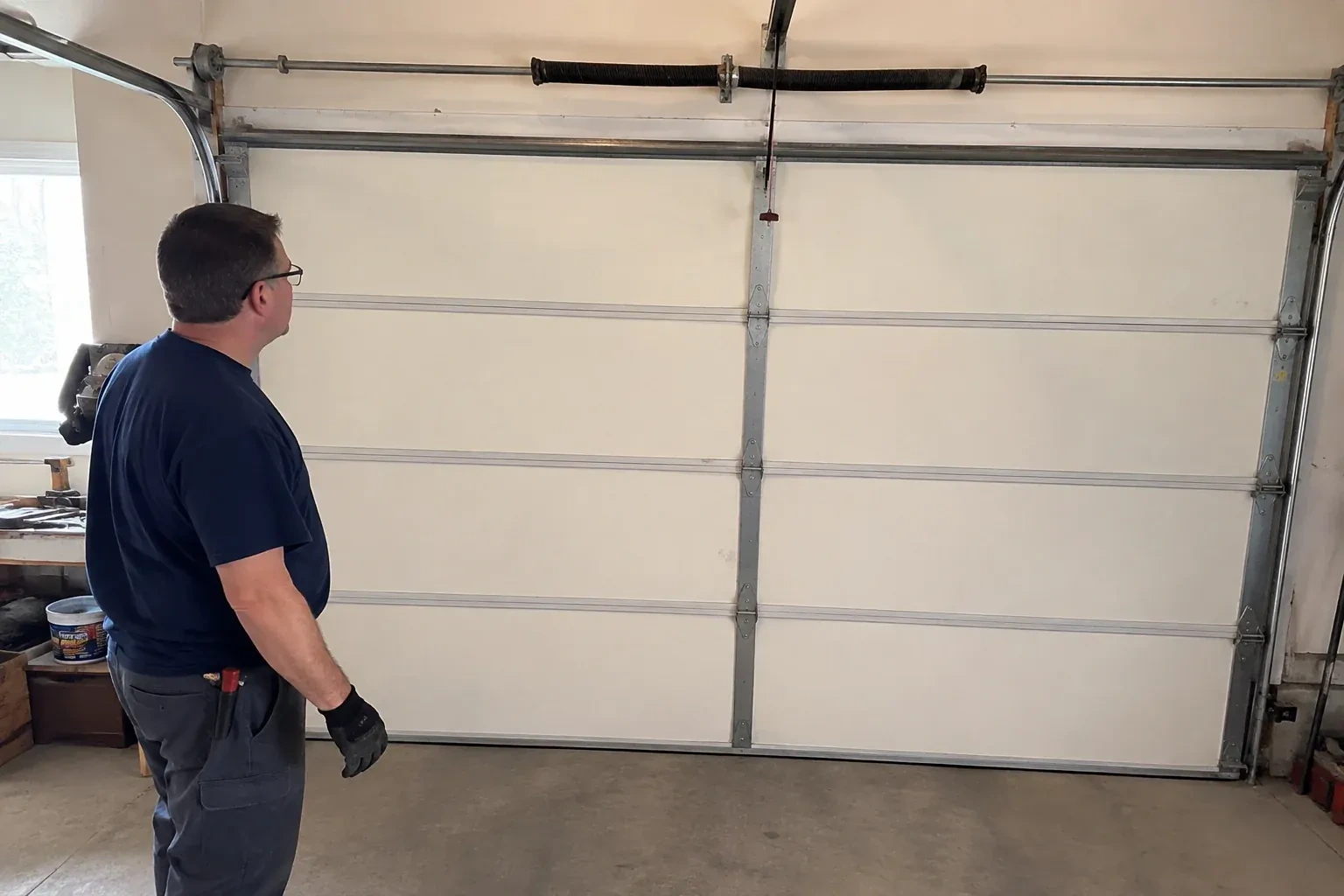
The inspection decides, and looks past appearance alone. A spring can look sound, with tight, evenly spaced coils, no rust pitting and no gap, and still be the wrong specification for the door or nearing the end of its service life. The technician checks the spring's specification against the door's weight and history: a spring that checks out is wound and left in service, while one that is undersized, stretched, corroded or close to its cycle life is better replaced. Either path ends in a balanced door.
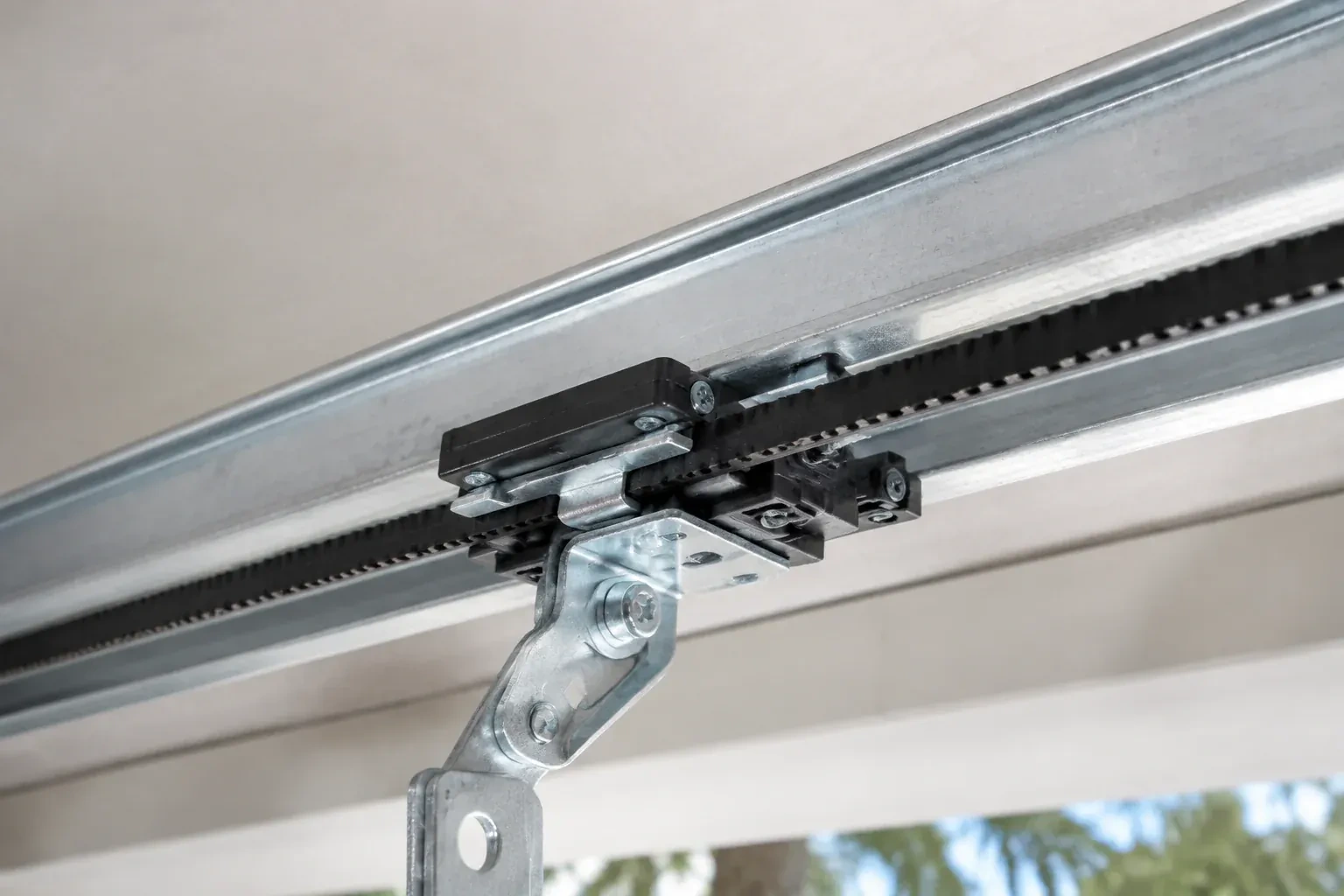
What is the trolley, and why would it get stuck?
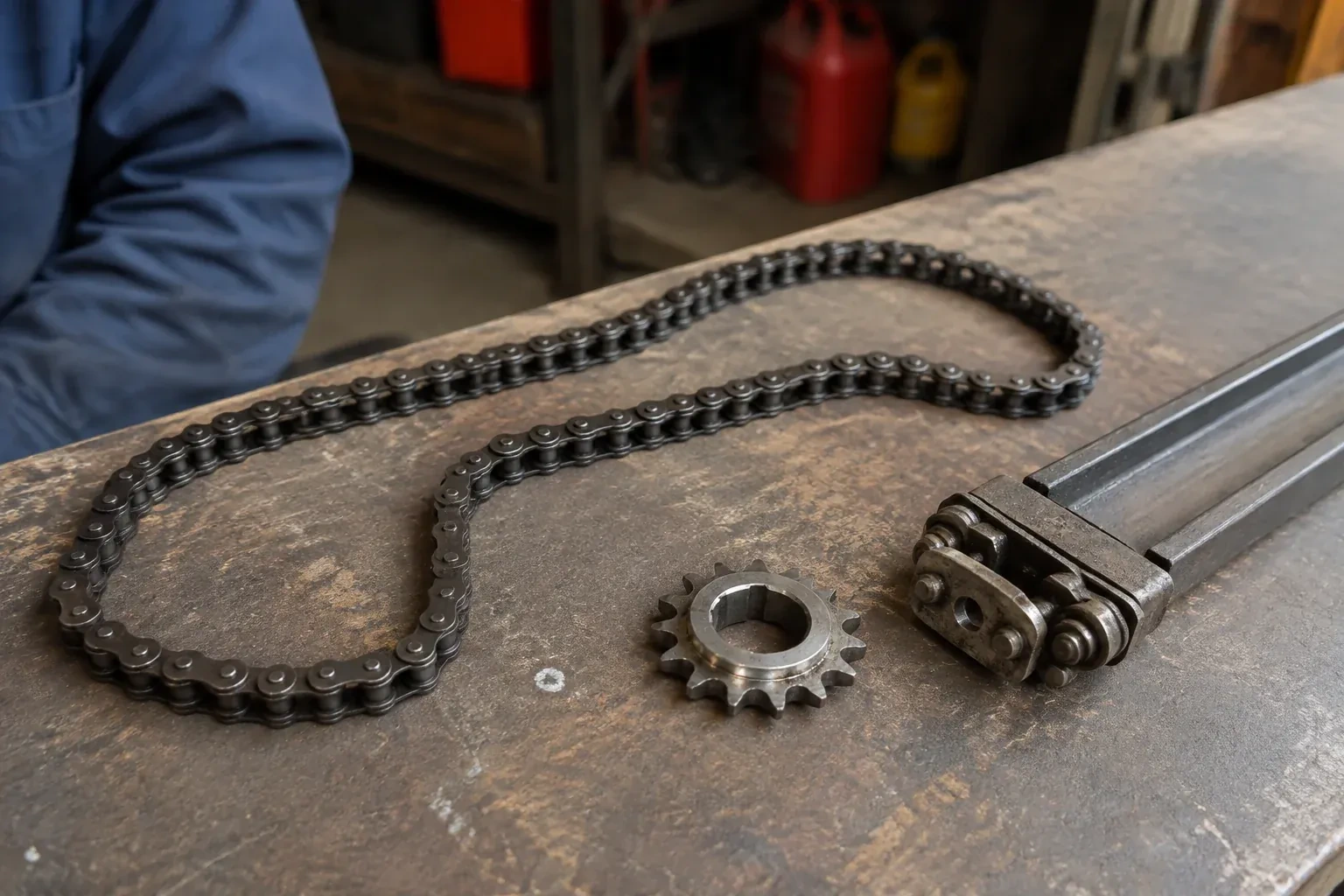
The trolley is the carriage that rides along the rail, pulled by the chain, with the door arm hooked to it. It gets stuck when the travel limits creep and it is driven onto the stop bolt at the head end or the stop tab at the door end, where the motor hums but nothing moves. The technician slackens the chain, runs the trolley off the stop under power, and pulls the limit back so it stops short in future.
Why are new springs selected for the replacement door?
Counterbalance springs are chosen around the completed door's weight, height, track arrangement and intended travel. Insulation, steel skins, windows and reinforcement all contribute to that load. A spring combination from a different assembly may provide unsuitable torque even when it physically fits. Matching the counterbalance to the ordered door supports manageable manual movement and orderly cable travel.
Request a visit
For customers in Glenridge the sequence is always the same. Assess the door in person. Explain what was found and why. Price the options on site. Do the agreed work with the door secured and the right tools. Test every part of the travel. Show you what changed. Then clean up and go.