Garage Doors in Walsingham, OntarioKeep the weatheron the outside.
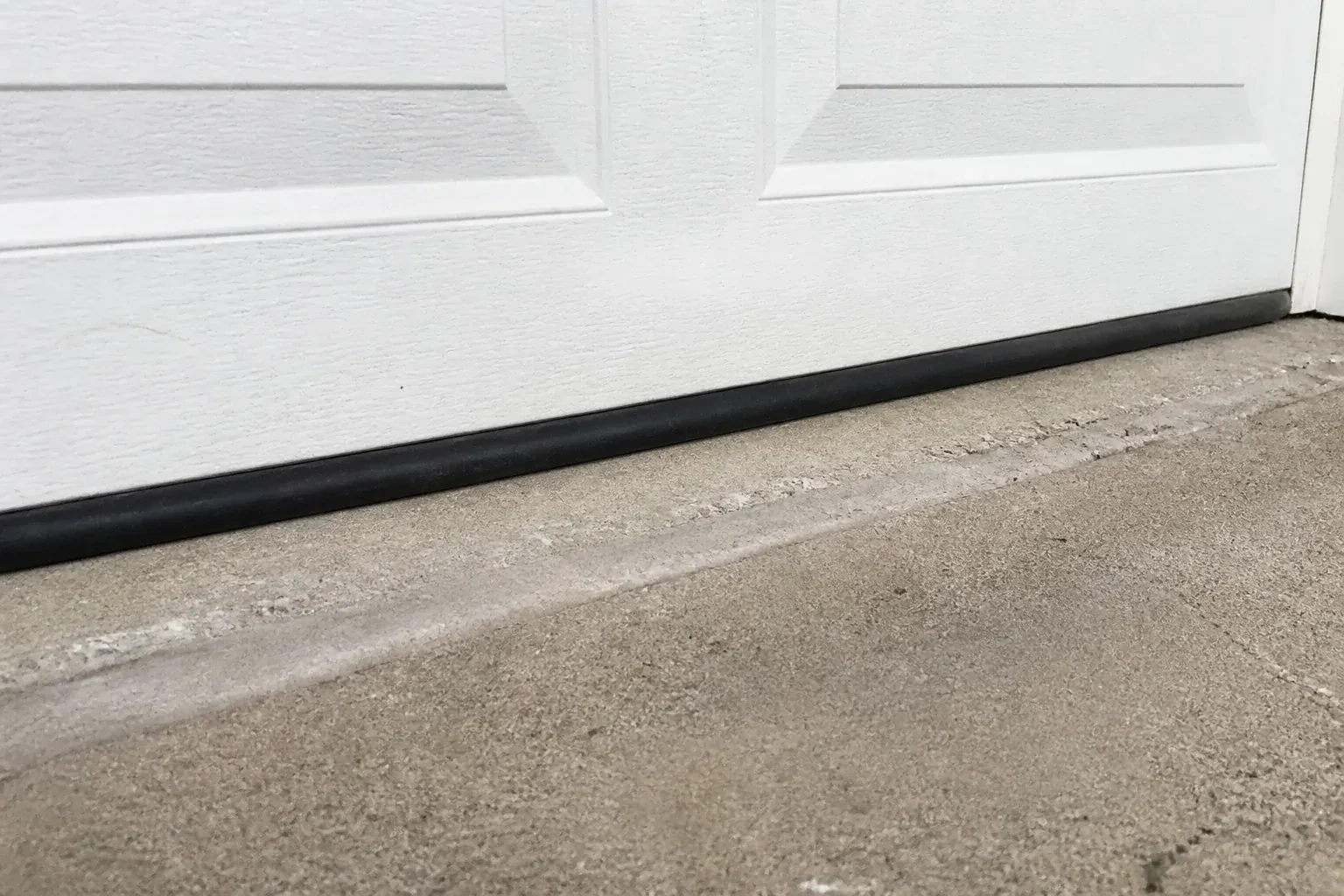
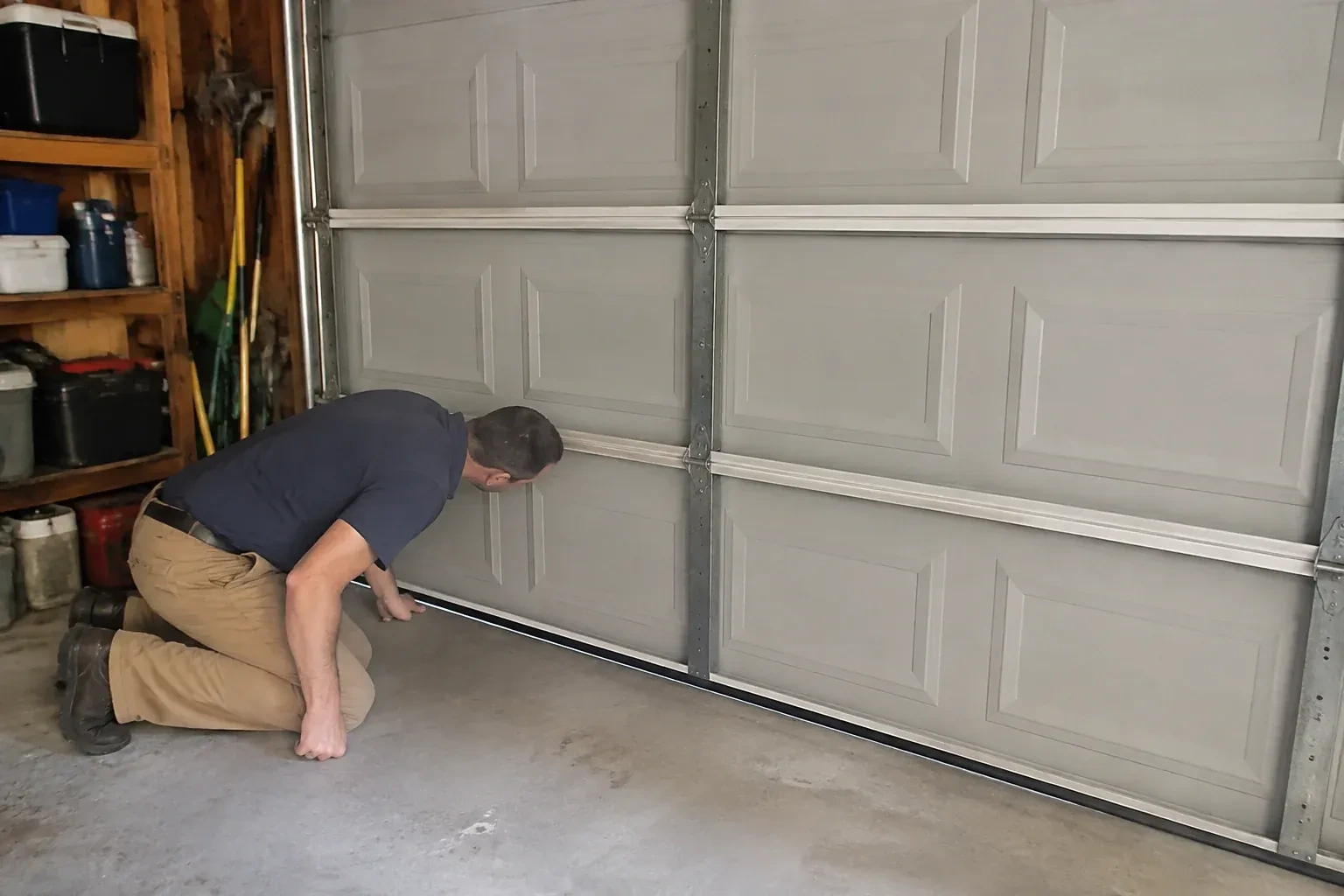
A cracked bottom seal lets snow, leaves and cold air into the garage and lets warmth out of the room above. For homes in Walsingham we fit new bottom seals and perimeter weatherstrip sized to the door, so the garage stays drier and the furnace works less hard through the winter. We serve Clear Creek, Cultus, Fairground, Hemlock, Houghton Centre, Jacksonburg, Rowan Mills and Spring Arbour as well.
A cracked bottom seal lets snow, leaves and cold air into the garage and lets warmth out of the room above. For homes in Walsingham we fit new bottom seals and perimeter weatherstrip sized to the door, so the garage stays drier and the furnace works less hard through the winter. We serve Clear Creek, Cultus, Fairground, Hemlock, Houghton Centre, Jacksonburg, Rowan Mills and Spring Arbour as well.
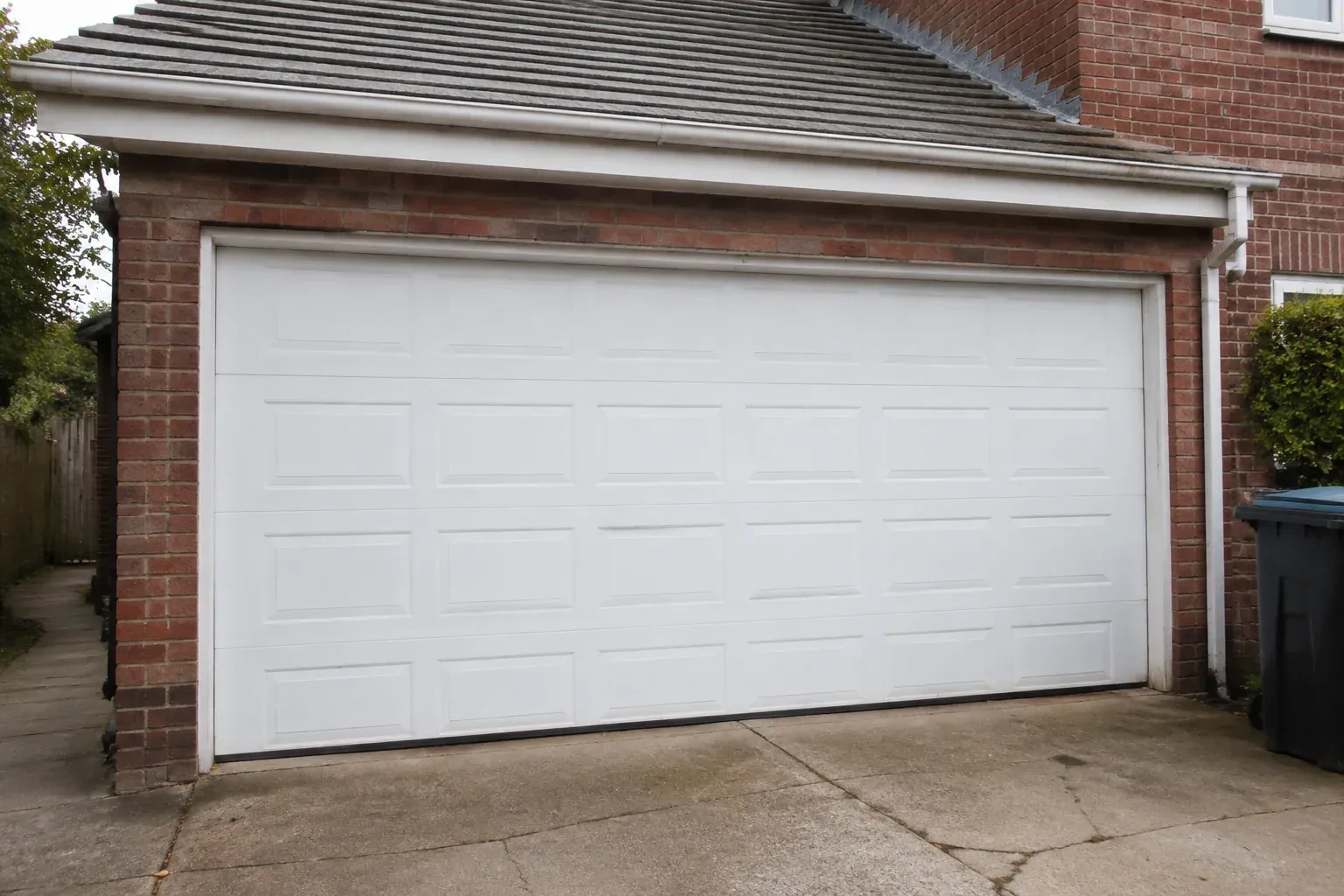
The biggest door in the house, done right.
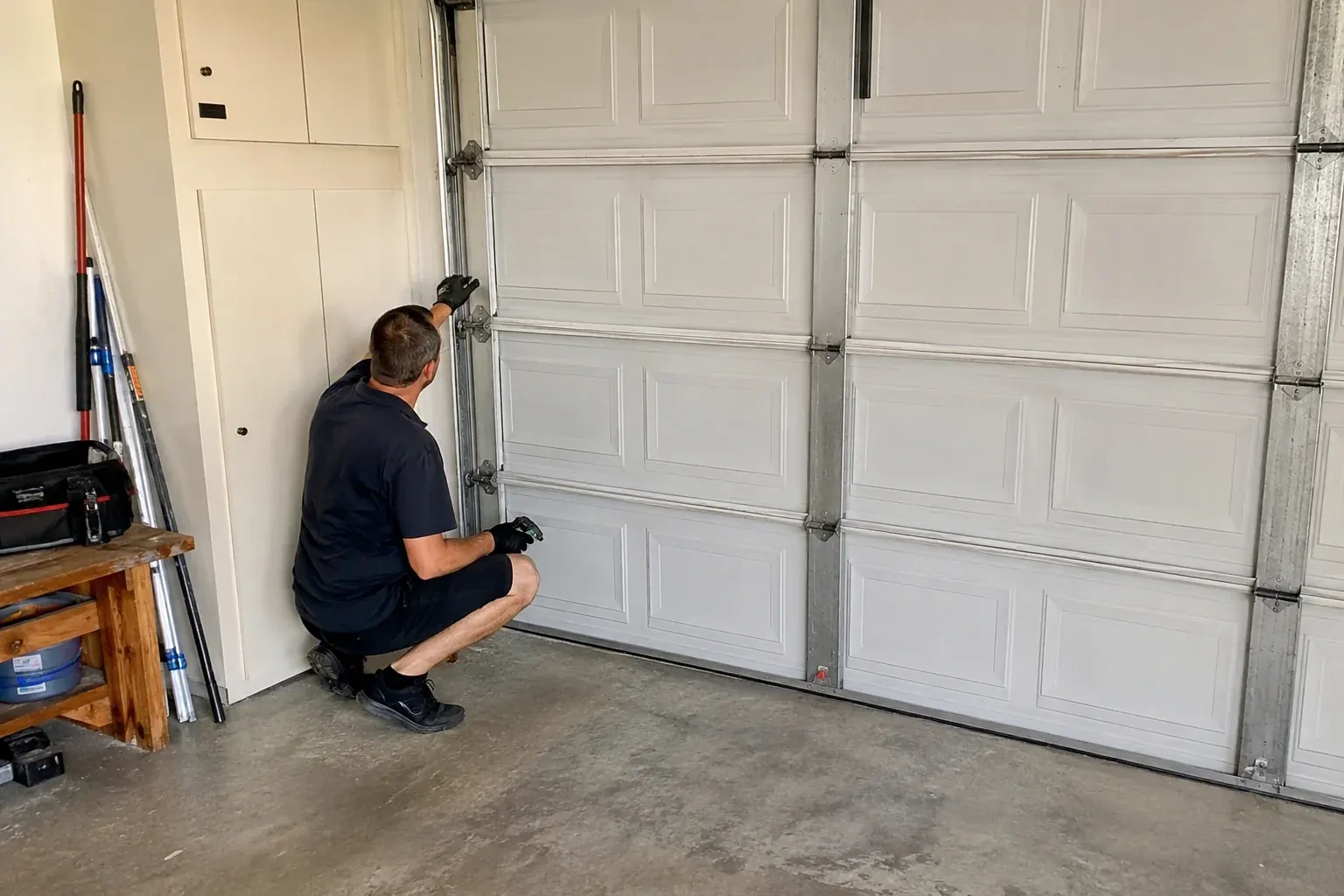
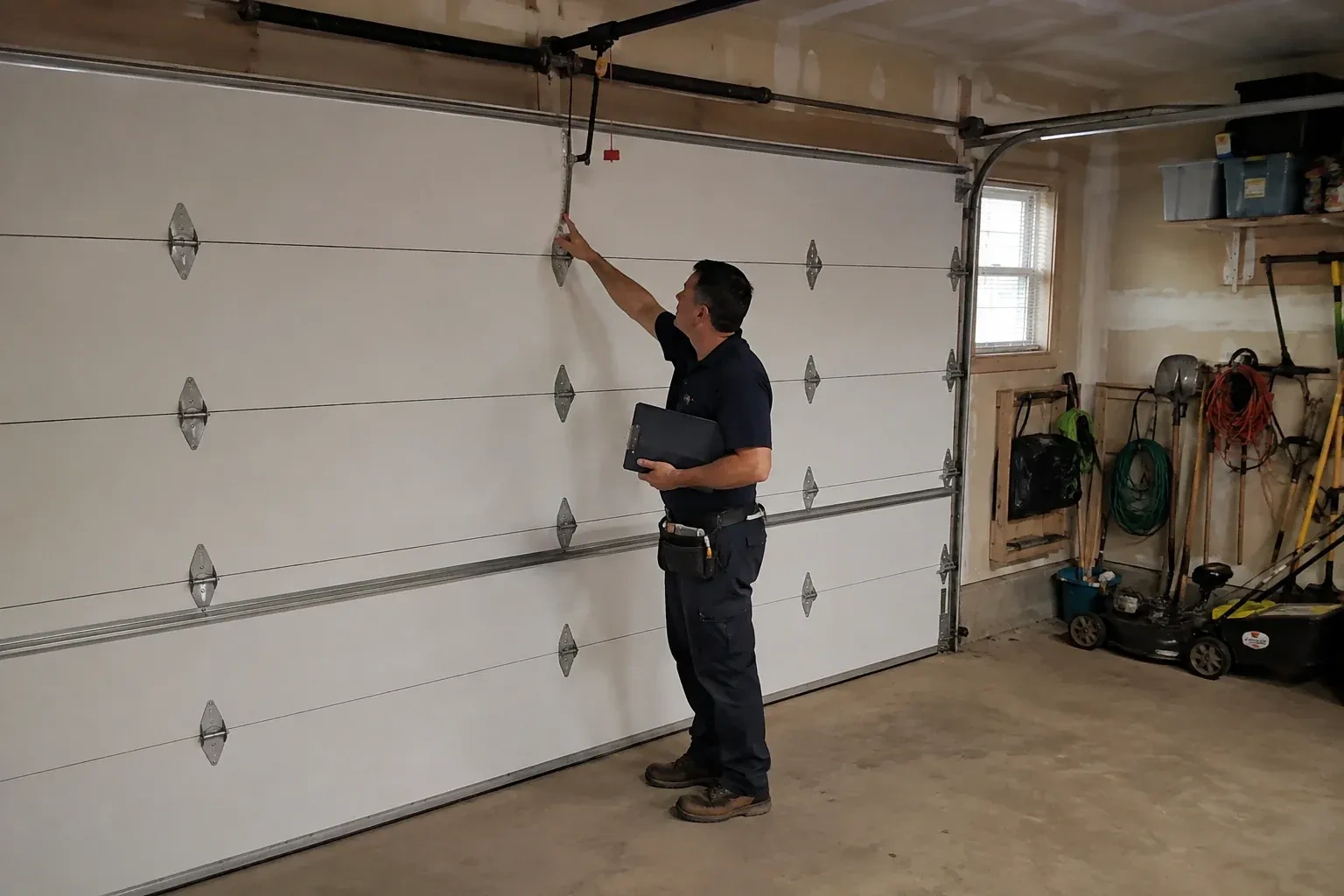
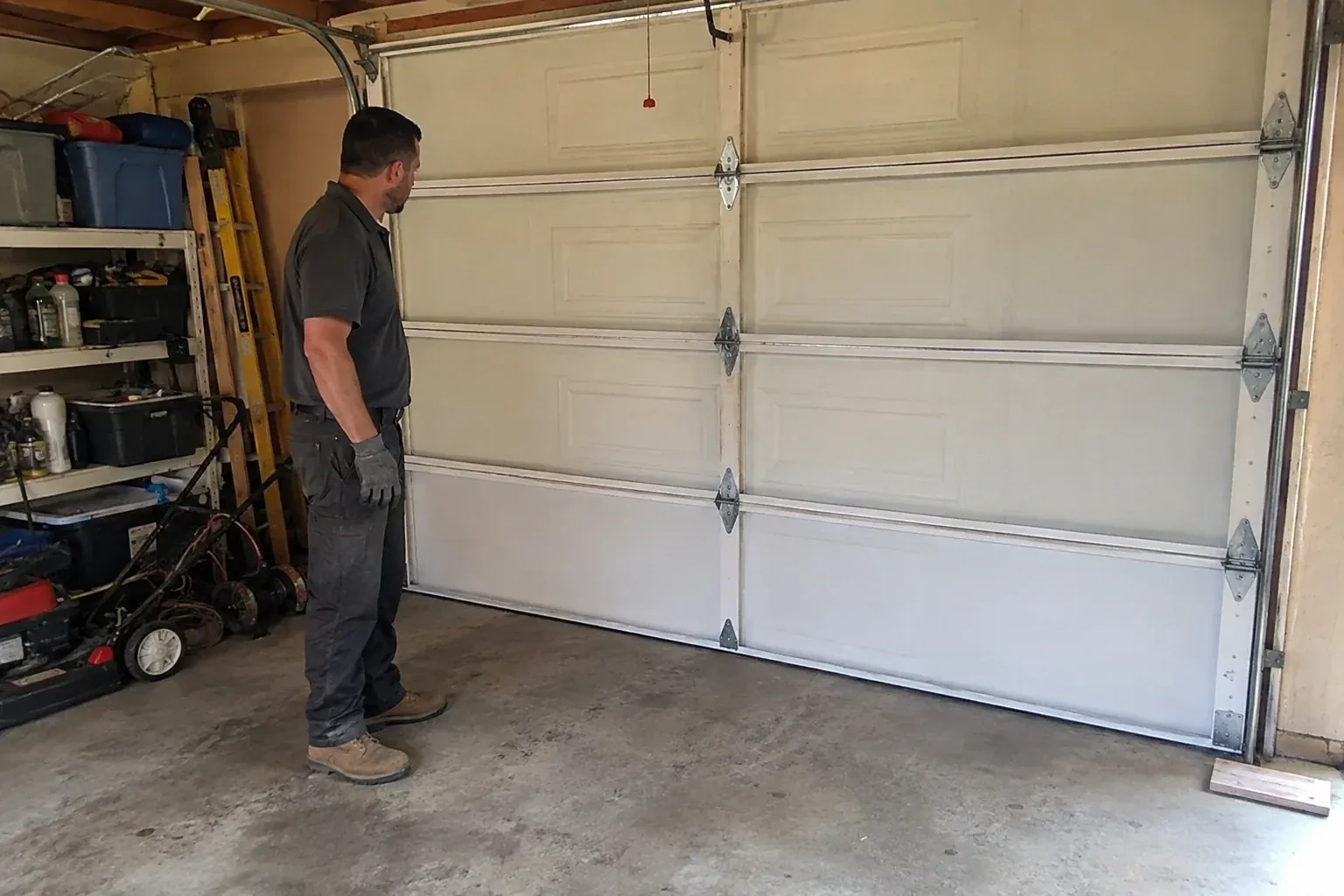
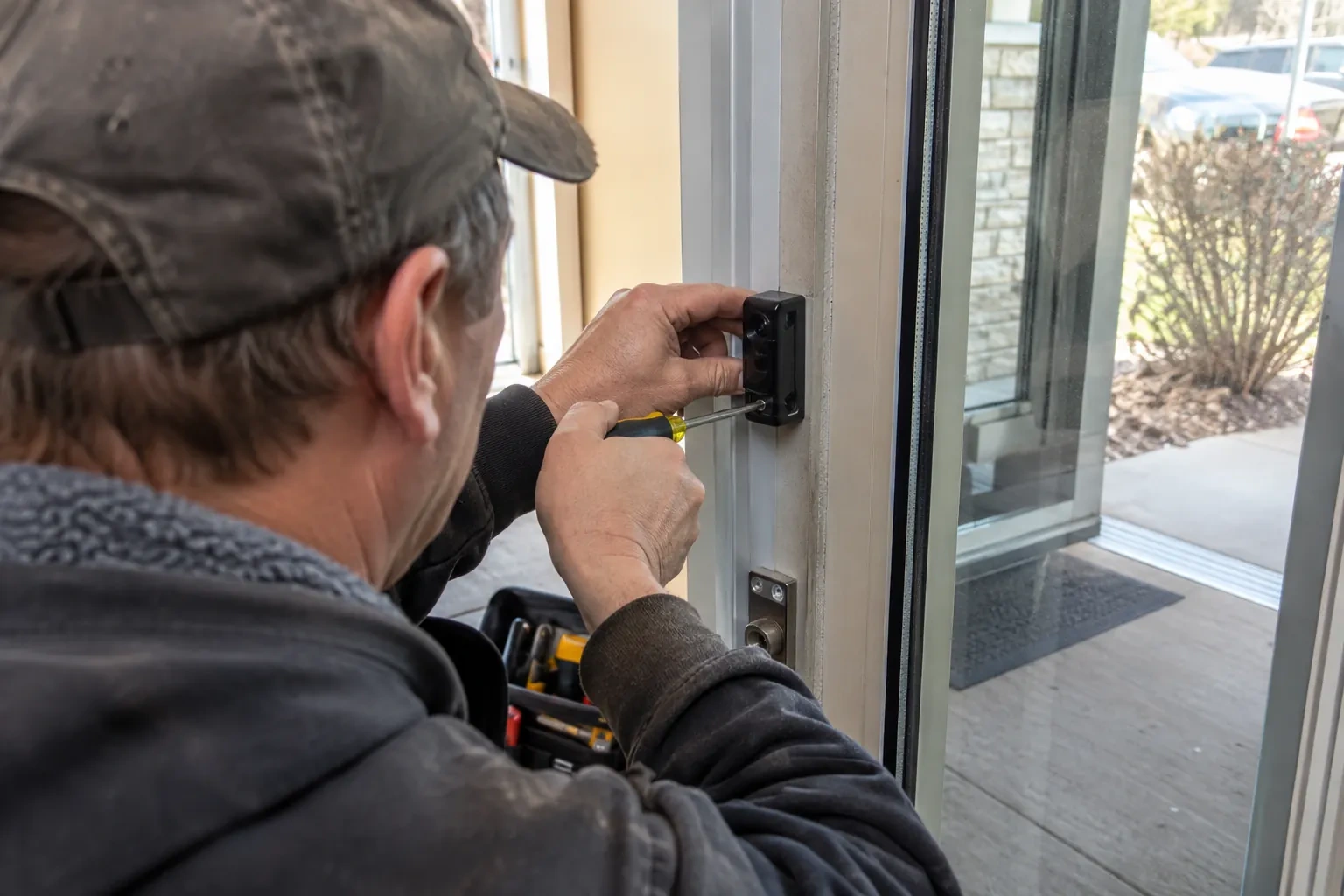
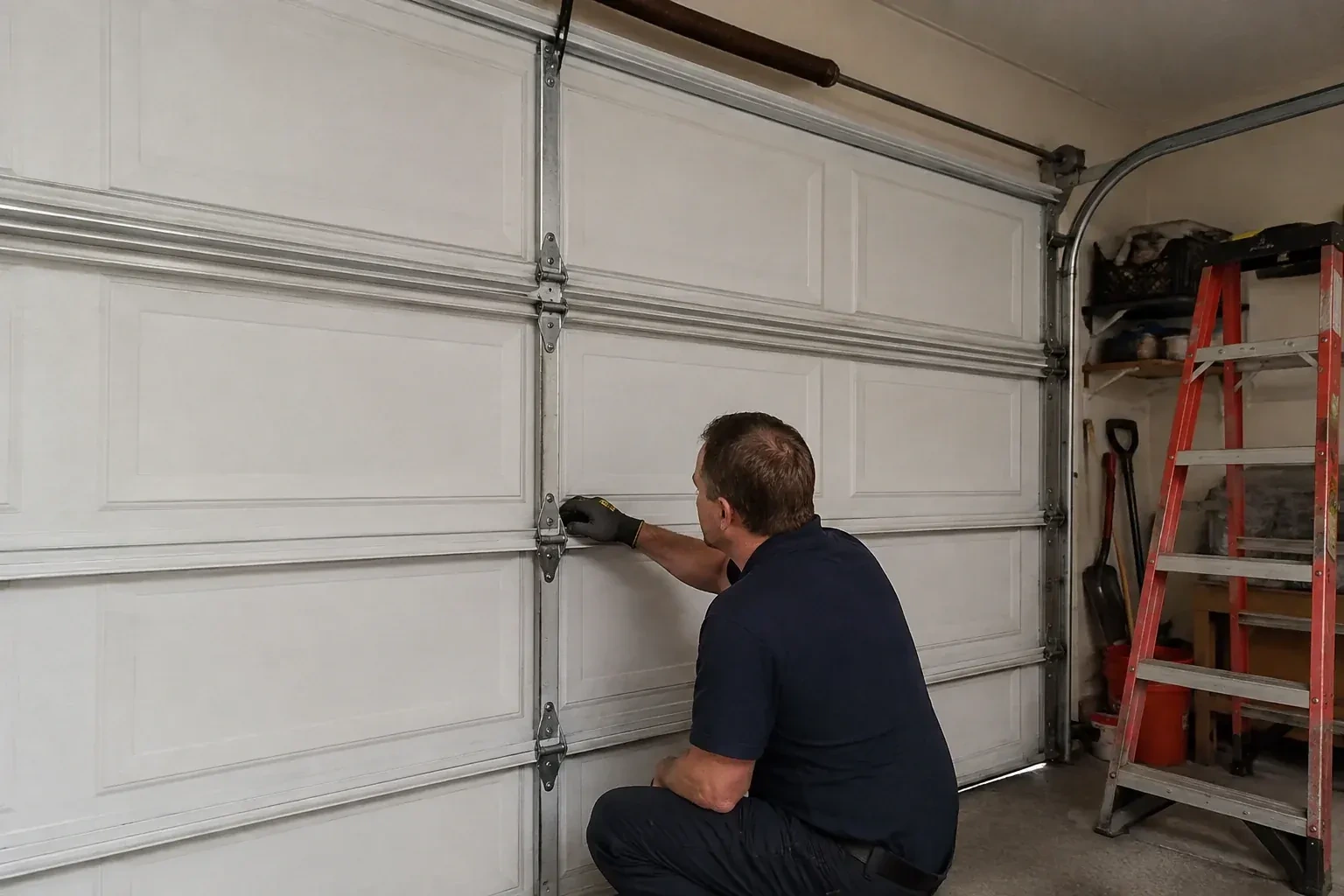
For homeowners in Walsingham, the visit begins with questions rather than tools: when did the door change, what does it sound like, does the wall button behave differently from the remote? Those answers point the technician to the right part, and the assessment that follows confirms it before any price is discussed.
A second opinion on a garage door in Walsingham is something we are happy to give. The technician looks at the door fresh, without assuming an earlier diagnosis was right or wrong, and explains what they see in plain language. Often the news is reassuring. Either way you leave the conversation with a clear picture and choices you understand.
18years in business
24/7open every day
Questions welcome. Ask why a spring broke, what a roller does, whether the opener is worth keeping. Clear answers are part of the service.
Leaving it as we found it. Vehicles moved back, packaging removed, floor cleaned. The only change you notice is a door that runs properly.
Decisions made with the facts. We show you the wear, describe the choices and their consequences, and support whichever route you pick.
Tell us about the spring, cable or opener in Walsingham.
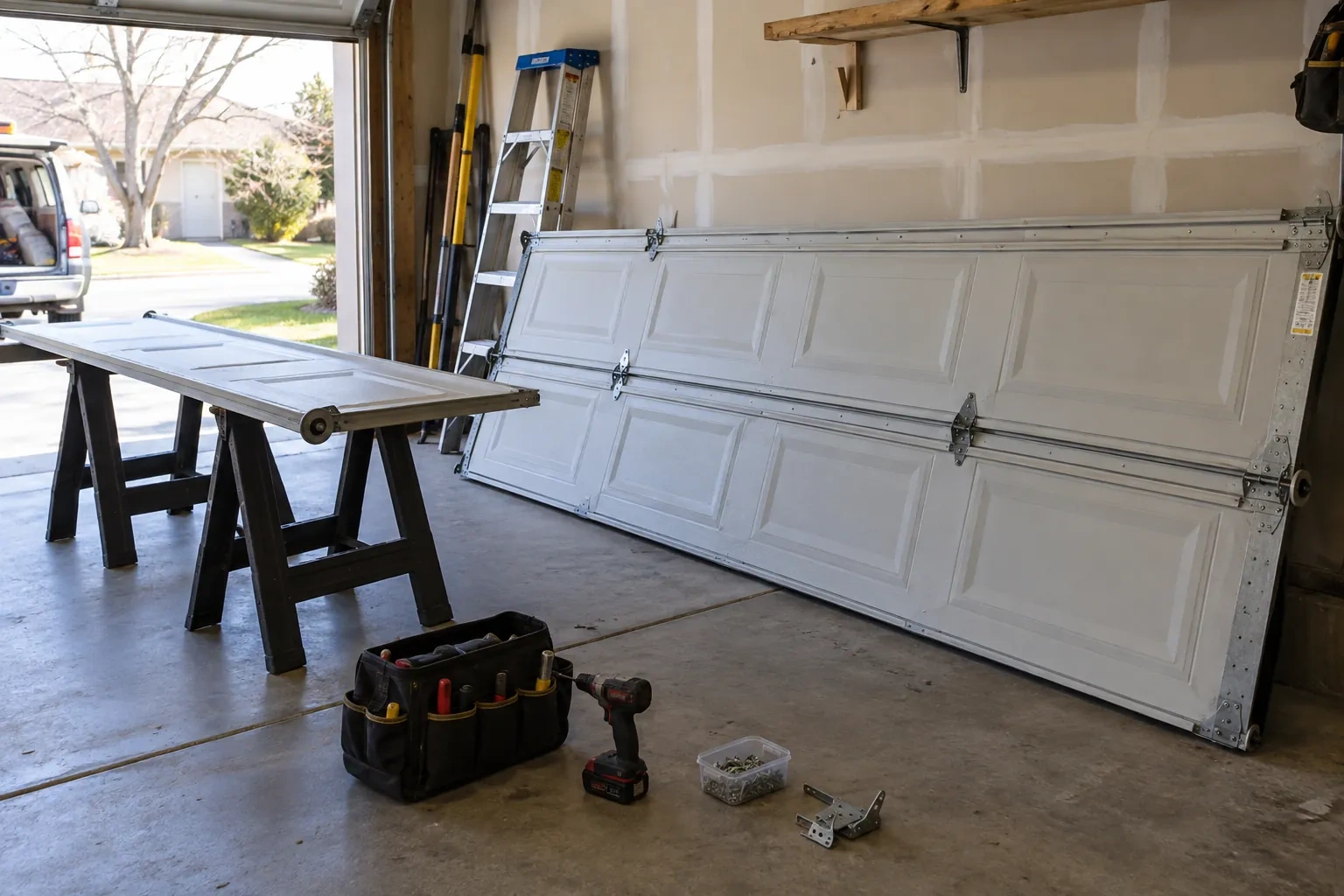
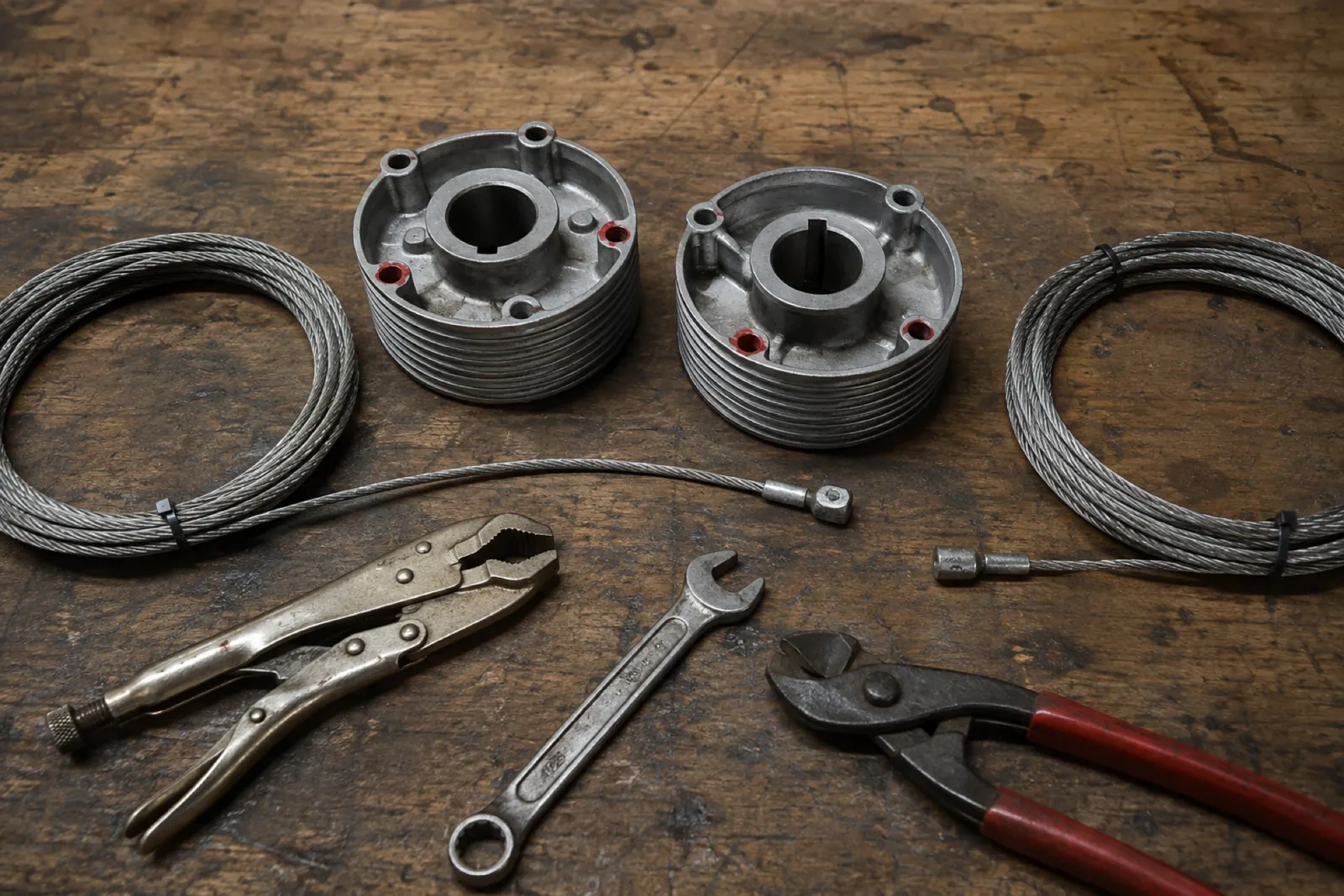
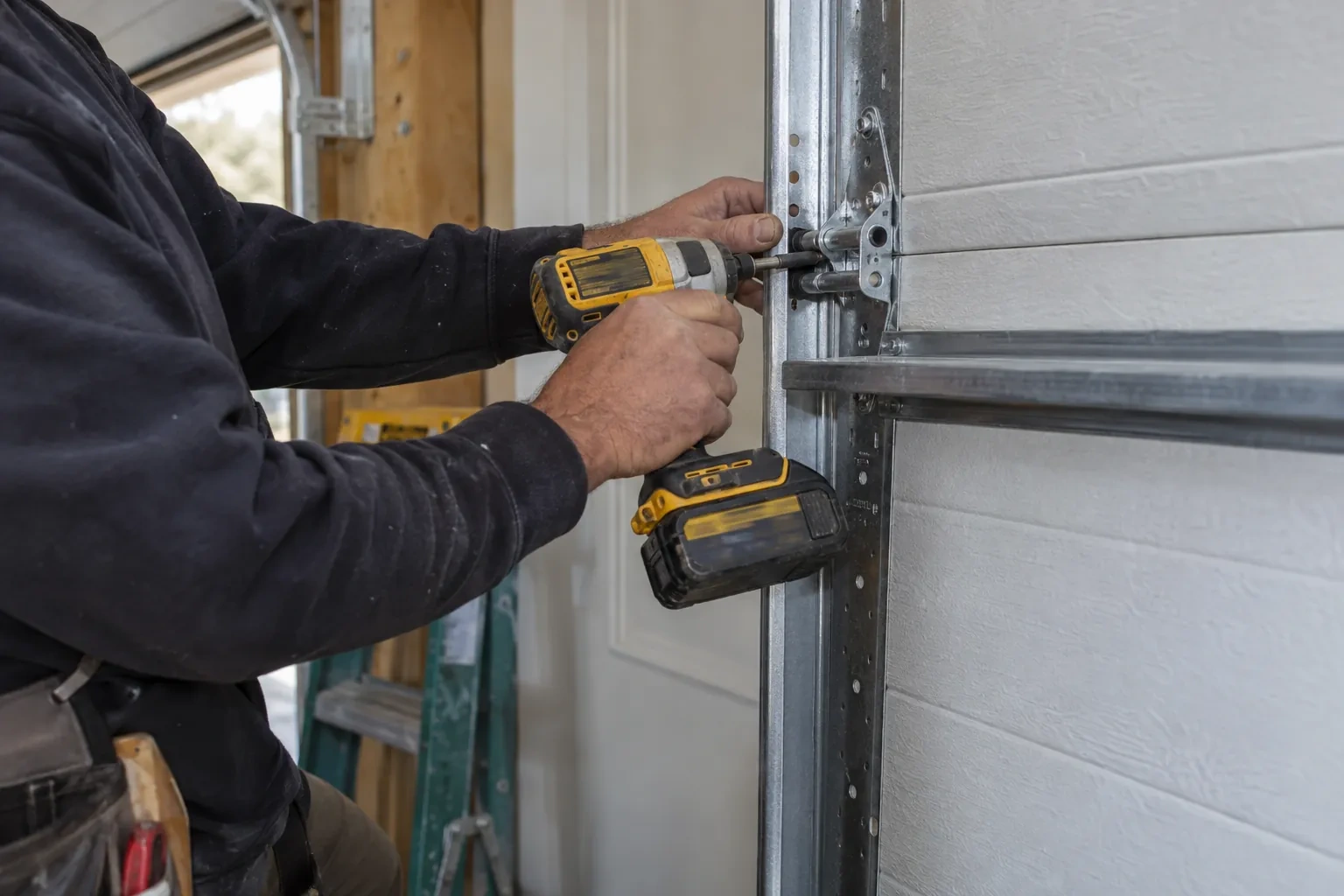
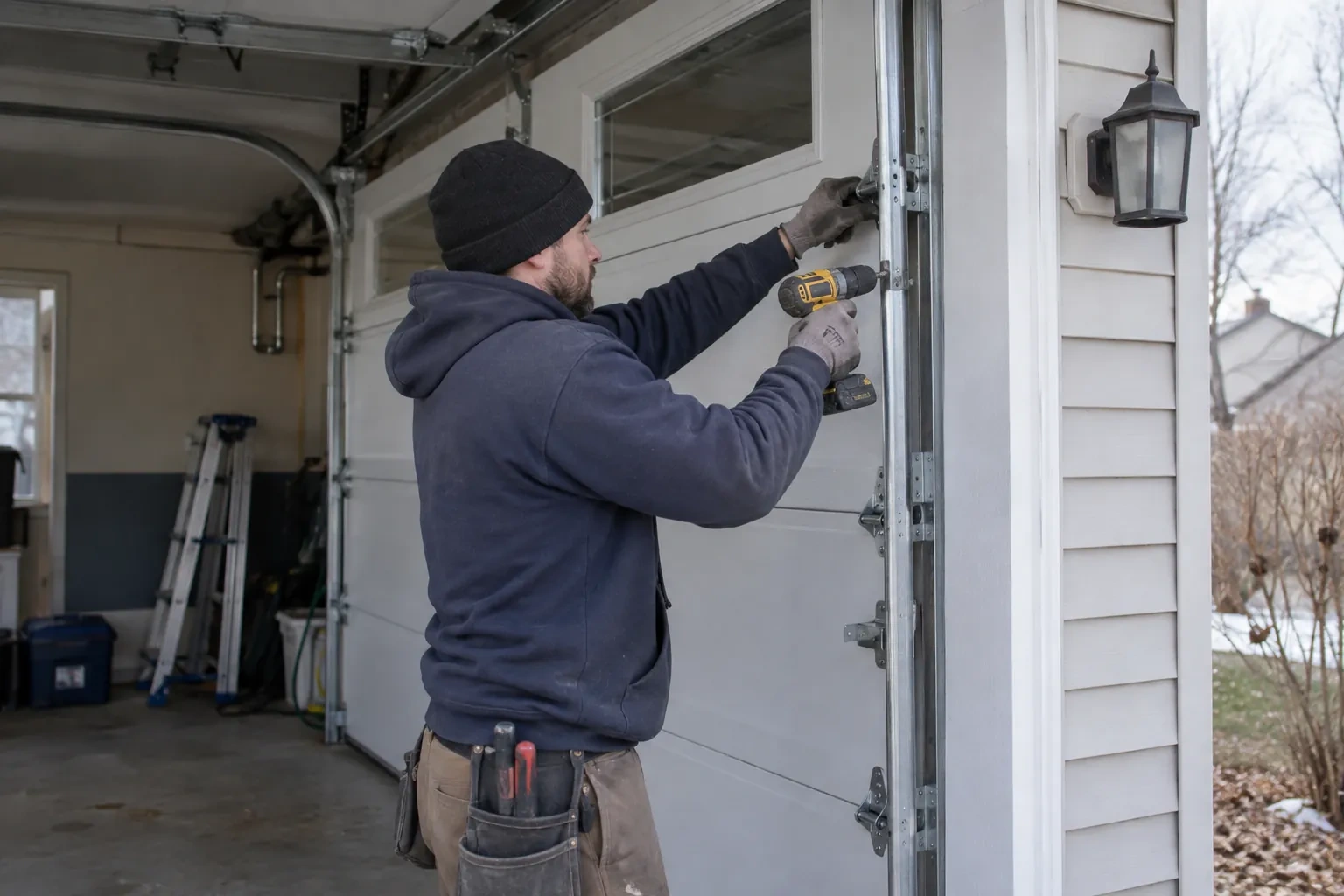
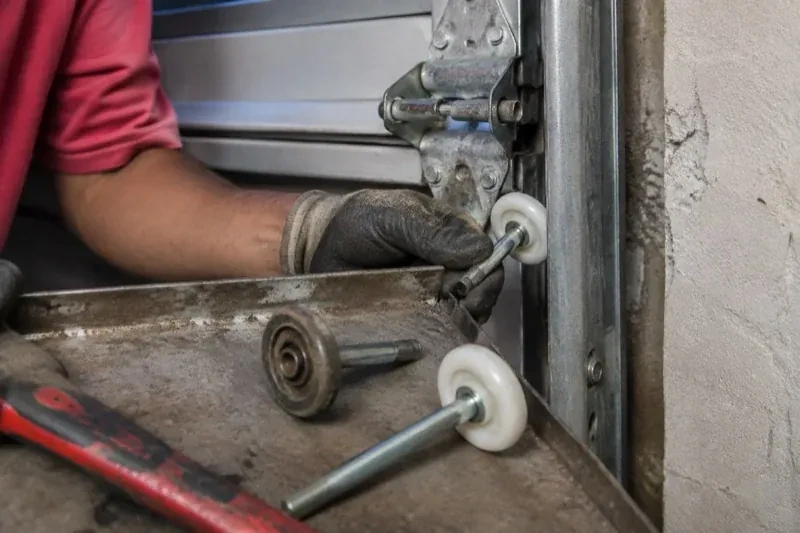
Garage door work for Walsingham divides neatly into what we fix, what we replace and what we install. We fix tracks, hinges, openers and panels; we replace springs, cables, rollers, seals and sensors; and we install new doors, new openers and access equipment such as keypads and smart controllers.
About 62% of homes in Norfolk County were built in 1980 or earlier, according to the 2021 Census.
Older homes
Decades of freeze and thaw work on the concrete apron in front of an older garage, and an uneven floor means the bottom seal meets a gap on one side. A thicker seal or an adjusted threshold closes it and keeps snow and cold air out.
Single-detached houses make up about 83% of homes in Norfolk County (2021 Census).
Mostly houses
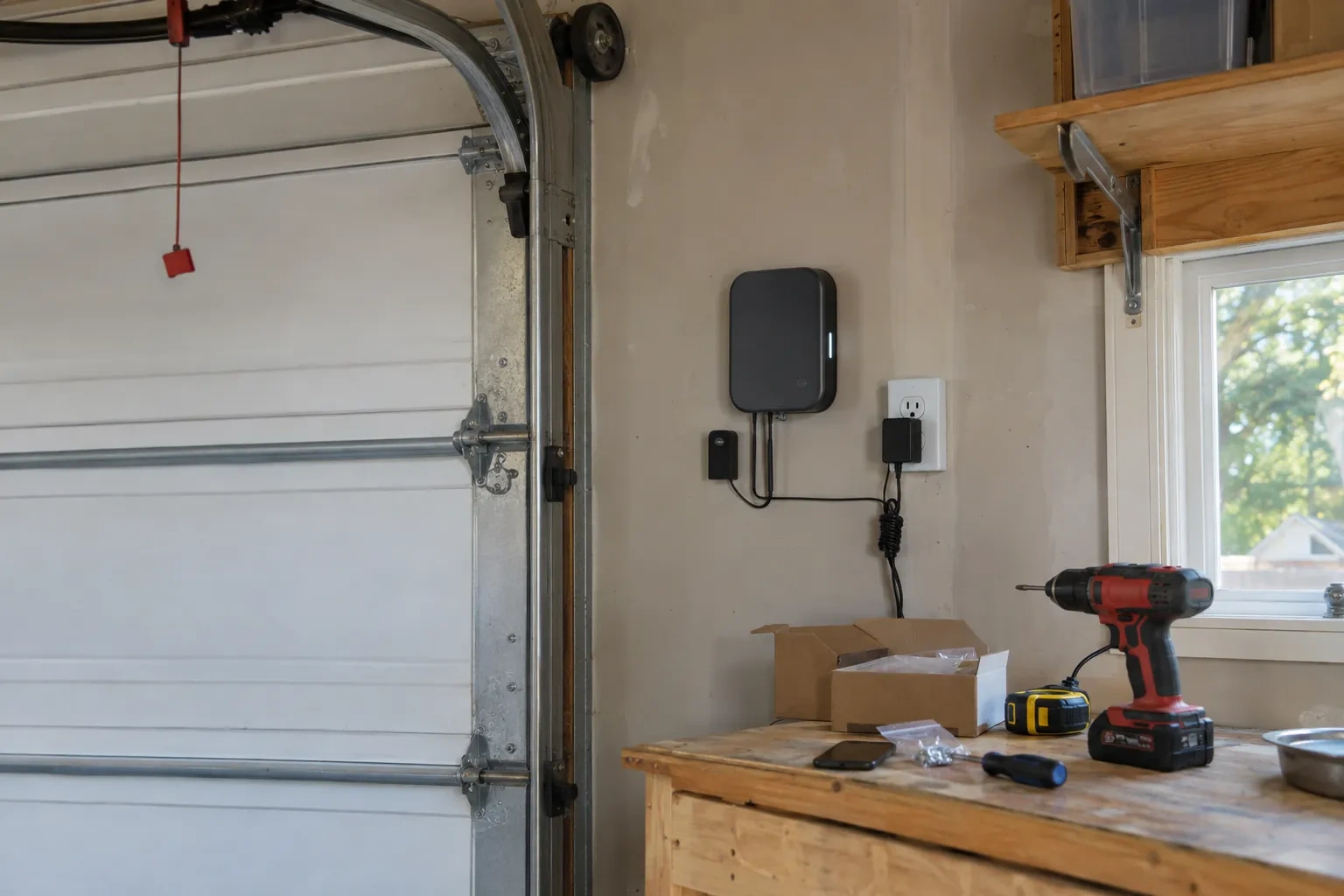
Households in detached homes often have several remotes, a keypad and a phone app between family members and their cars. We keep all of them programmed to the opener, replace the ones that have failed, and explain how to add a new one when a car changes hands.
It has been a hard winter. The bottom seal froze to the slab twice, the opener groaned each morning, and one afternoon you noticed a cable on the left side hanging with a little slack in it.
After a spring rain there is a puddle inside the door that reaches the tires. The driveway slopes toward the garage, the slab has a low corner, and the flattened old seal is not making up the difference.
The wall button works every time. The remote only works if you are practically under the door; from the end of the driveway it does nothing at all. It started around the time you changed the bulbs in the opener to LEDs.
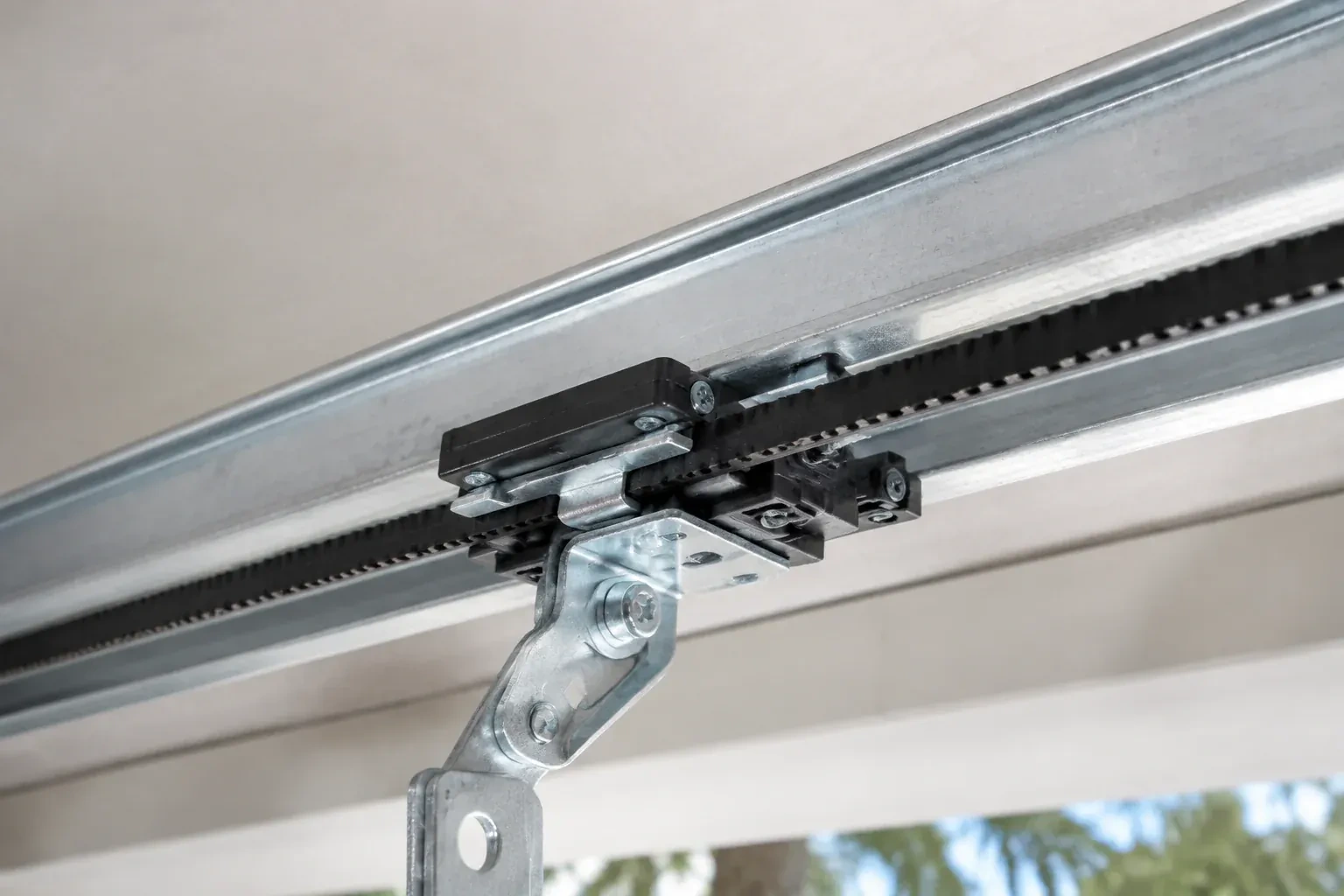
There is a new squeal from the front of the rail, up near the header, on every cycle. The belt has started tracking to one side and its edge is fuzzy where it has been rubbing.
A contractor is coming to work in the garage on Thursday while you are away. Handing over a remote means chasing it back afterwards, and the keypad code is the one your whole family uses. What you want is access that ends when the job does.
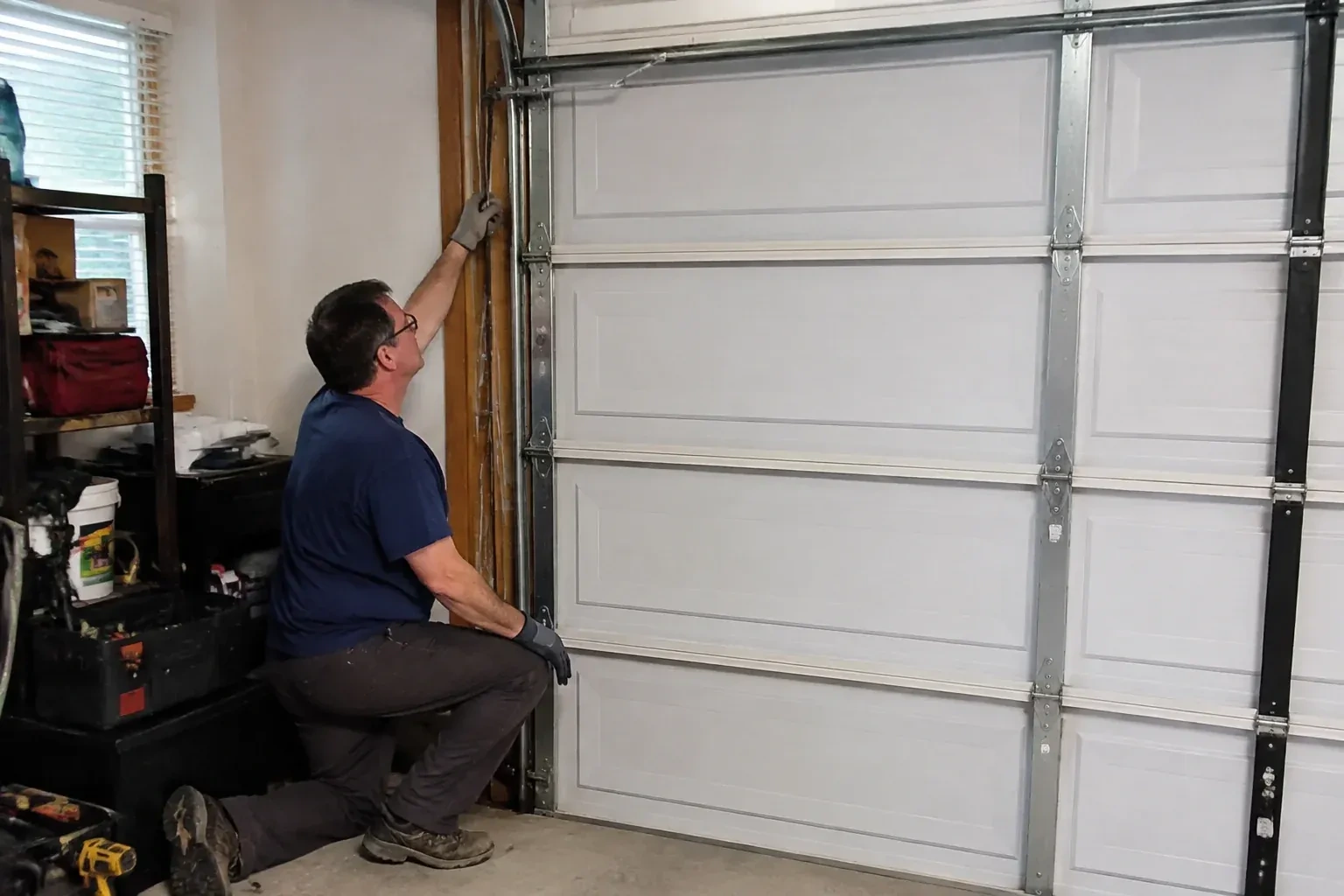
Halfway up, the door lets go of the opener with a clunk and sinks back to the floor while the trolley carries on to the top alone. It has happened three times this month, and each time the release lever is found half-cocked.
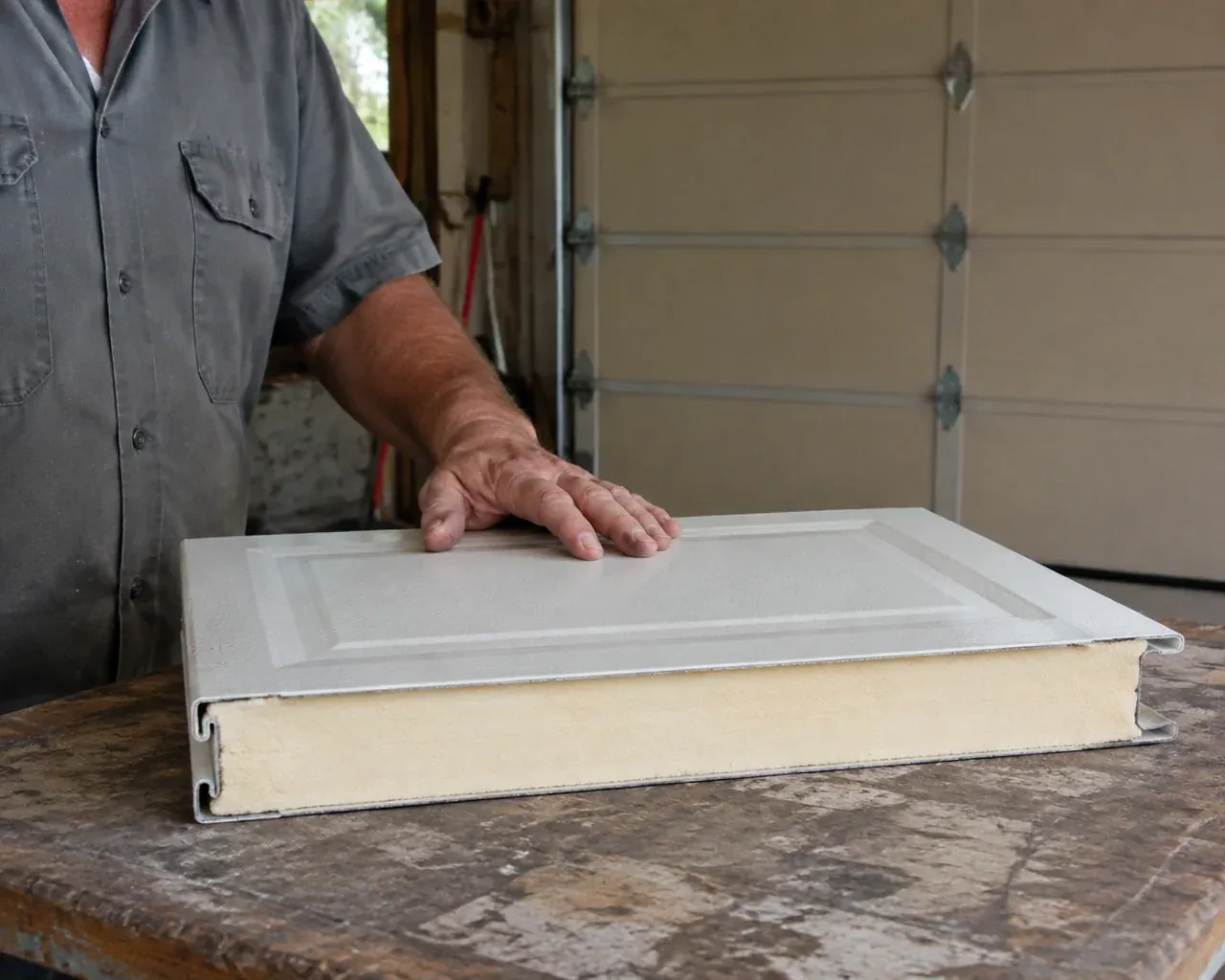
Your renovation drawings call for a garage door with a stated design pressure, yet the existing door has no readable label or installation record. The replacement now needs to match the opening and the project documents.
The front elevation calls for a garage door that belongs with the windows, masonry and trim. Panel design, colour, glazing and hardware all need to come together in one working overhead system.
The loading-bay door rises with one side several centimetres lower than the other. A lift cable looks slack, the bottom section sits crooked, and staff have stopped using the opening until the door can travel level again.
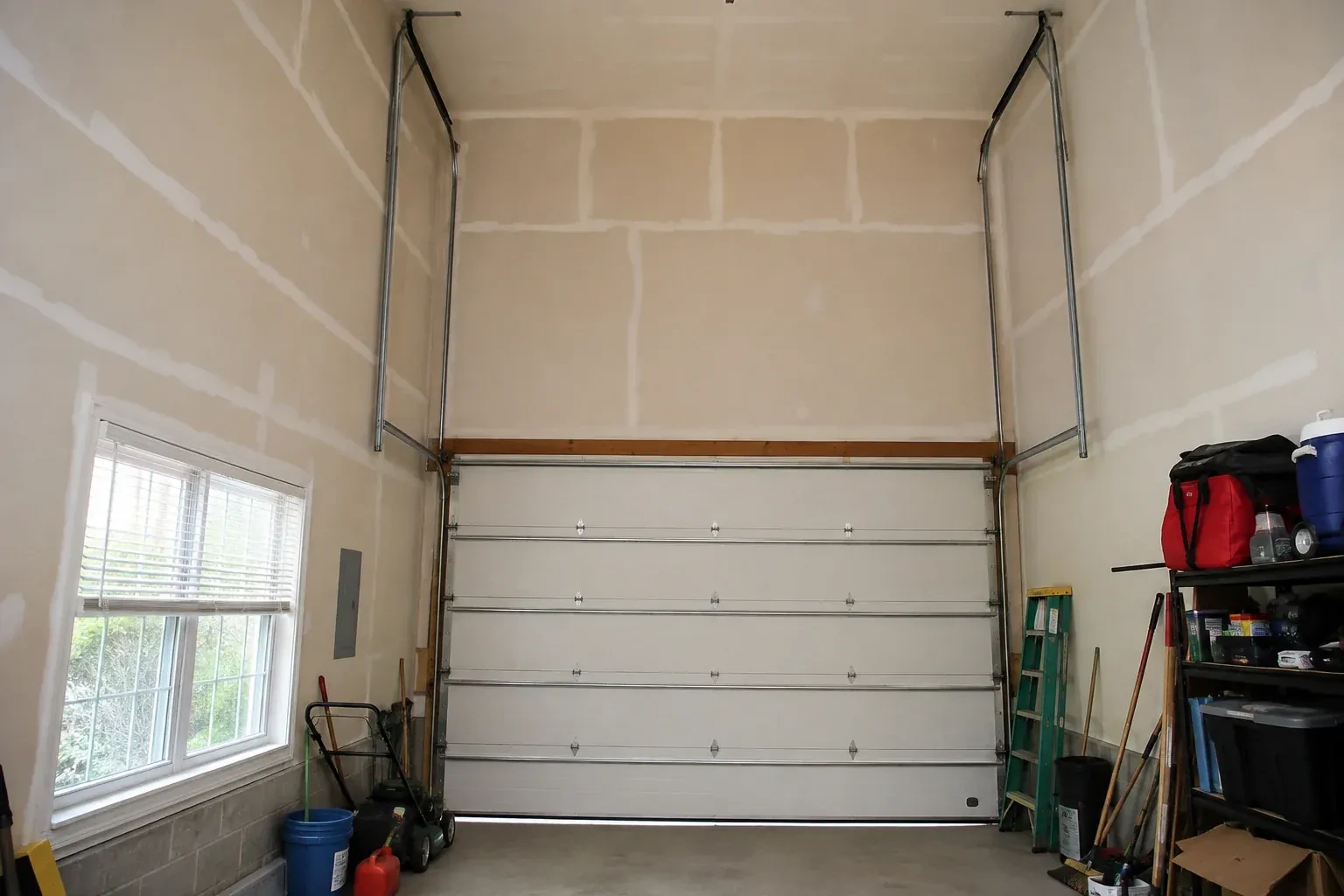
A taller van clears the closed opening comfortably, then loses useful space when the door is raised because the bottom section hangs below the ceiling. The issue is the open position rather than the doorway height.
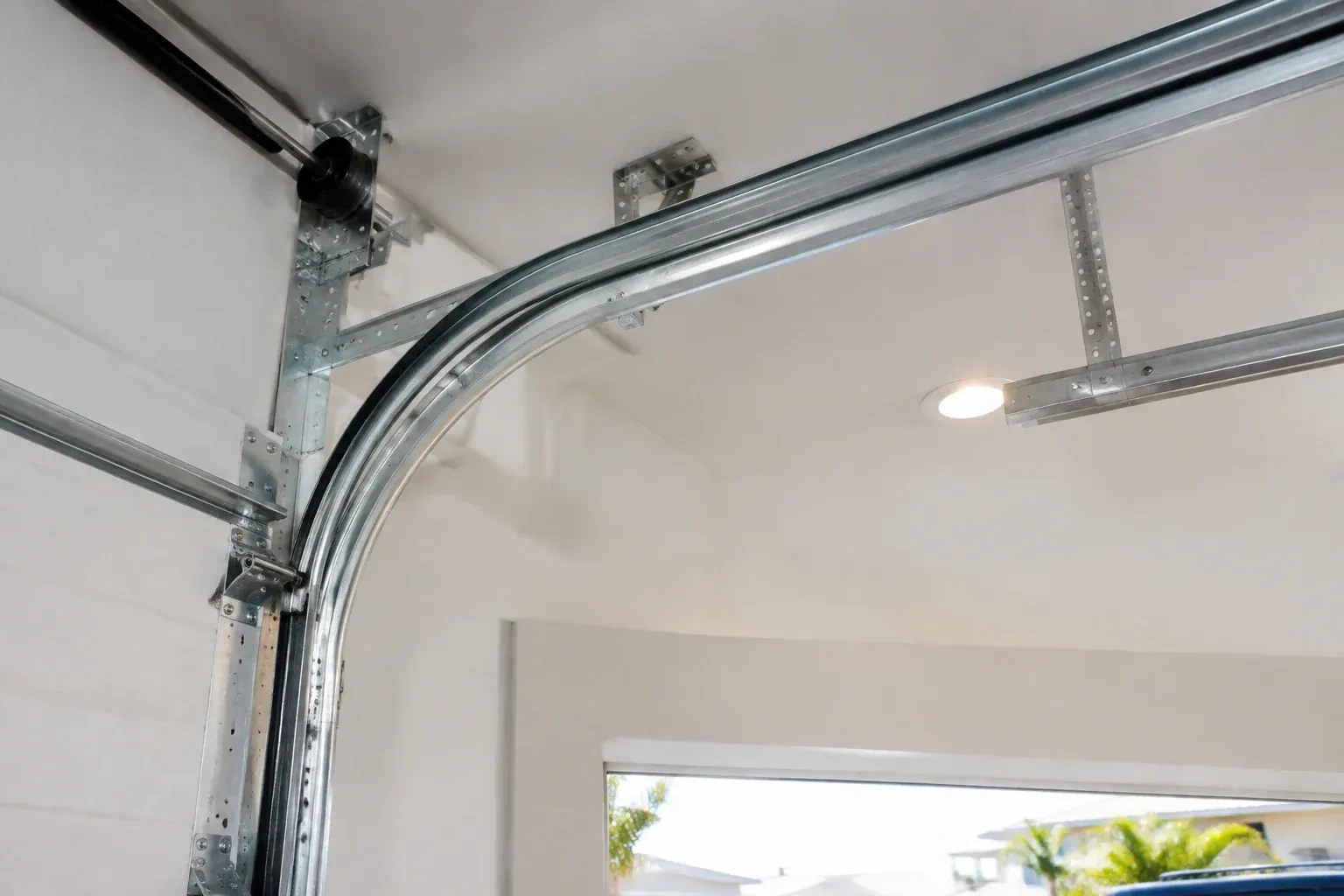
Outfitting a garage for a car lift, a boat or a tall van means a taller door or a high-lifttrack. We assess the headroom and the ceiling, and we install the door and hardware that make the space work.
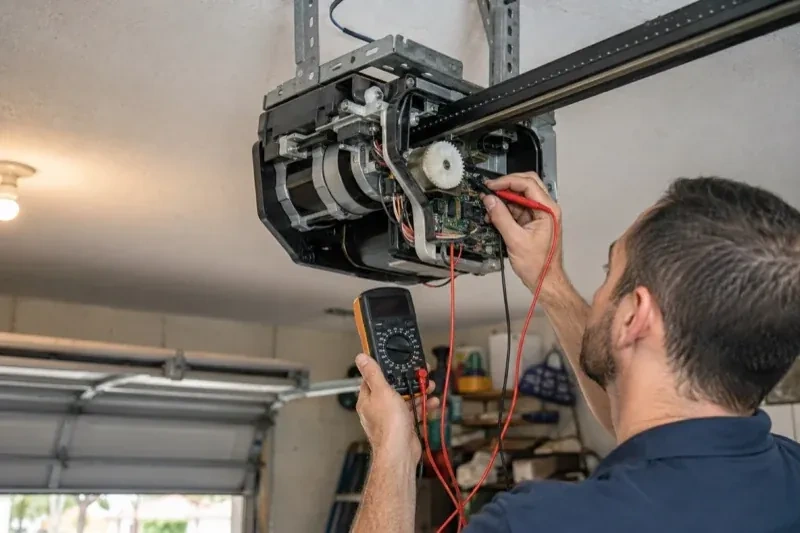
Halfway up, every single time, the door hesitates and there is a ratcheting sound from the motor head, then it carries on. A closer look shows a stretch of the belt where the teeth are worn almost flat.
The bedroom above the garage shakes every morning at six when the chain drive fires up. Everyone in the house knows the moment someone leaves for work.
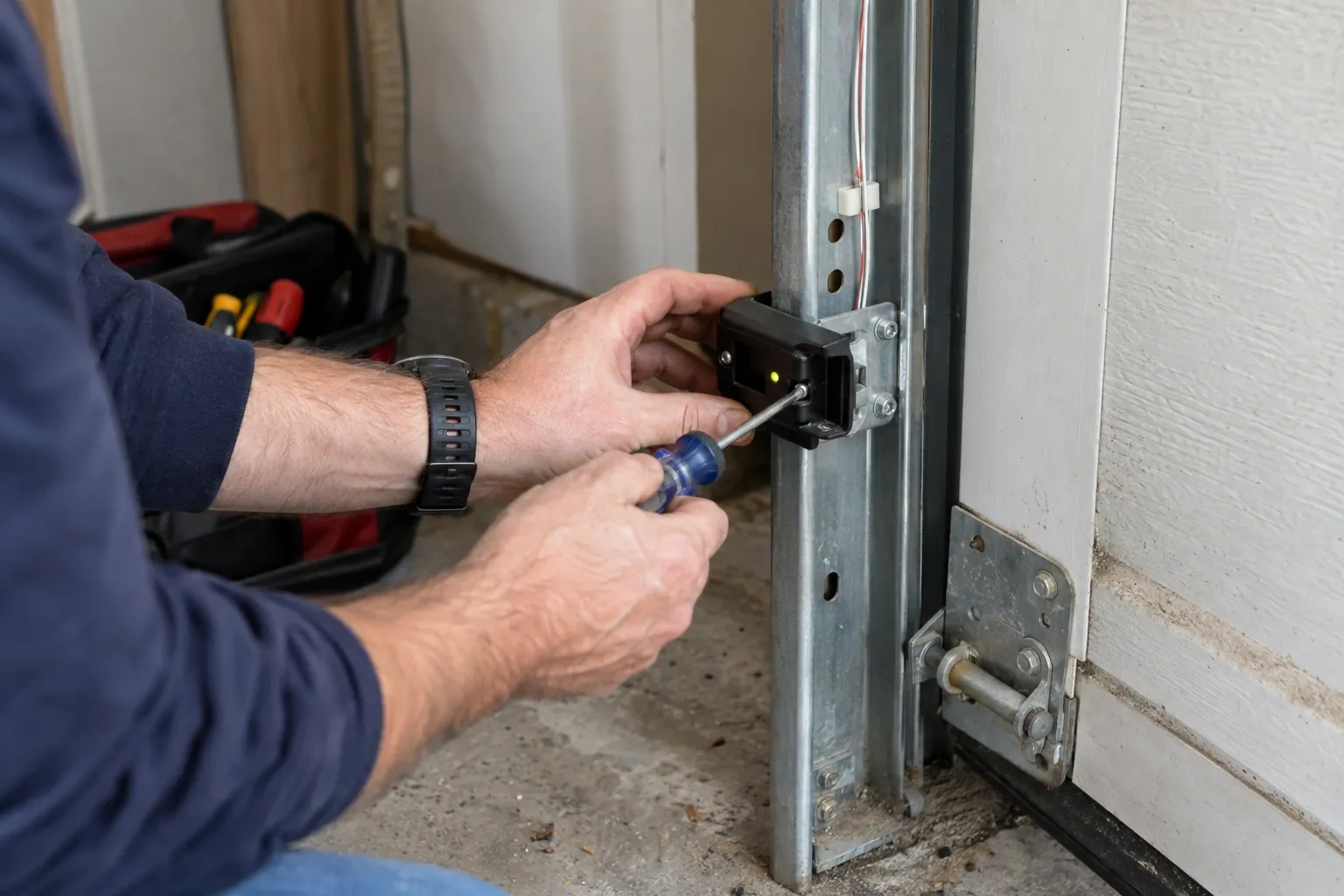
After a cold night the door stays open until the garage warms up. There is frost on the sensor lenses and a ridge of salty slush piled against the brackets where the snow blower was parked.
The new car has three buttons in the mirror for garage doors. You held the old remote up to it as the manual said, the light in the car changed, and yet the door ignores it completely.
Halfway up, the door lets go of the opener with a clunk and sinks back to the floor while the trolley carries on to the top alone. It has happened three times this month, and each time the release lever is found half-cocked.
WhyHigh-lift and vertical-lift doors need repair methods suited to their track geometry.
A taller van clears the closed opening comfortably, then loses useful space when the door is raised because the bottom section hangs below the ceiling.
Yes, plainly and at the door. A slack or frayed cable, a gap in a spring coil, a door hanging crooked, a bracket pulling out of the framing or an opener that fails the reversal test are the kinds of findings that put an item in the stop-use group. When that happens you see the reason yourself, the door is left resting in a safe spot with the opener unhooked, and the fix is written up and quoted so it can be booked.
Is this something I can do myself?
Many homeowners do, and a technician's value lies in the parts that go wrong: identifying the exact profile so the seal seats, freeing a strip that has fused into its channel, spotting a retainer or door-level problem behind the gap, and resetting the opener's limit and force so the door lands gently and still reverses on an obstruction. If you would rather have it measured, fitted and tested in one go, that is what the visit is for.
Should I lubricate the chain, the rail or the track?
Rollers, hinges, bearings and springs benefit from a garage door lubricant once or twice a year. The chain, belt or screw-drive rail is a separate question, since each drive type calls for its own product and schedule from the opener's manual rather than one rule for every unit. The track itself should stay clean and dry, because lubricant there collects grit and makes rollers slide instead of turning. The technician can point out the spots on your door at the end of the visit.
The motor runs but the door stays still. What has happened?
Something between the motor and the door has let go. On a belt drive the usual suspects are a broken clip where the belt joins the trolley, a belt that has jumped off the sprocket or idler pulley, a trolley that failed to re-engage after the red cord was pulled, or a stripped drive gear inside the motor head, which leaves plastic shavings on the housing. Each is a specific repair.
Is my garage less secure with a phone controlling it?
Done properly, no. Some hubs pair with the opener as a radio transmitter over the same rolling-code system as your remotes; others connect directly to the wall-control terminals with no such radio link. Either way, the account is protected by a chosen password and two-step verification where offered. The main risk is a shared or reused password, so the account gets its own and the user list is reviewed now and then.
I pulled the release and the door was very heavy. Is the release broken?
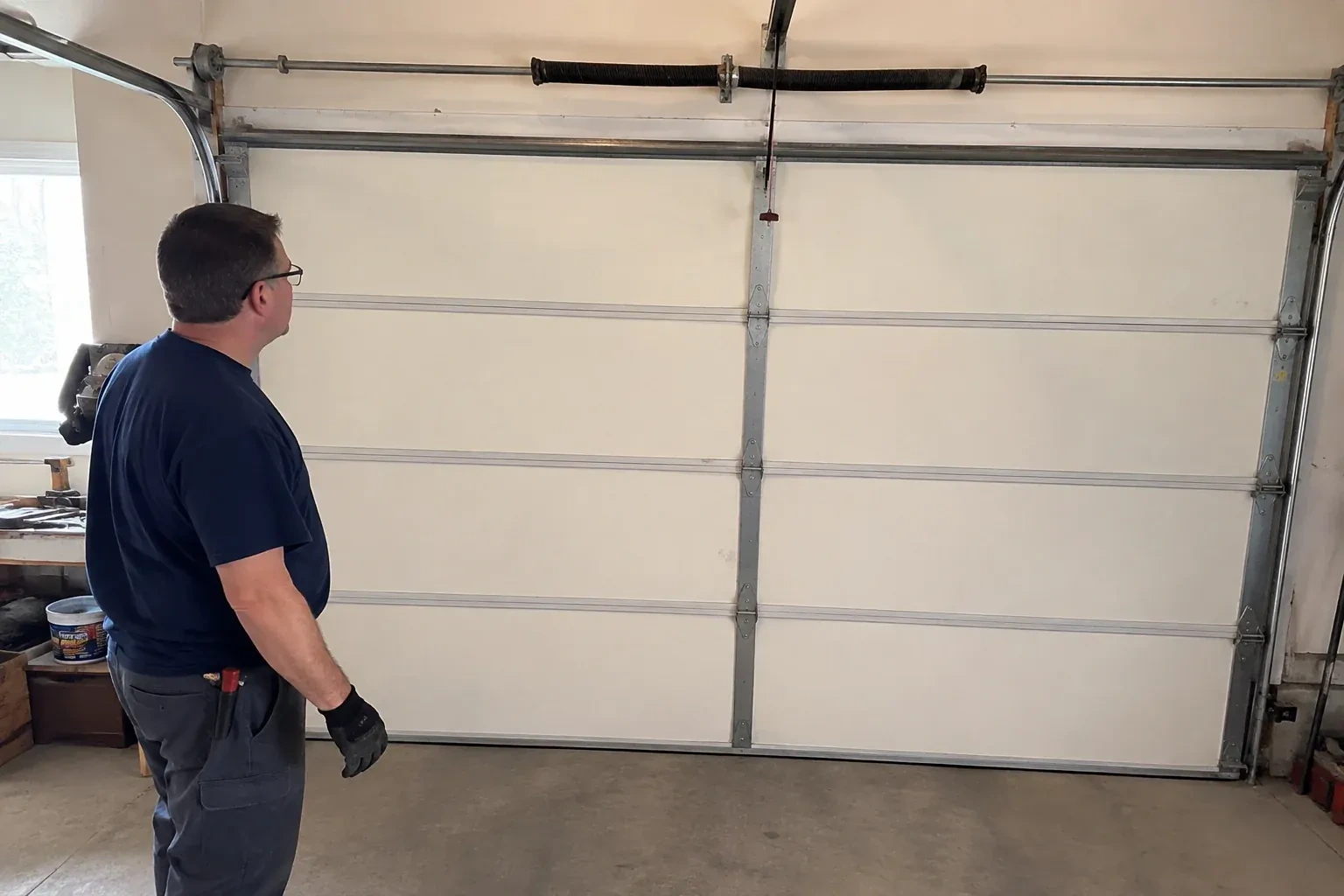
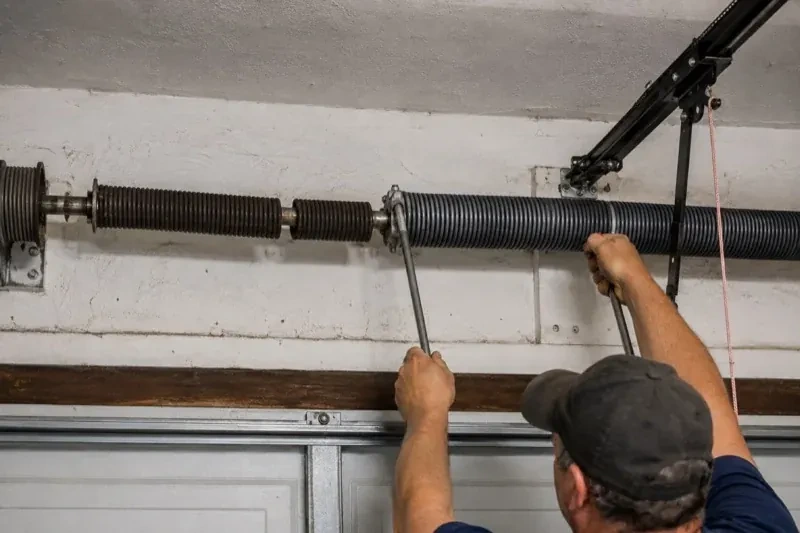
The release did its job; the weight is the door telling you its springs are no longer carrying it. A balanced door lifts with modest effort and holds still at about a metre. A heavy one needs the counterbalance looked at, which is work with winding bars for a technician trained for tensioned hardware. During the visit the door side is corrected first, then the release is put back into use on a door that lifts as it should.
Can my existing garage door opener stay?
That depends on its condition, compatibility, rail geometry, mounting, and ability to operate the balanced replacement. The opener is assessed after the new door weight and reinforcement arrangement are known. If it remains suitable, it is connected through the specified operator bracket, then its limits, force settings, sensors, manual release, and reversal response are reset and tested.
What happens if the opening dimensions change during the build?
The revised finished width, height and surrounding clearances are measured and compared with the selected door package. A small framing change can affect section size, track position, seals or spring specification, so compatibility is confirmed before installation proceeds. The responsible project party decides how the building work is corrected or the selection is revised. Recording the accepted dimensions gives the builder, supplier and installer one shared basis for the next step.
Can bent track be straightened or must it be replaced?
That depends on the location and degree of deformation. A minor change in an accessible straight section may be corrected while restoring spacing and support. A sharply creased rail, damaged curve, opened seam or track that can no longer hold the roller securely usually calls for a compatible replacement. Brackets, anchors and adjoining track are checked either way.
Can a high-lift conversion create room for a vehicle lift?
That is a common reason to consider one. The assessment uses the lift's raised height, the vehicle profile and working clearance to define the needed zone. The proposed door path is then measured against that zone, including the lowest section in the open position. Final feasibility depends on available wall height, ceiling conditions, structure and equipment placement.
Request a visit
For homeowners in Walsingham, the visit begins with questions rather than tools: when did the door change, what does it sound like, does the wall button behave differently from the remote? Those answers point the technician to the right part, and the assessment that follows confirms it before any price is discussed.