Garage Doors in St. Williams, OntarioButton, keypador phone.
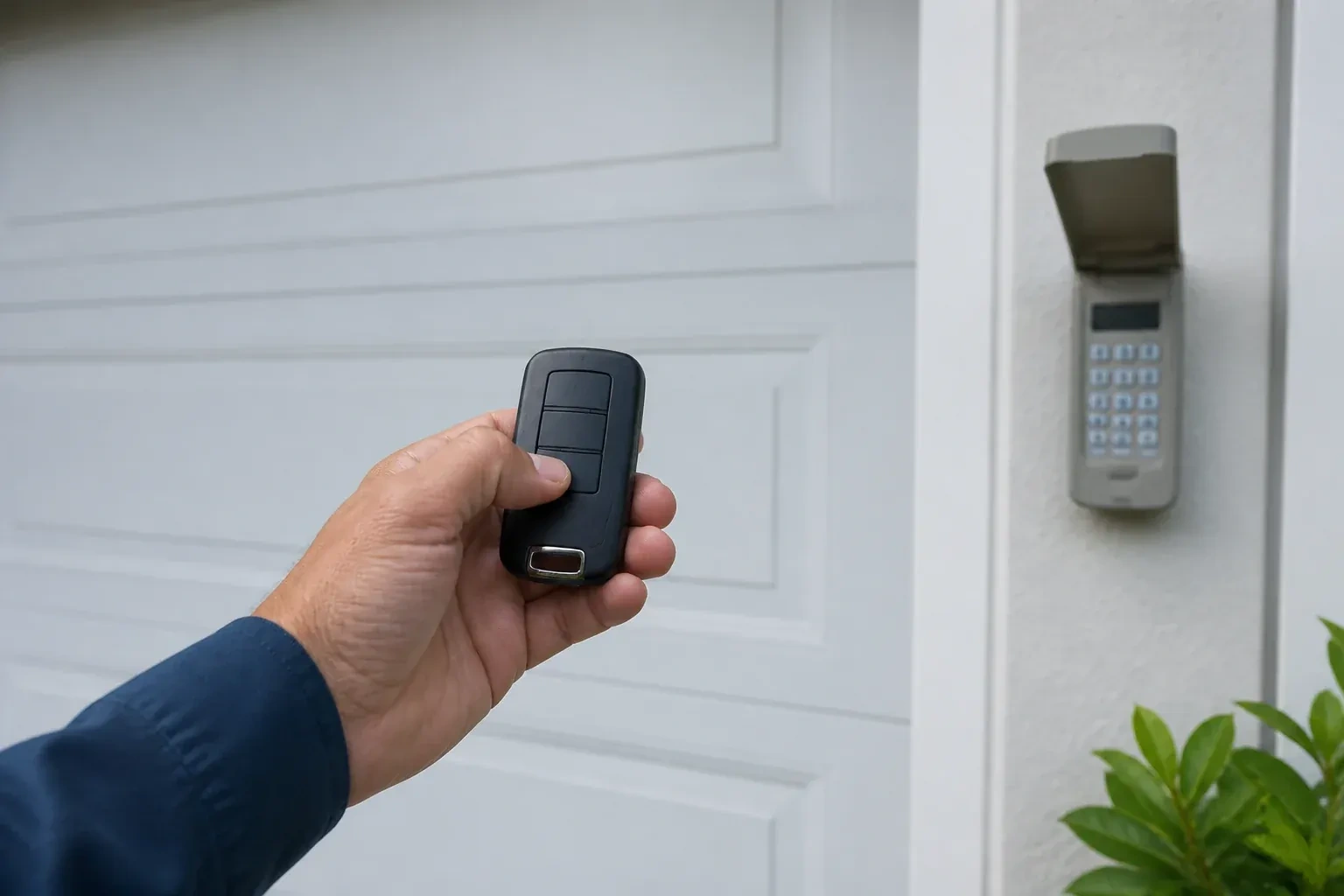
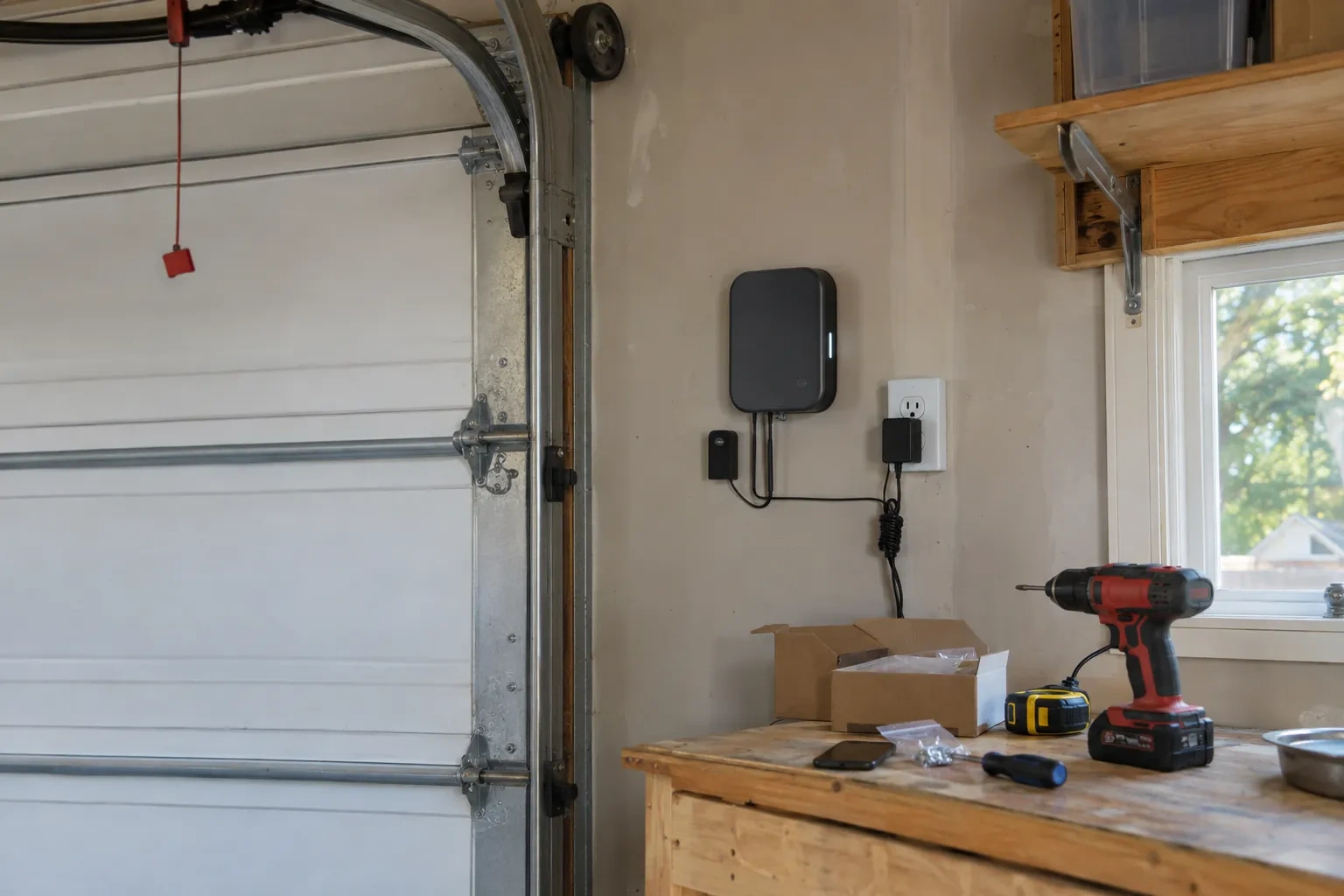
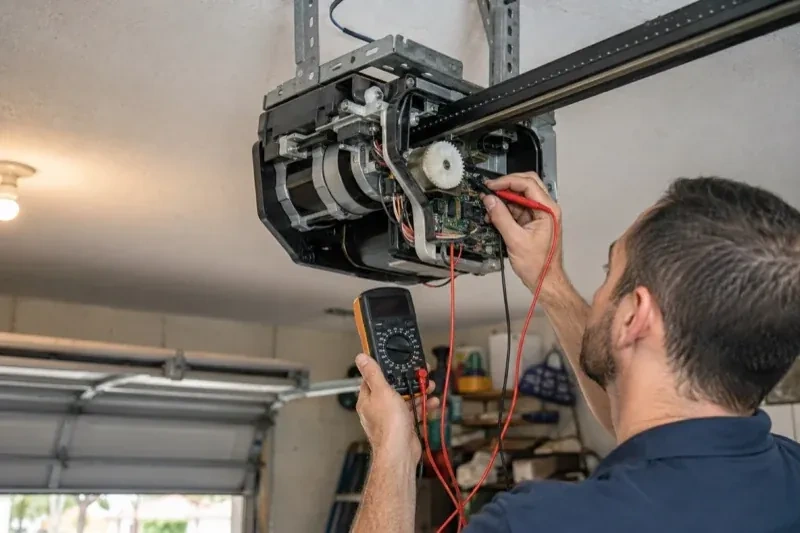
Some households in St. Williams want a keypad by the door for the kids, a second remote for the other car, and an app that says whether the door was left open. We set up each of those, walk you through them, and leave the paperwork so the next person can follow it too. Nearby, we also work in Forestville and Ungers Corner.
Some households in St. Williams want a keypad by the door for the kids, a second remote for the other car, and an app that says whether the door was left open. We set up each of those, walk you through them, and leave the paperwork so the next person can follow it too. Nearby, we also work in Forestville and Ungers Corner.
The biggest door in the house, done right.
People in St. Williams tend to remember two things about a visit from us: the technician showed them the worn part rather than just naming it, and the number he gave on site was the number on the invoice. That is how every job runs, from a single roller to a full new door.
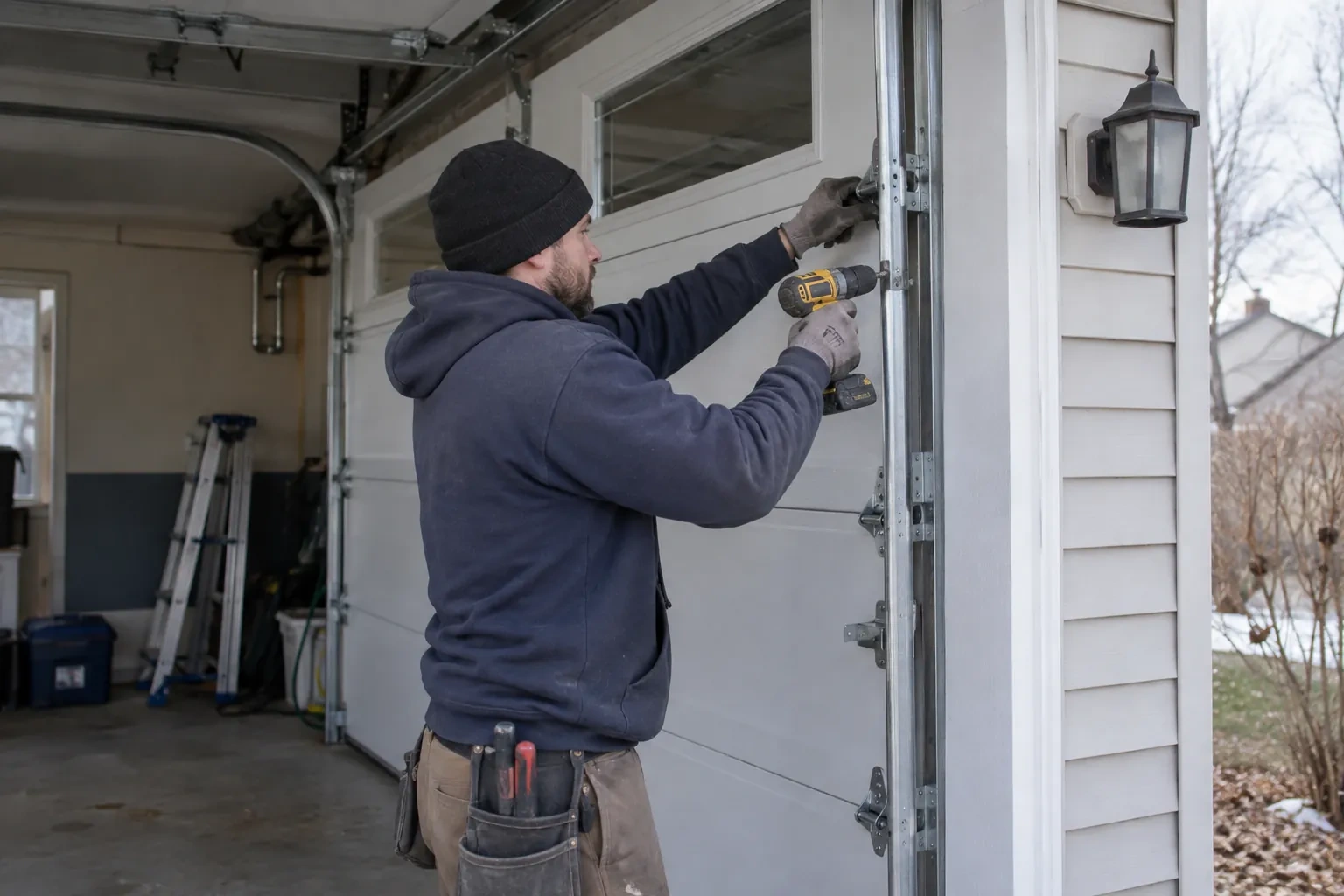
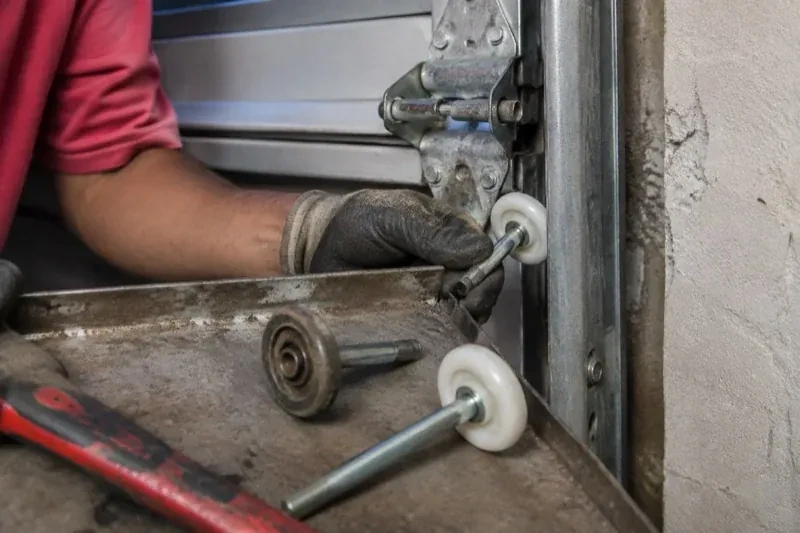
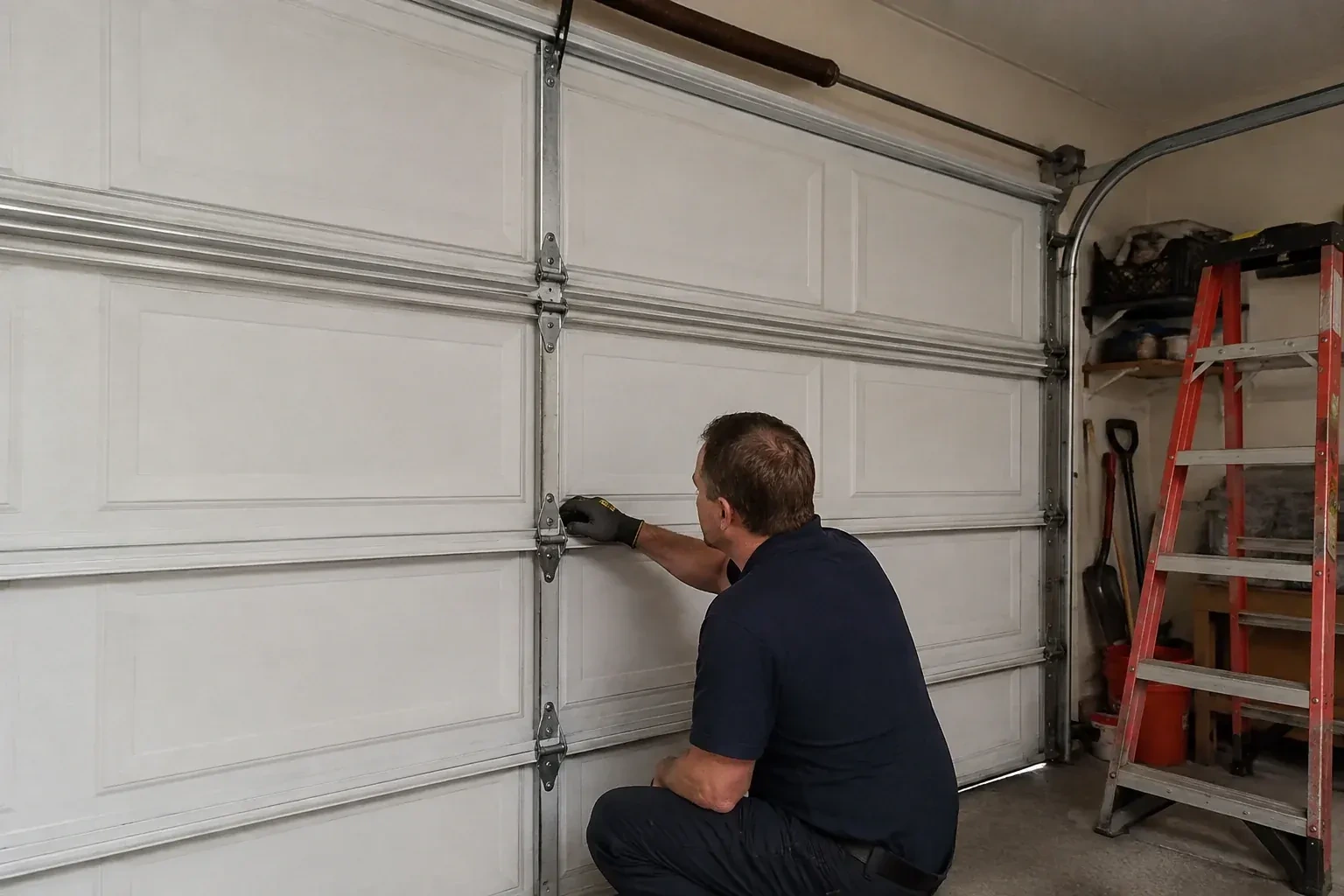
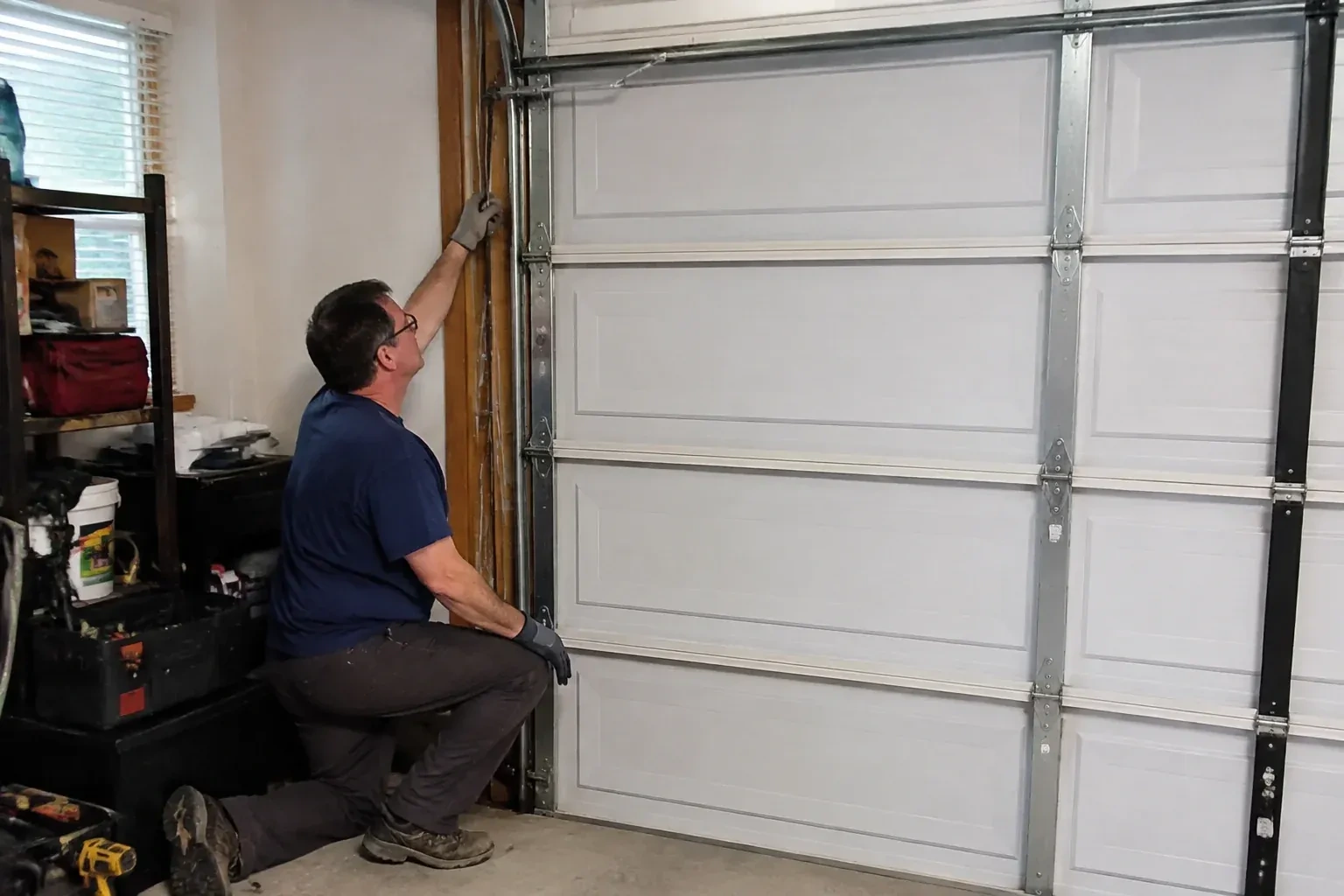
Residents of St. Williams call us for a snapped spring on a cold morning, a remote that has gone quiet, a door hanging crooked in the opening, or a door that has simply had its day. Each visit gets the same steady approach: listen first, inspect the whole door, explain what was found, then repair or replace with proper tools and a tidy finish.
18years in business
24/7open every day
Questions welcome. Ask why a spring broke, what a roller does, whether the opener is worth keeping. Clear answers are part of the service.
Leaving it as we found it. Vehicles moved back, packaging removed, floor cleaned. The only change you notice is a door that runs properly.
Decisions made with the facts. We show you the wear, describe the choices and their consequences, and support whichever route you pick.
Businesses in St. Williams need doors that keep moving; homeowners need doors that are safe and quiet. We serve both. Commercial services include rolling and sectional door repair and operator replacement; residential services run from spring and roller work to openers, seals and new insulated doors.
About 62% of homes in Norfolk County were built in 1980 or earlier, according to the 2021 Census.
Older homes
Older houses frequently have a garage door that was replaced once already, sometimes with a door chosen for the opening rather than the building. When that door reaches its end, there is a chance to pick a style that suits the house properly, and we measure with that in mind.
Single-detached houses make up about 83% of homes in Norfolk County (2021 Census).
Mostly houses
In a neighbourhood of houses, each garage door is chosen by the household, so styles vary from one driveway to the next. When it is time for a new door, homeowners pick panel design, windows, colour and insulation freely, and we bring samples to compare against the siding.
Heavier doors, such as insulated steel or wood, need springs with more capacity, and a door that has been reskinned or insulated since its springs were fitted may be undersprung without anyone knowing. We check the match and correct it.
Halfway up, every single time, the door hesitates and there is a ratcheting sound from the motor head, then it carries on. A closer look shows a stretch of the belt where the teeth are worn almost flat.
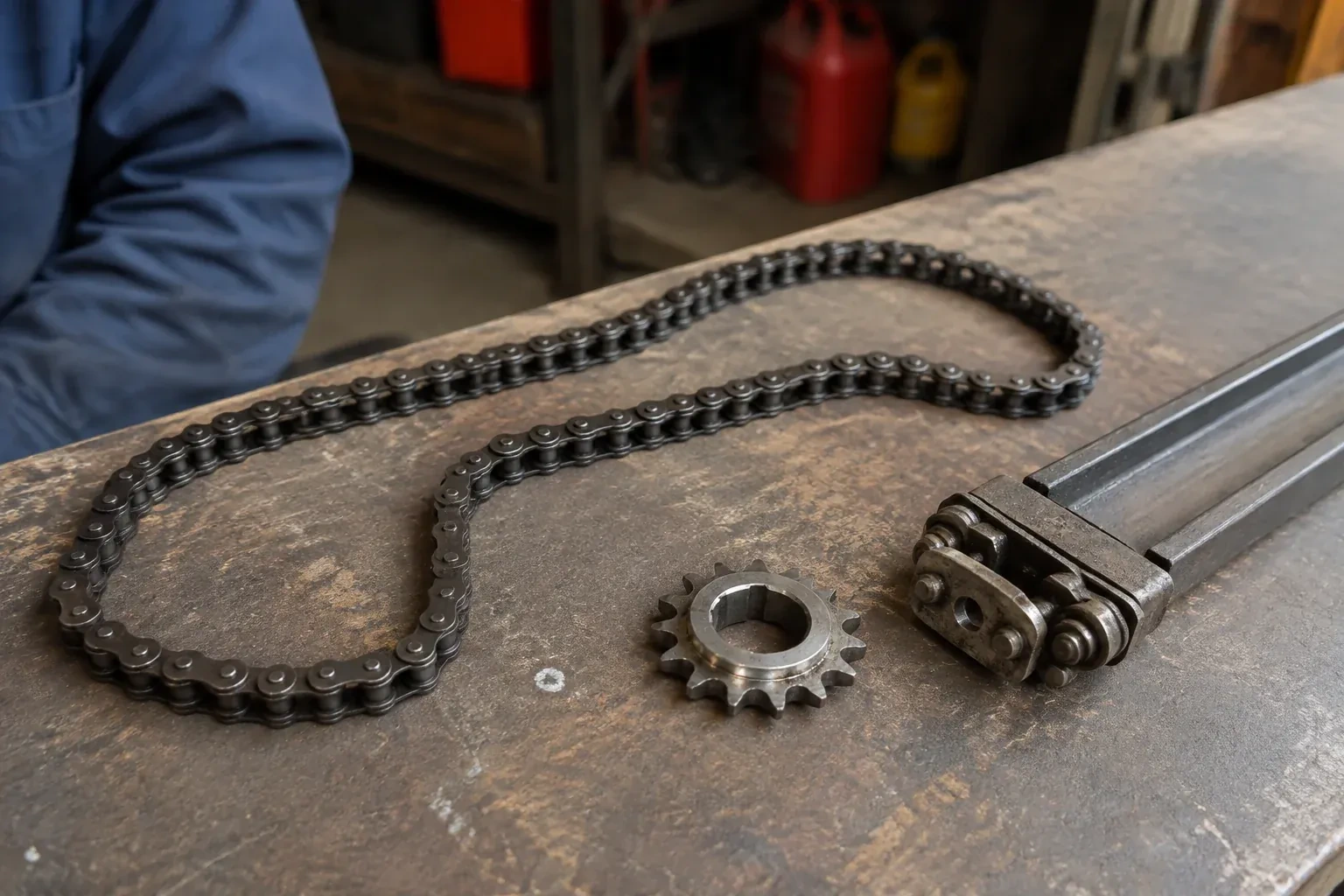
The bedroom above the garage shakes every morning at six when the chain drive fires up. Everyone in the house knows the moment someone leaves for work.
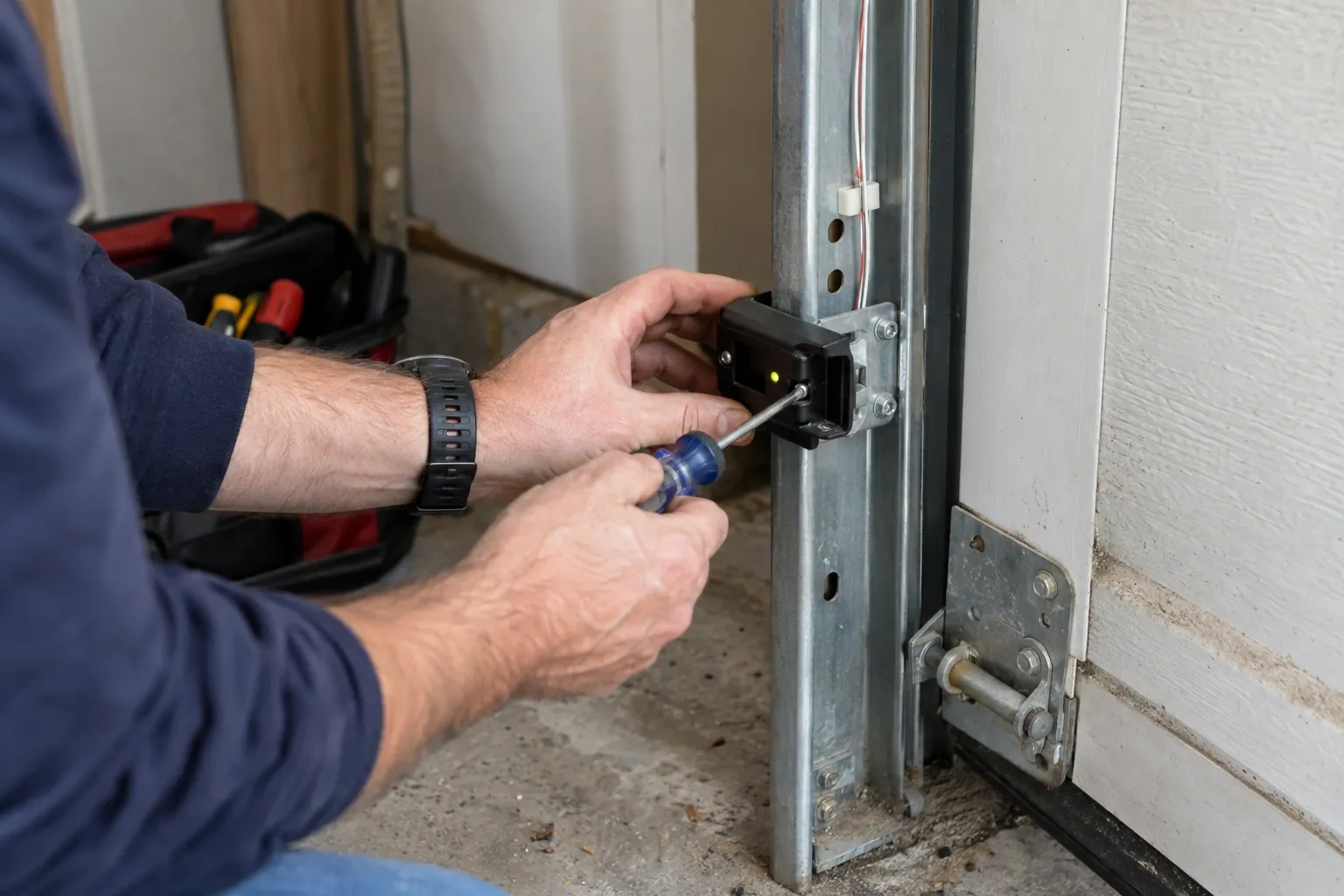
After a cold night the door stays open until the garage warms up. There is frost on the sensor lenses and a ridge of salty slush piled against the brackets where the snow blower was parked.
The new car has three buttons in the mirror for garage doors. You held the old remote up to it as the manual said, the light in the car changed, and yet the door ignores it completely.
Halfway up, the door lets go of the opener with a clunk and sinks back to the floor while the trolley carries on to the top alone. It has happened three times this month, and each time the release lever is found half-cocked.
WhyA spring that breaks with the car inside puts the whole morning on hold, and this service is designed to get that door working again in a single visit.
Open the door by hand and it drifts back down on its own, a little at first and then all at once.
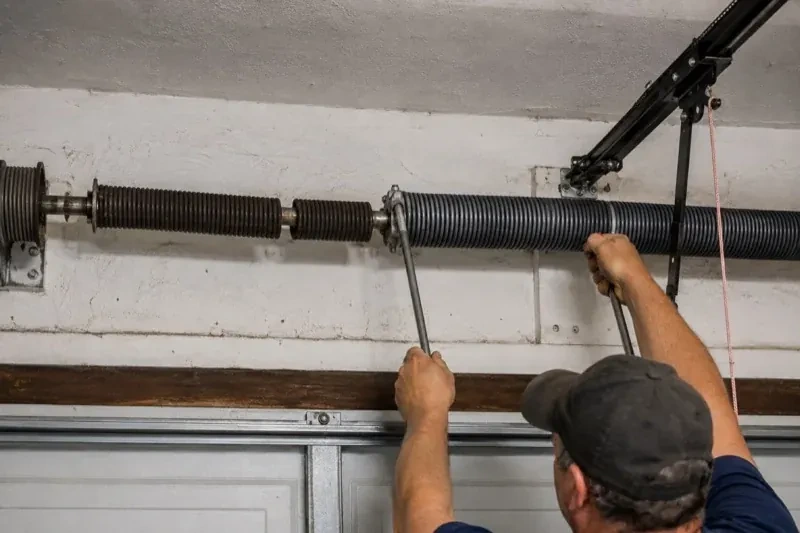
WhyGarage doors are balanced by one of two spring systems, and the extension kind is the one you find on many single-car doors and older detached garages.
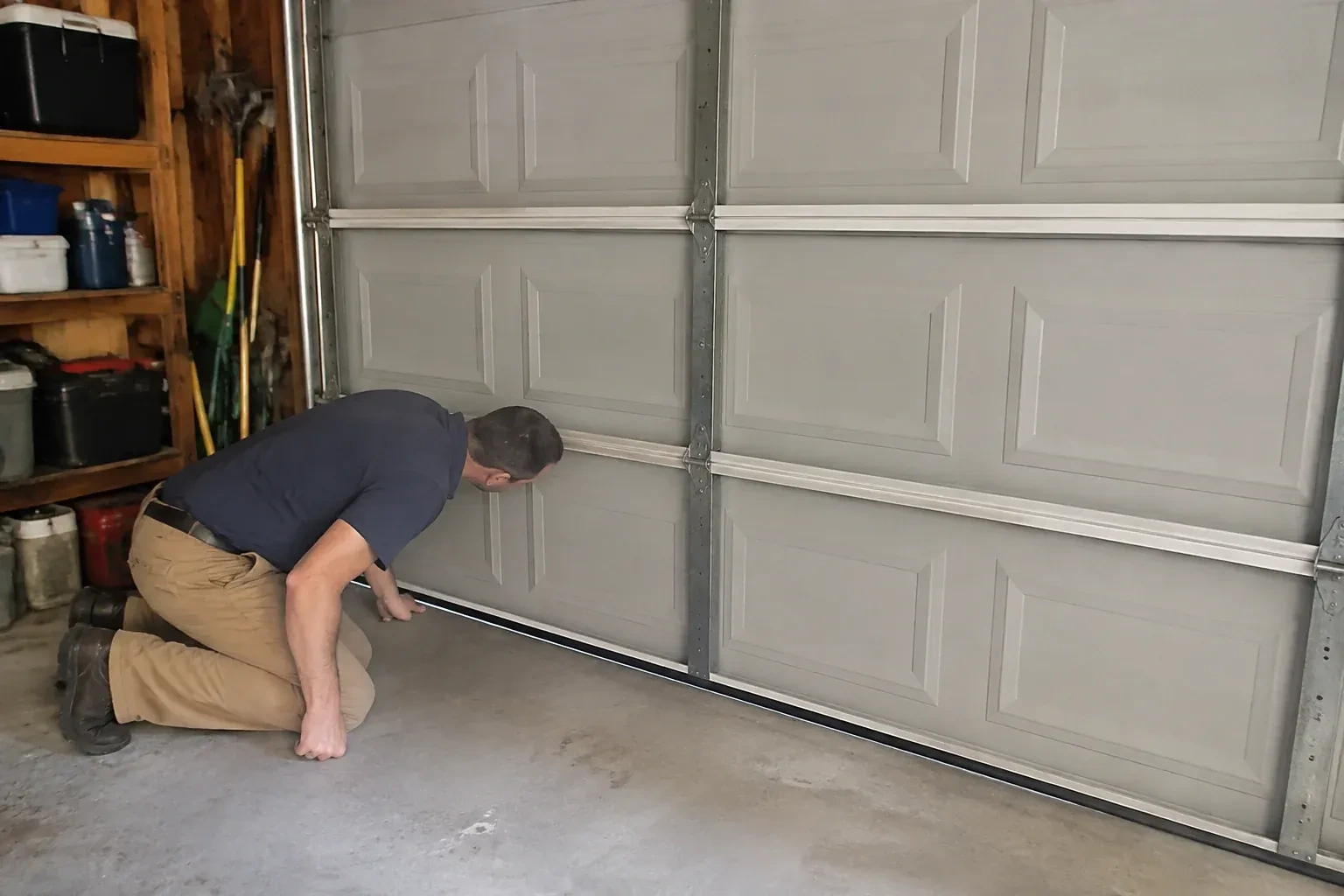
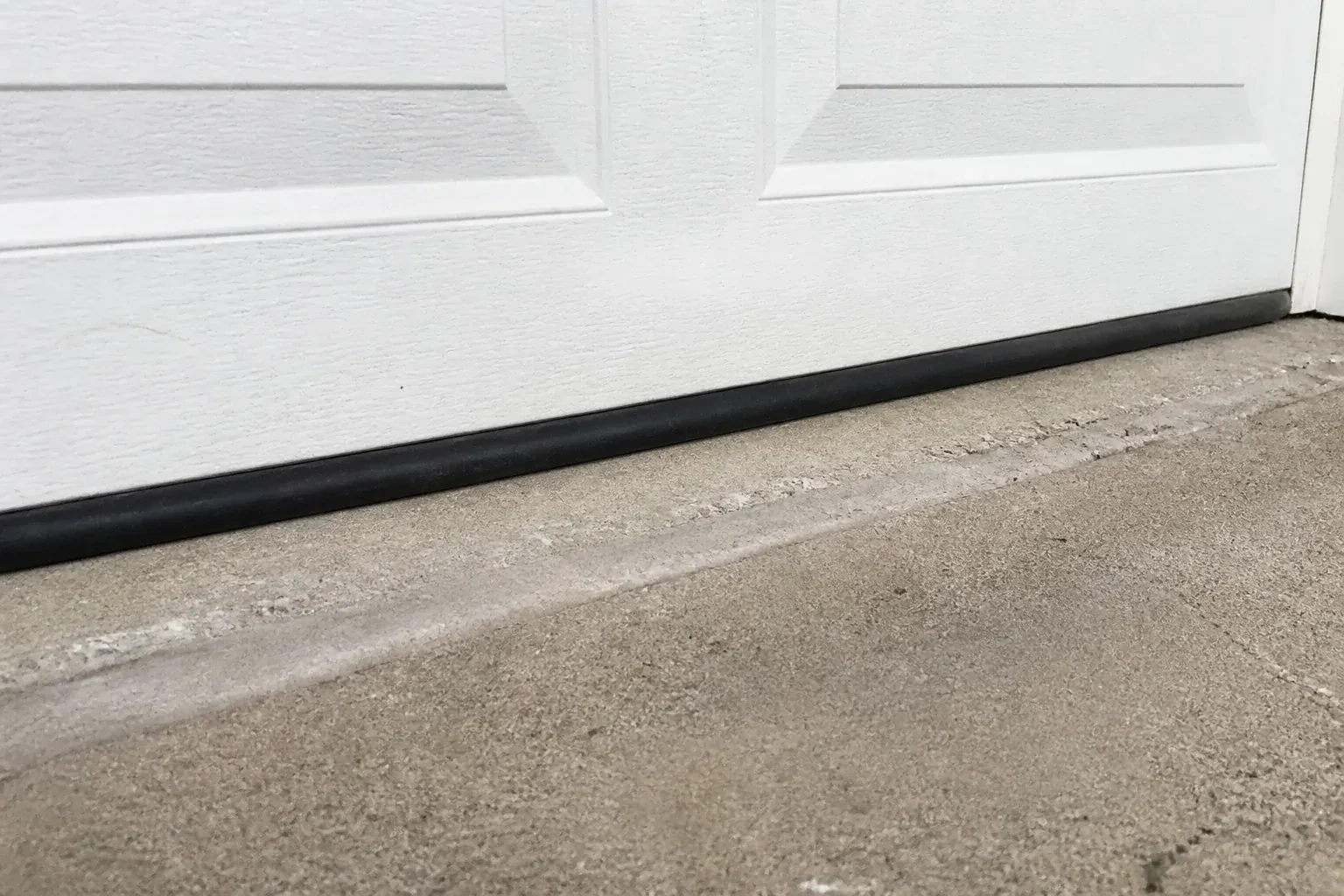
With the door closed, daylight shows under one bottom corner and the seal is squashed flat at the other.
WhyOn a busy building project, this service provides a defined handoff between trades.
How a visit goes
Describe the property, the hardware and what has changed, and the visit starts from what you have seen.
01
Your call, your words
There is no wrong way to describe a garage door problem. Tell us what you saw and heard; we ask the follow-up questions.
02
Finding the real cause
A door that stops halfway can be a sensor, a spring or a stripped gear. We test each possibility rather than assuming the obvious one.
03
Putting it right
The technician fits the correct parts, adjusts the opener to the door, and shows you the result running through full cycles.
An entrance. Not an afterthought.
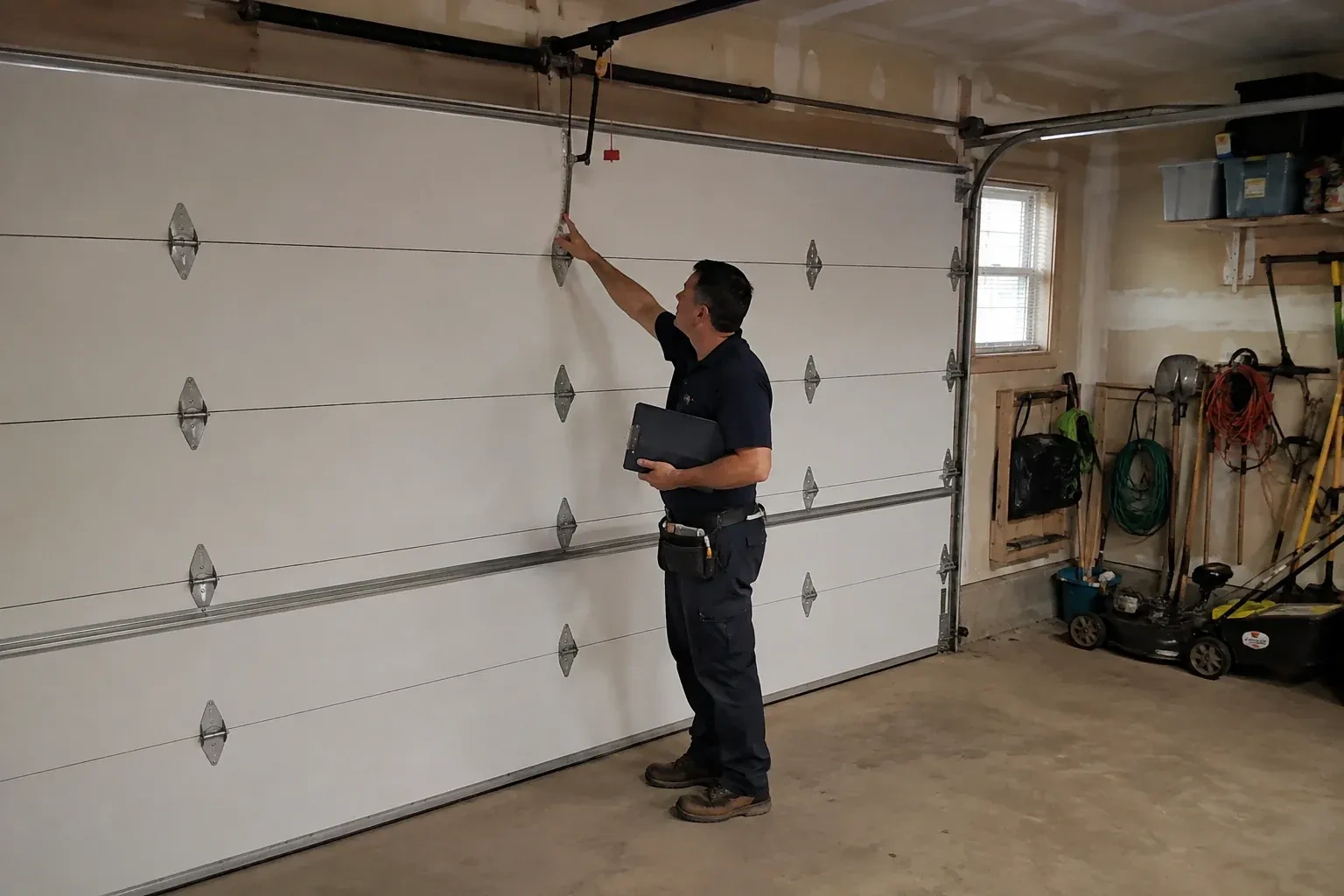
1/10Garage Door Safety Inspection
Your toddler has discovered the wall button. You want to know, from someone who checks these things for a living, that the door will stop and reverse if a small person is under it.
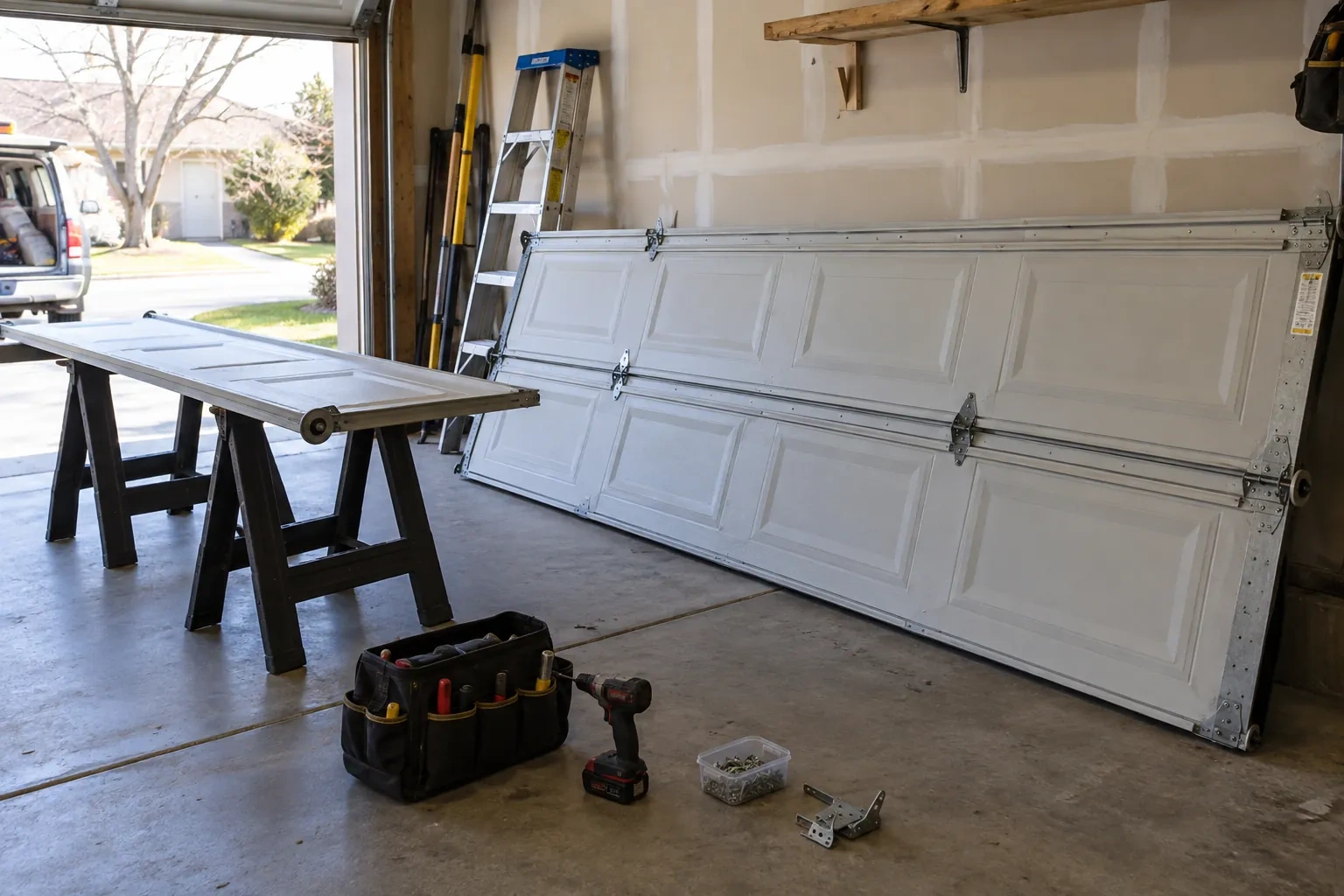
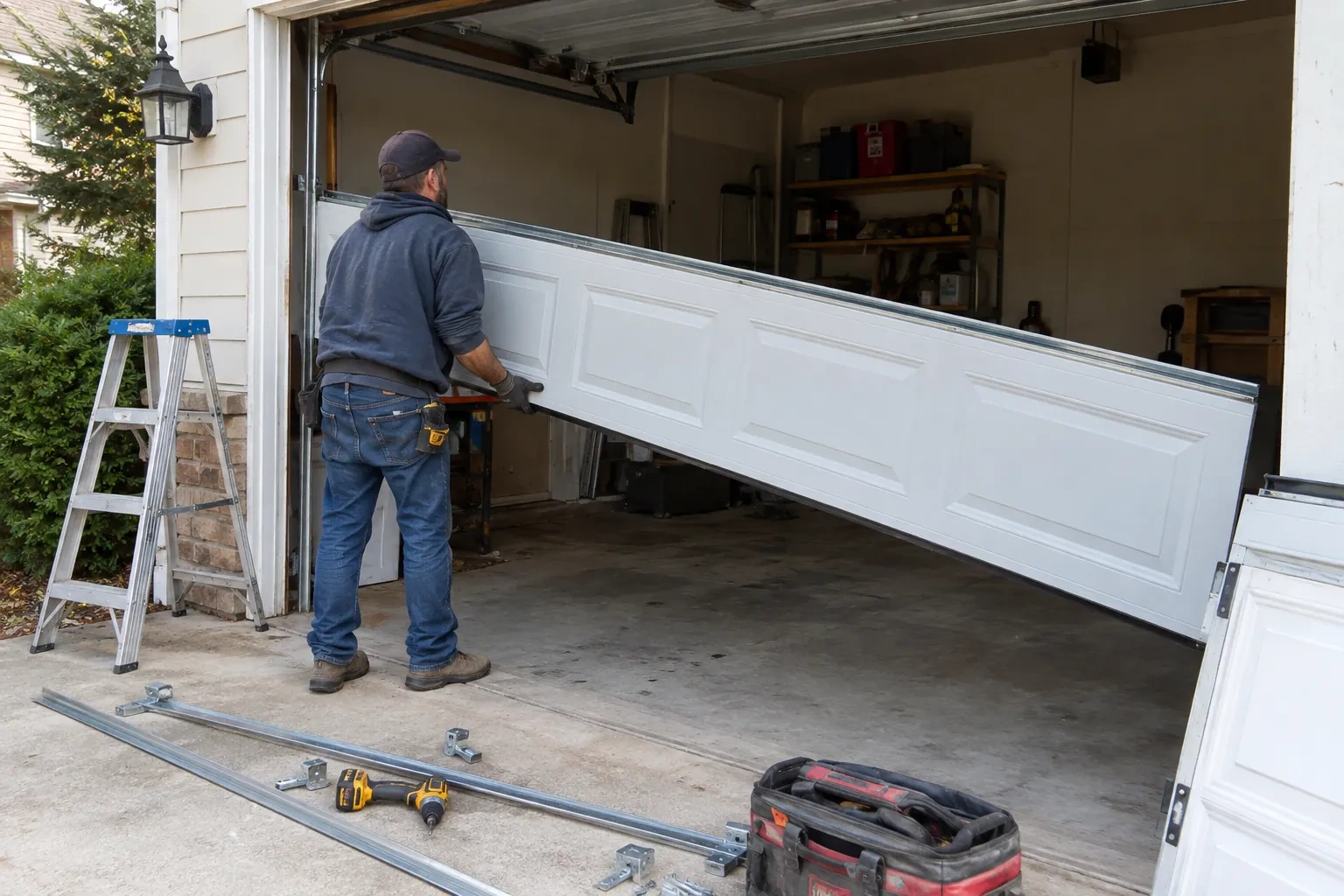
A stray ball went through one of the window panes in the top section. The glass is gone, the frame around it is cracked, and the steel beside the opening is pushed in, so the whole section is in question rather than one pane.
The new door went in last year and looks perfect, but the old wooden stop and its tired seal were left in place. Along the top there is a gap you could slide a finger into, and the cold pours through it.
The door starts to rise, gets about the height of your knee, then shudders and reverses. The opener sounds strained, and the top section flexes as the trolley pulls on it, because the motor is doing work the spring used to do.
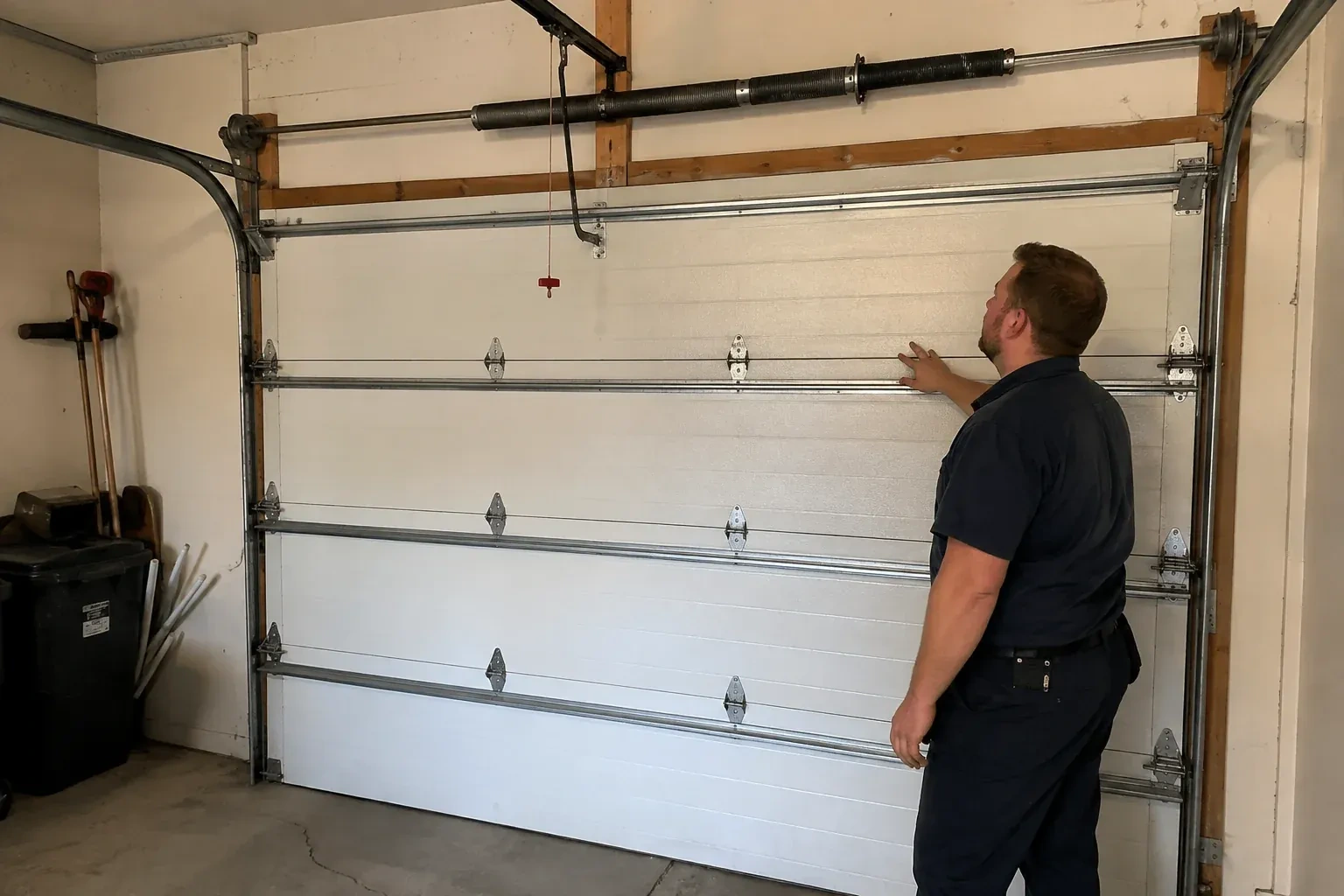
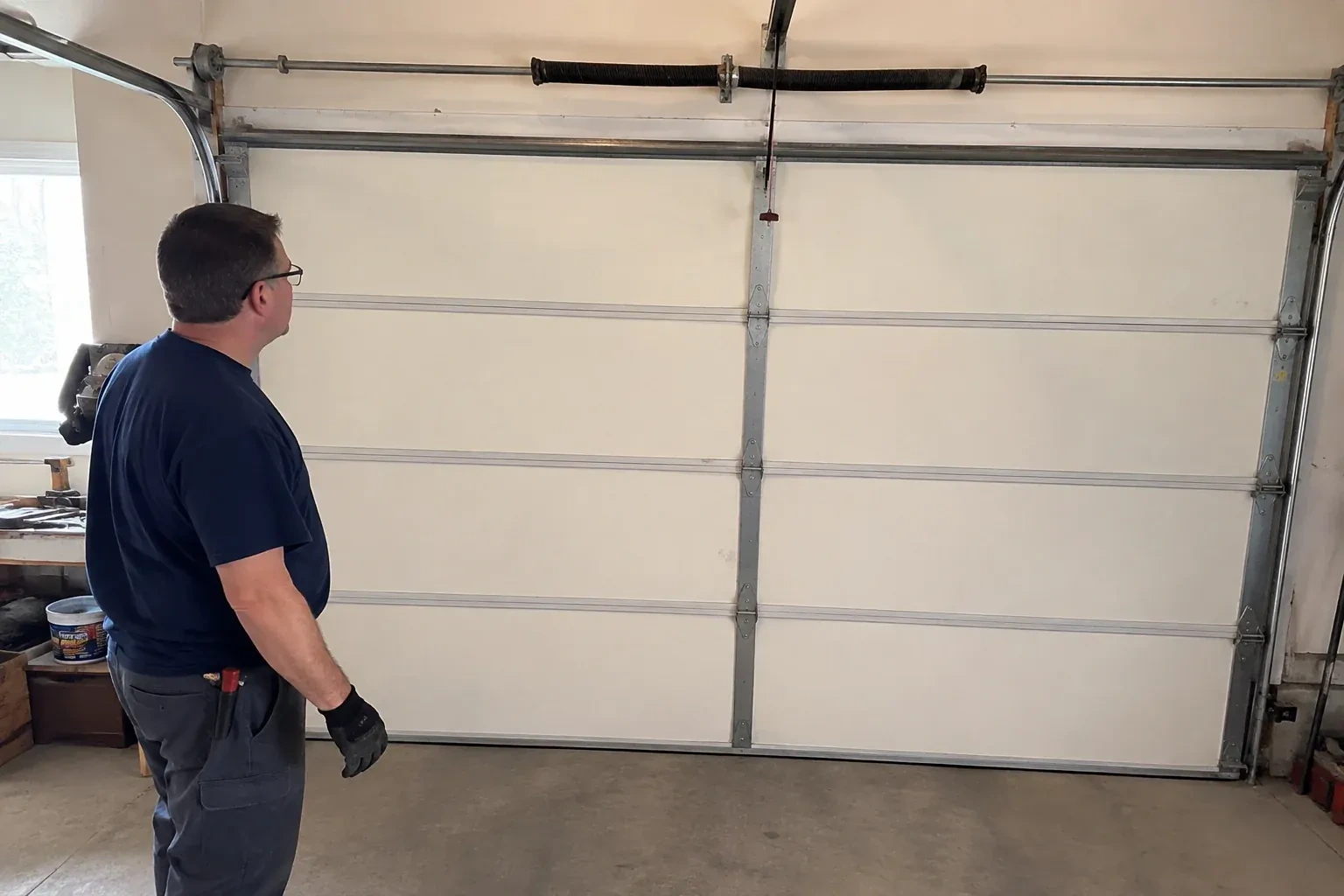
Open the door by hand and it drifts back down on its own, a little at first and then all at once. Nothing is broken that you can see, but the springs along the tracks look tired, rusty and slightly sagging.
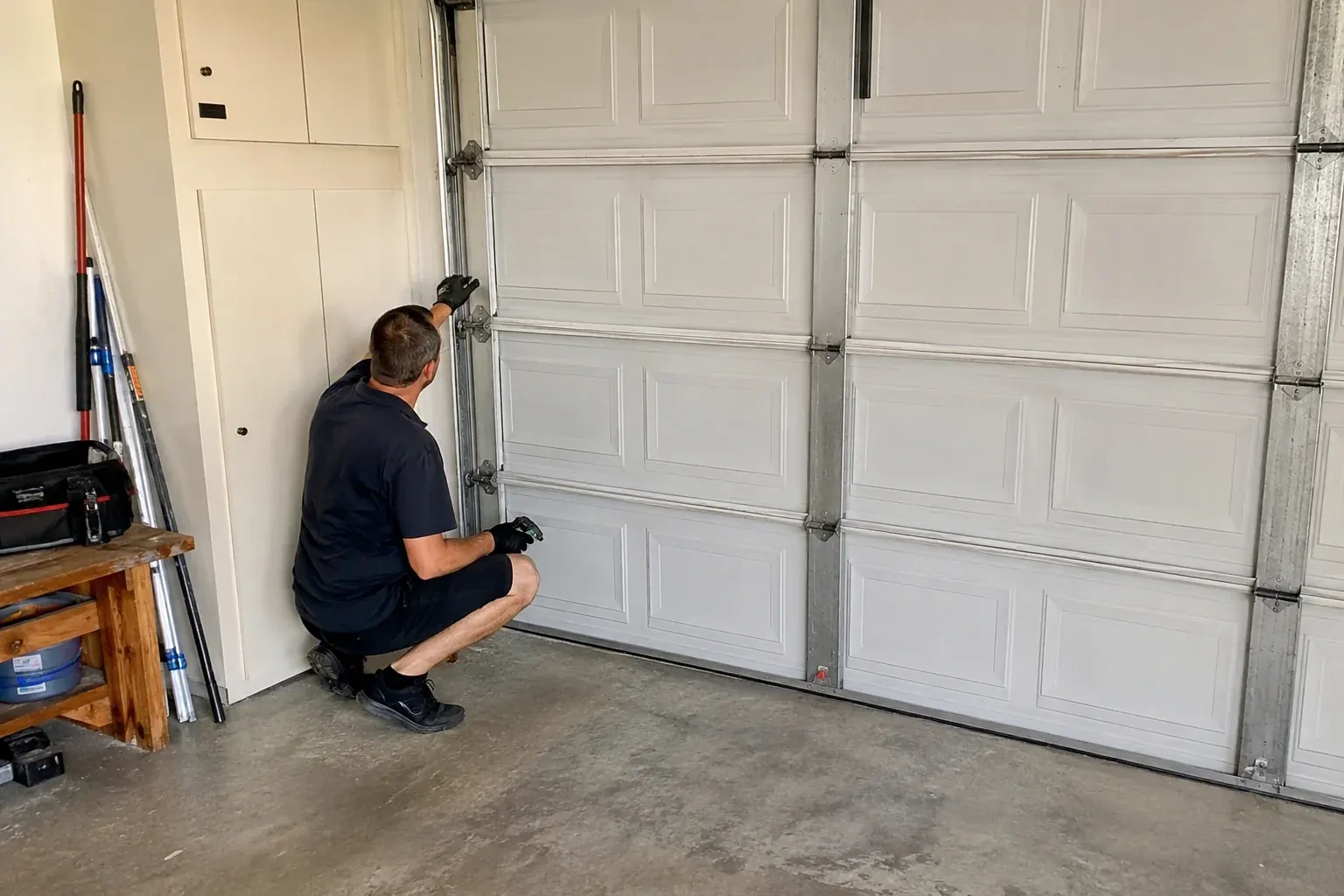
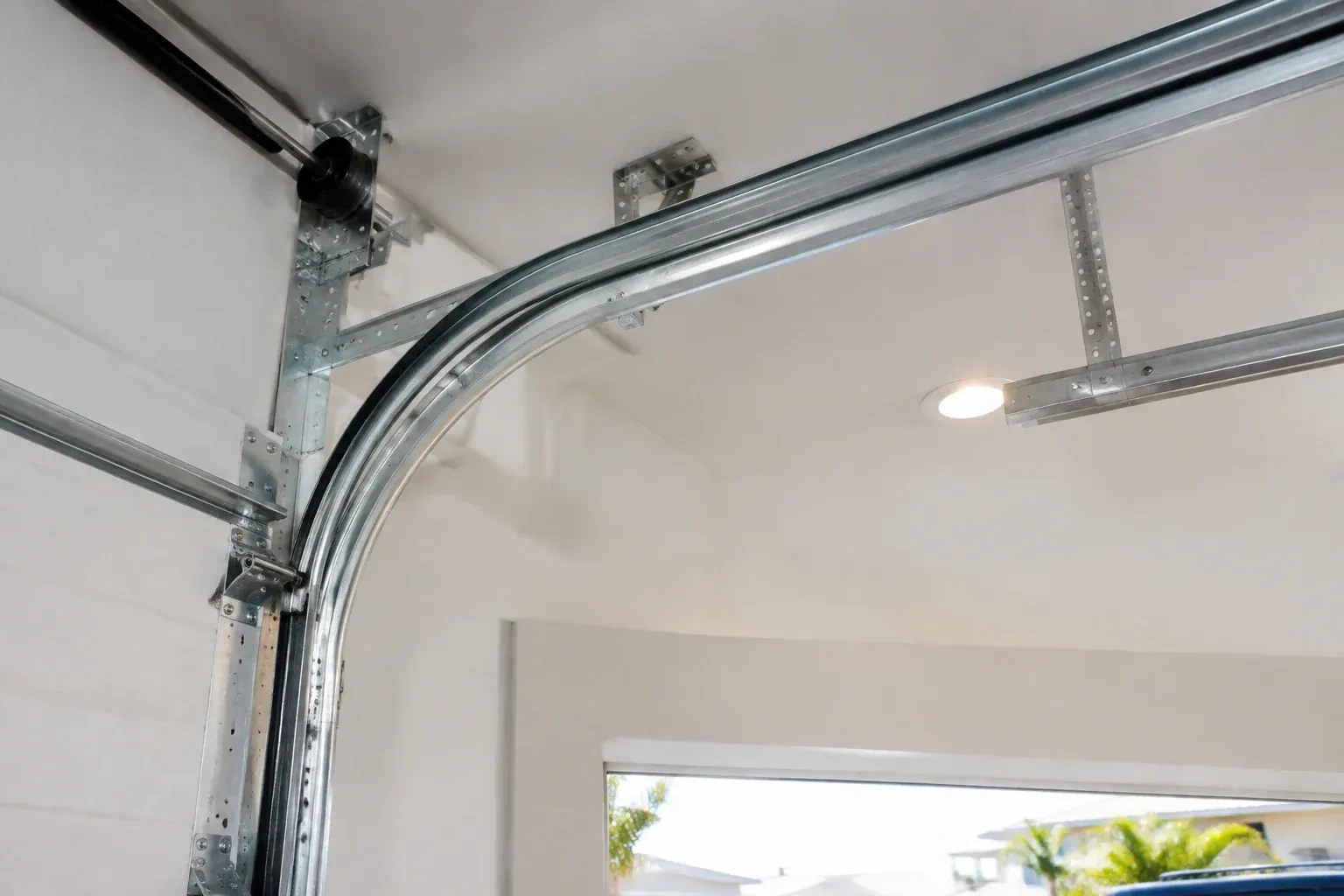
With the door closed, daylight shows under one bottom corner and the seal is squashed flat at the other. As it rises, the left side leads by an inch or two, and the top section twists slightly as it turns into the horizontal track.
After the move, the previous owner's remotes are somewhere in another city and the keypad on the outside wall wants a code nobody wrote down. The wall button works. Nothing else does, and you have no idea who else can open your garage.
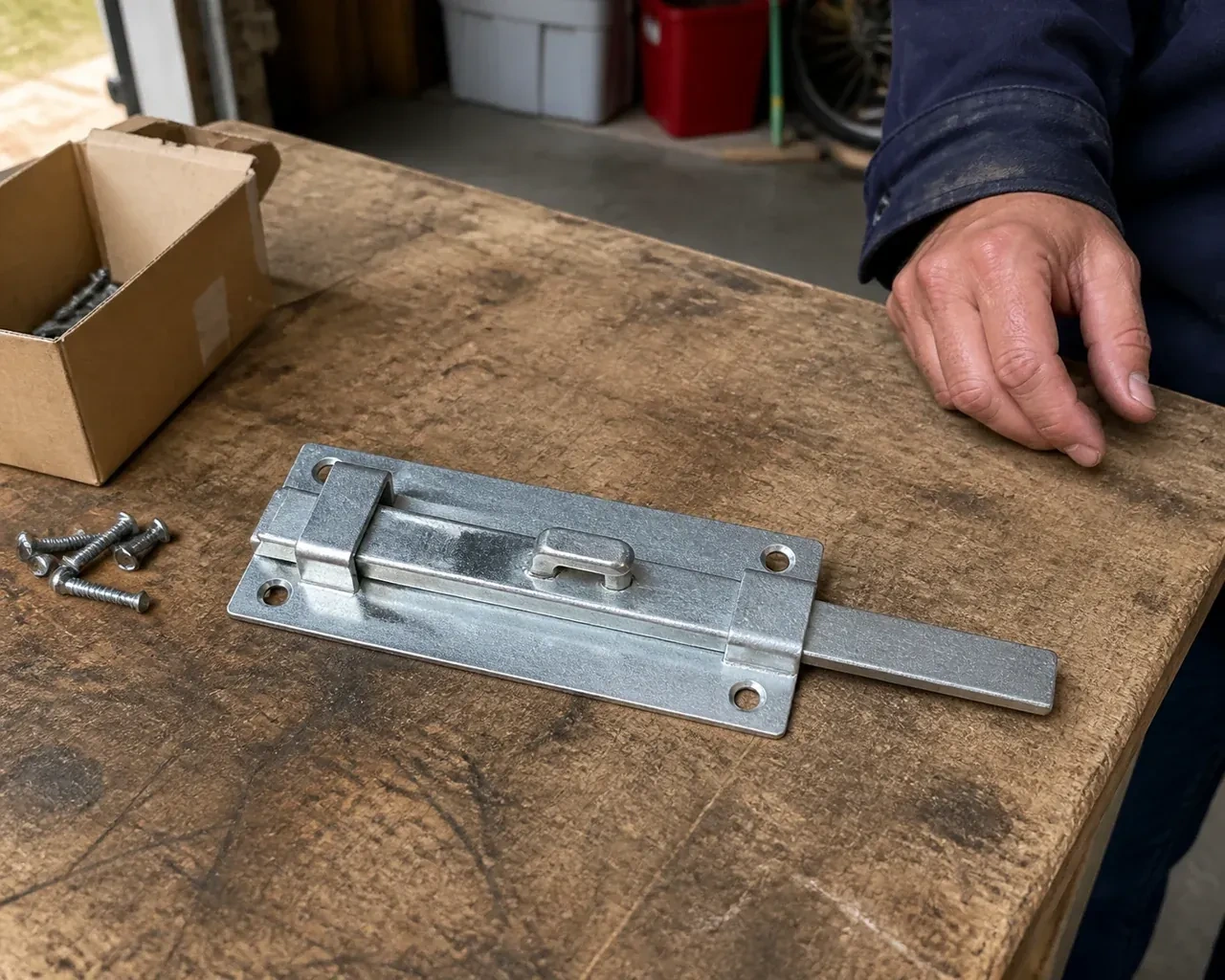
Someone pulled the cord last spring to get a car out during an outage, and the door has never properly rejoined the opener. Press the button and the trolley glides along the rail by itself while the door stays exactly where it is.
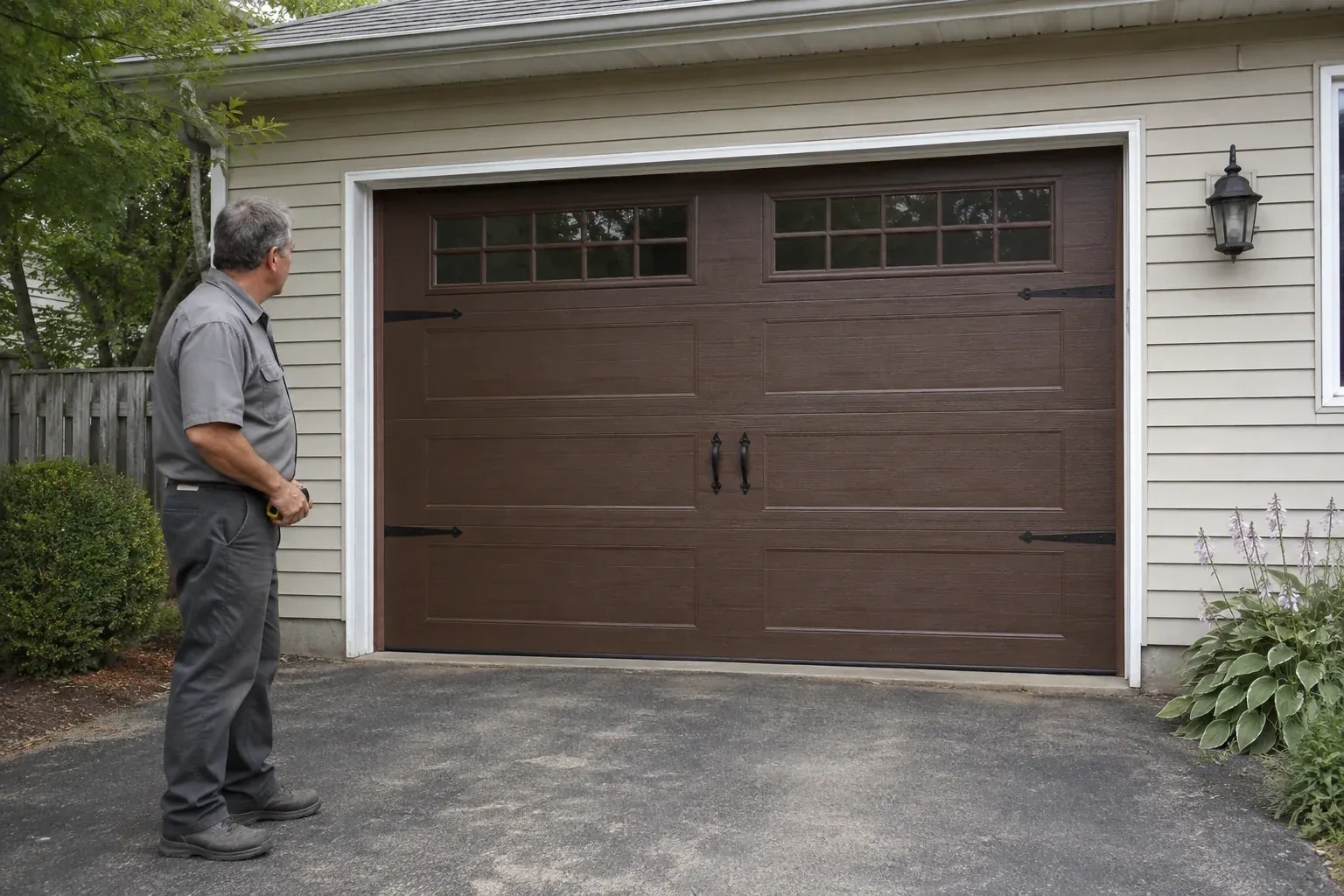
Traditional swing-out coach doors have the look you like, but the driveway needs to remain clear as the door opens. A sectional carriage-house design would provide that appearance while travelling overhead.
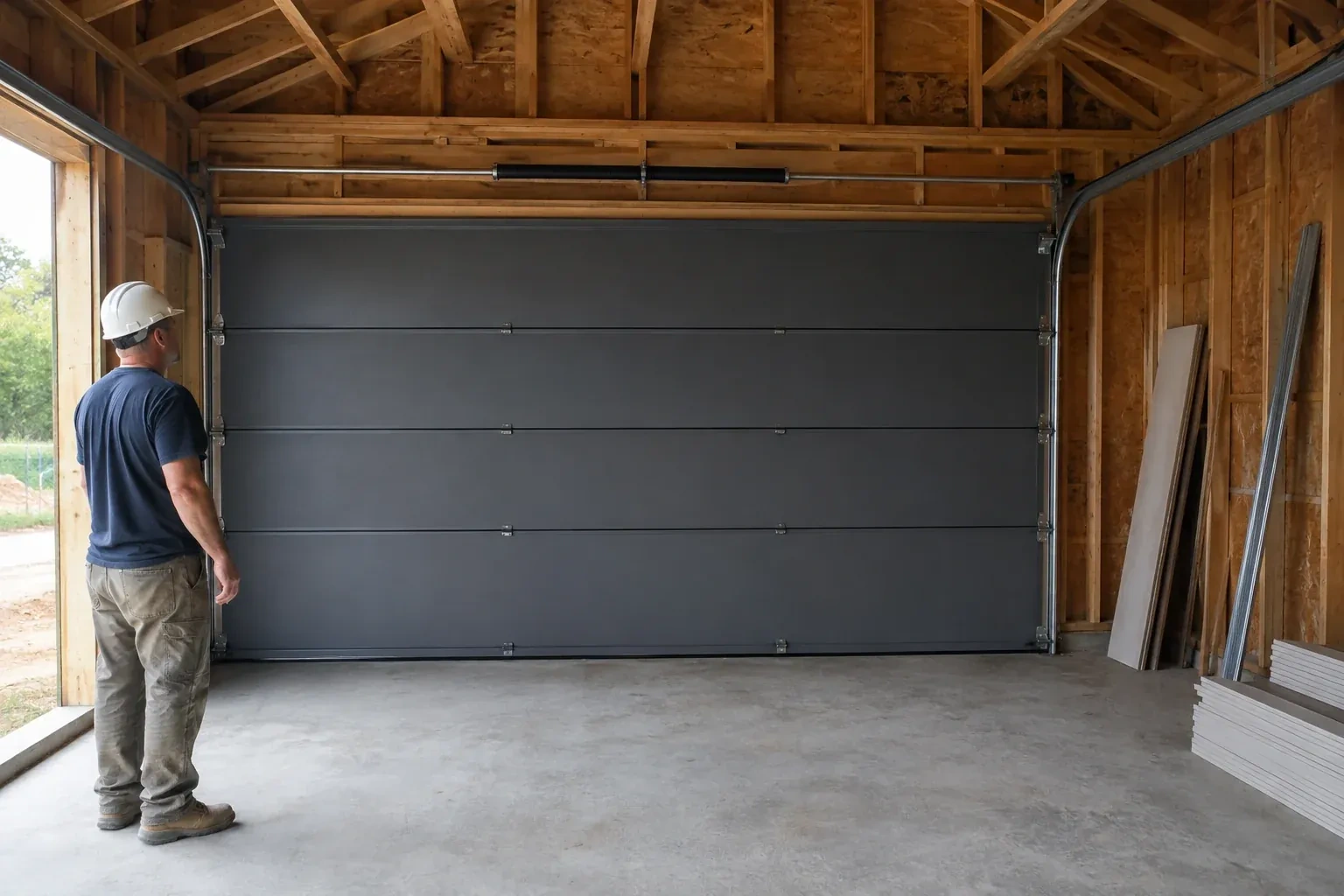
Framing, siding, flooring and electrical crews are working from the same schedule. The garage door is ready for its place in that sequence once the opening, anchor points, floor height and power are confirmed.
Yes, plainly and at the door. A slack or frayed cable, a gap in a spring coil, a door hanging crooked, a bracket pulling out of the framing or an opener that fails the reversal test are the kinds of findings that put an item in the stop-use group. When that happens you see the reason yourself, the door is left resting in a safe spot with the opener unhooked, and the fix is written up and quoted so it can be booked.
What is a strut, and does a new section need one?
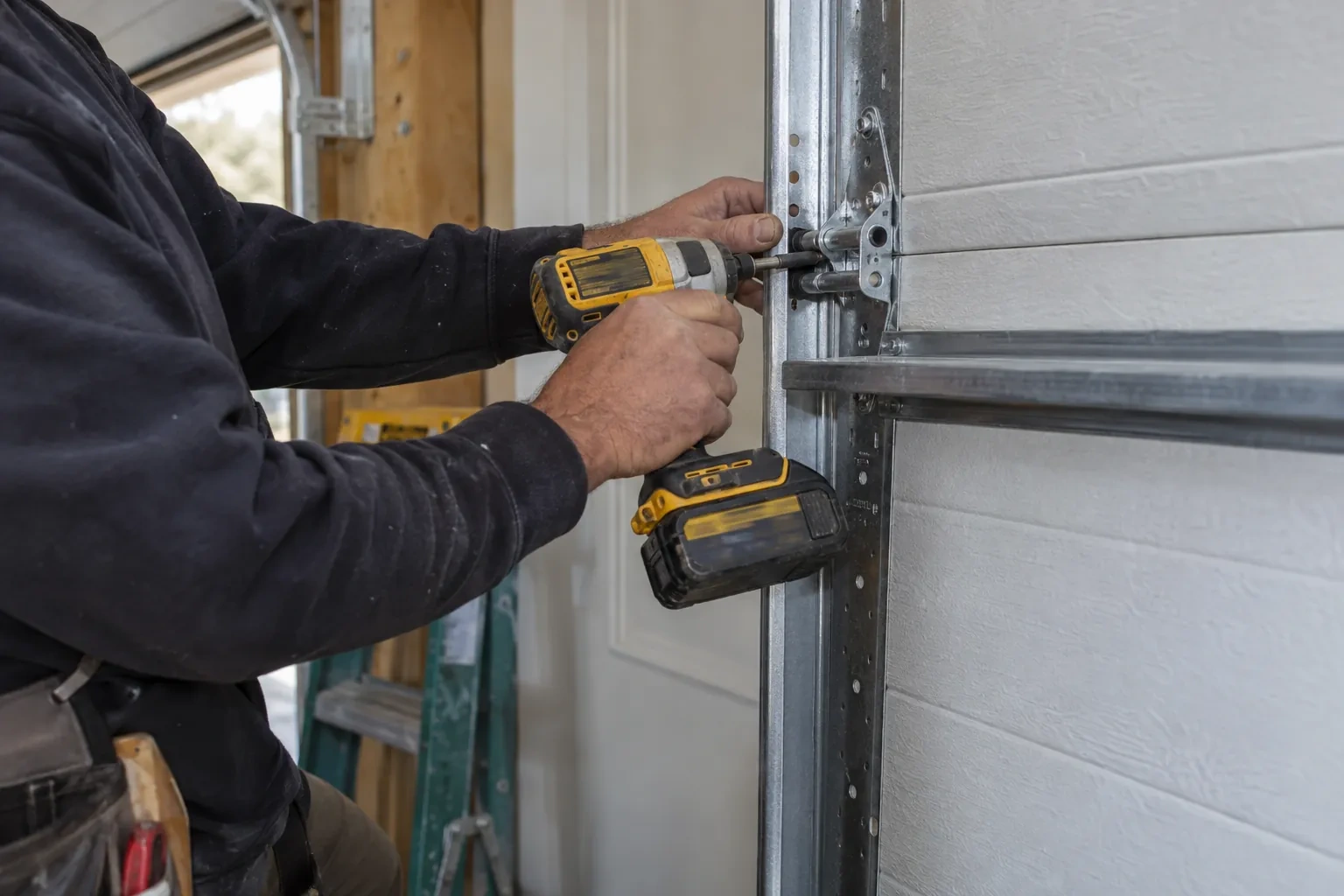
A strut is a horizontal steel stiffener fastened across the inside of a section to keep it from bowing. Wide doors, top sections where the opener arm pulls, and bottom sections that take knocks are the usual places for them. If your damaged section had a strut, the new one gets a straight strut refitted or replaced. If a top section bowed because it never had one, adding a strut is part of putting it right.
How can I tell the side and top seal needs replacing?
Close the door, turn off the garage lights and look along the edges for daylight. Then press the fin with a thumb: it should be soft and spring back. Hardness, cracks, pieces missing, a strip hanging loose, snow or leaves inside along the edge, or a fin that has folded under and torn are all signs. A rubbing squeal as the door moves is another.
What should I do before the technician arrives?
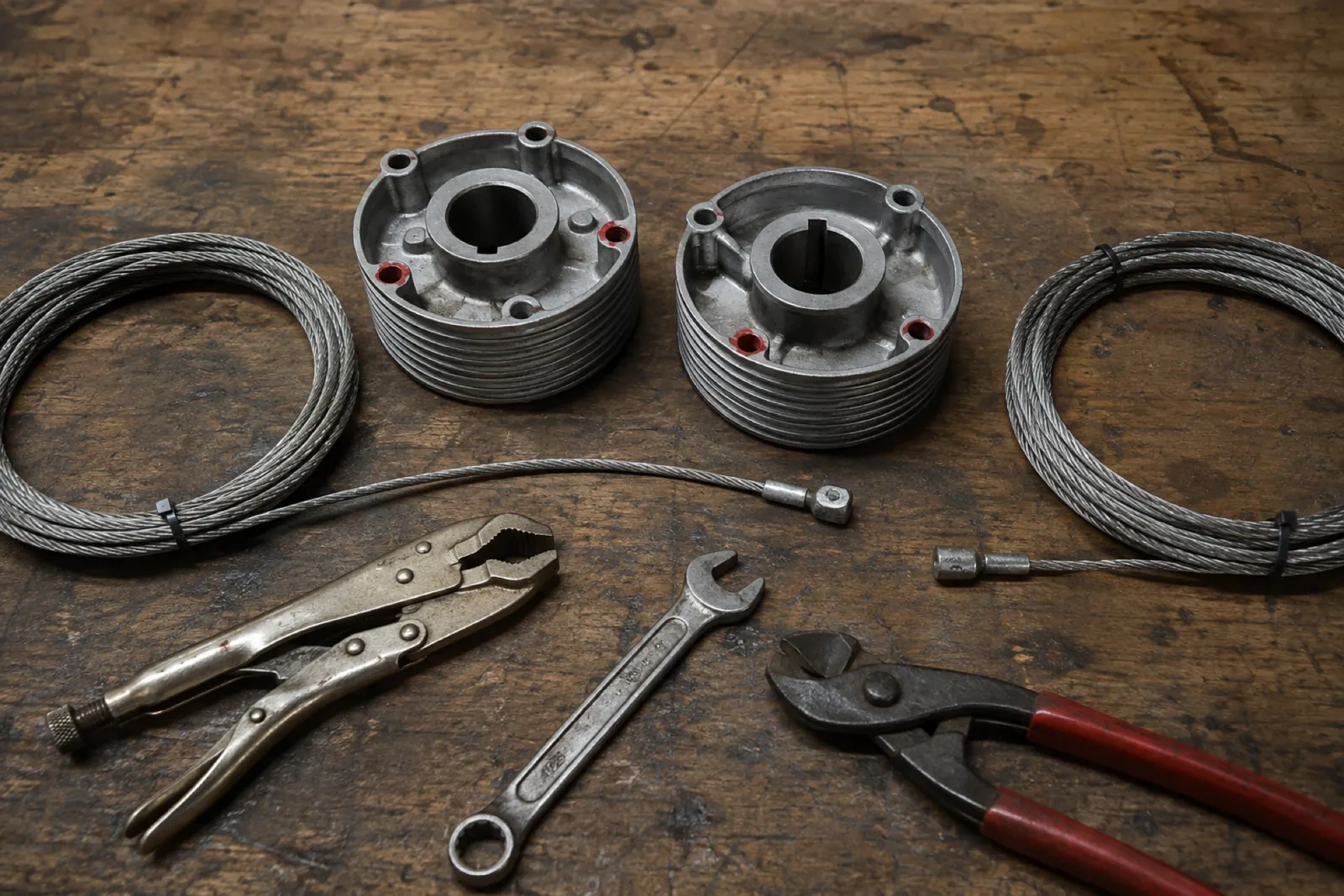
Keep the door closed and leave it alone, move any vehicle you can reach out of the way or at least clear the space in front of the door inside the garage, and make sure there is room for a ladder beneath the shaft. Note whether there is one spring or two and whether a cable is loose. A photo of the spring area, the drums and the opener helps the technician bring the right parts.
Why does the opener get adjusted after new springs?
Because the door is now much lighter for the opener to move. Over the years, as the old springs weakened, the opener's force setting may have been turned up to keep the door going, and its travel limits were set against a door that sat differently on the floor. Left alone, that extra force would push the newly balanced door too hard. Resetting force and travel, then repeating the reversal tests, matches the opener to the door it now has.
Will I need new springs, or just an adjustment?
The inspection decides, and looks past appearance alone. A spring can look sound, with tight, evenly spaced coils, no rust pitting and no gap, and still be the wrong specification for the door or nearing the end of its service life. The technician checks the spring's specification against the door's weight and history: a spring that checks out is wound and left in service, while one that is undersized, stretched, corroded or close to its cycle life is better replaced. Either path ends in a balanced door.
How is the keypad code chosen and can I change it later?
You choose it at programming time: four digits on many keypads, three to eight on others. Avoid the house number, a birth year or a repeated digit. The code is entered into the keypad, confirmed at the opener, and kept off the paperwork. Changing it later follows the instructions for your model and takes a couple of minutes, and the technician can show you the sequence before leaving.
I pulled the release and the door was very heavy. Is the release broken?
The release did its job; the weight is the door telling you its springs are no longer carrying it. A balanced door lifts with modest effort and holds still at about a metre. A heavy one needs the counterbalance looked at, which is work with winding bars for a technician trained for tensioned hardware. During the visit the door side is corrected first, then the release is put back into use on a door that lifts as it should.
Can I get the traditional look and still use an automatic opener?
Yes. The traditional effect is created by section design, overlays, windows and decorative accents; the working door can still travel overhead under automatic control. The opener is matched or reviewed for the door's dimensions, finished weight and track geometry. Its arm attaches to a reinforced point, and travel, photo eyes and reversal are set after the door is balanced.
What happens if the opening dimensions change during the build?
The revised finished width, height and surrounding clearances are measured and compared with the selected door package. A small framing change can affect section size, track position, seals or spring specification, so compatibility is confirmed before installation proceeds. The responsible project party decides how the building work is corrected or the selection is revised. Recording the accepted dimensions gives the builder, supplier and installer one shared basis for the next step.
Request a visit
People in St. Williams tend to remember two things about a visit from us: the technician showed them the worn part rather than just naming it, and the number he gave on site was the number on the invoice. That is how every job runs, from a single roller to a full new door.