New Doors · Norfolk County
Wind-Rated Garage Door Replacement
New windows would improve the door's appearance, but they also change the section layout and reinforcement pattern.
In plain words
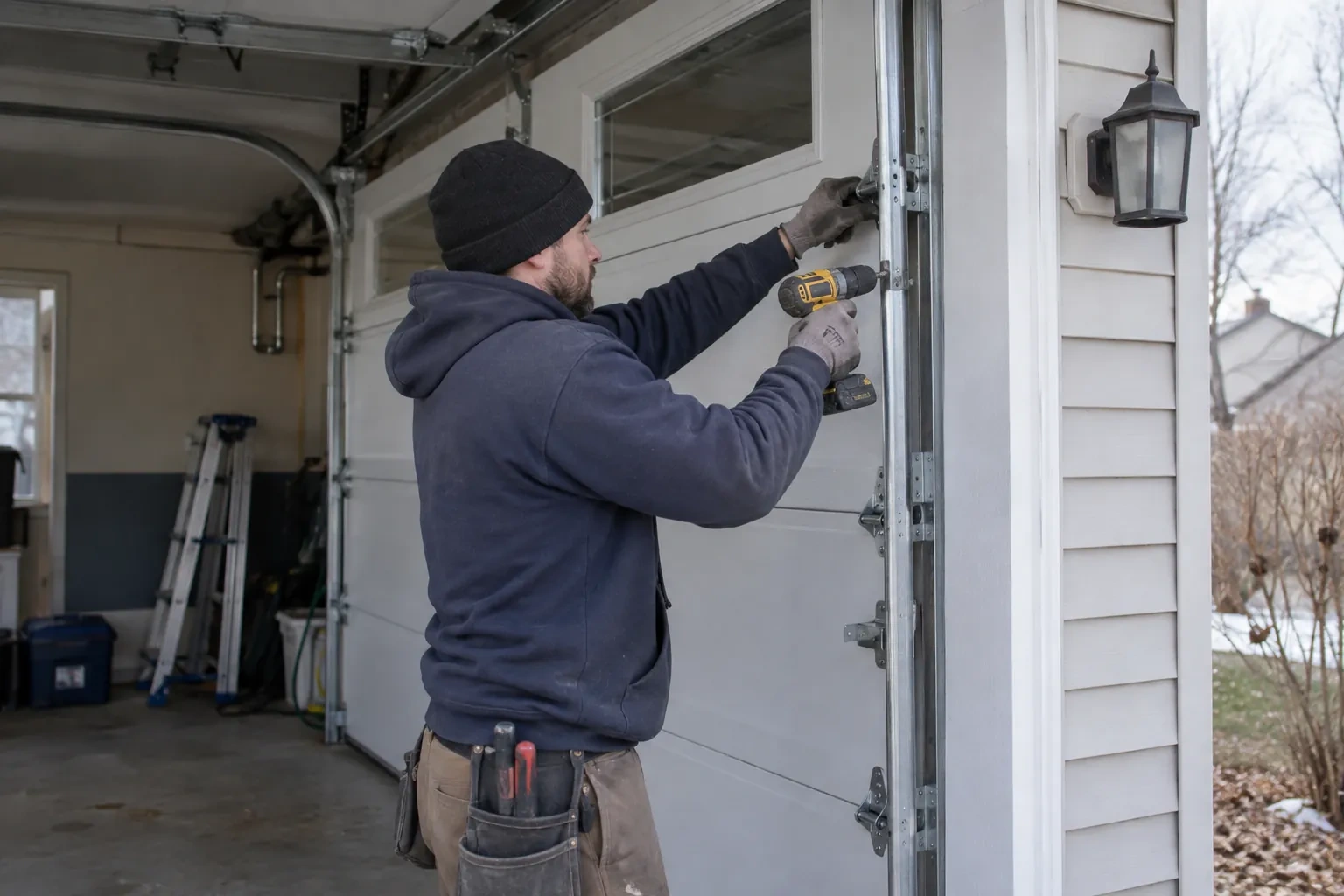
Windows can be included in a wind-rated garage door when the chosen configuration accounts for them from the outset. Glazing size and placement affect section construction, so the opening, panel layout, reinforcement, and supporting documents are reviewed as a package. Installation follows that exact arrangement instead of cutting into a finished door later. The result combines the desired daylight and exterior style with appropriate tracks, hardware, anchors, spring balance, perimeter seals, and operator settings for the completed assembly.
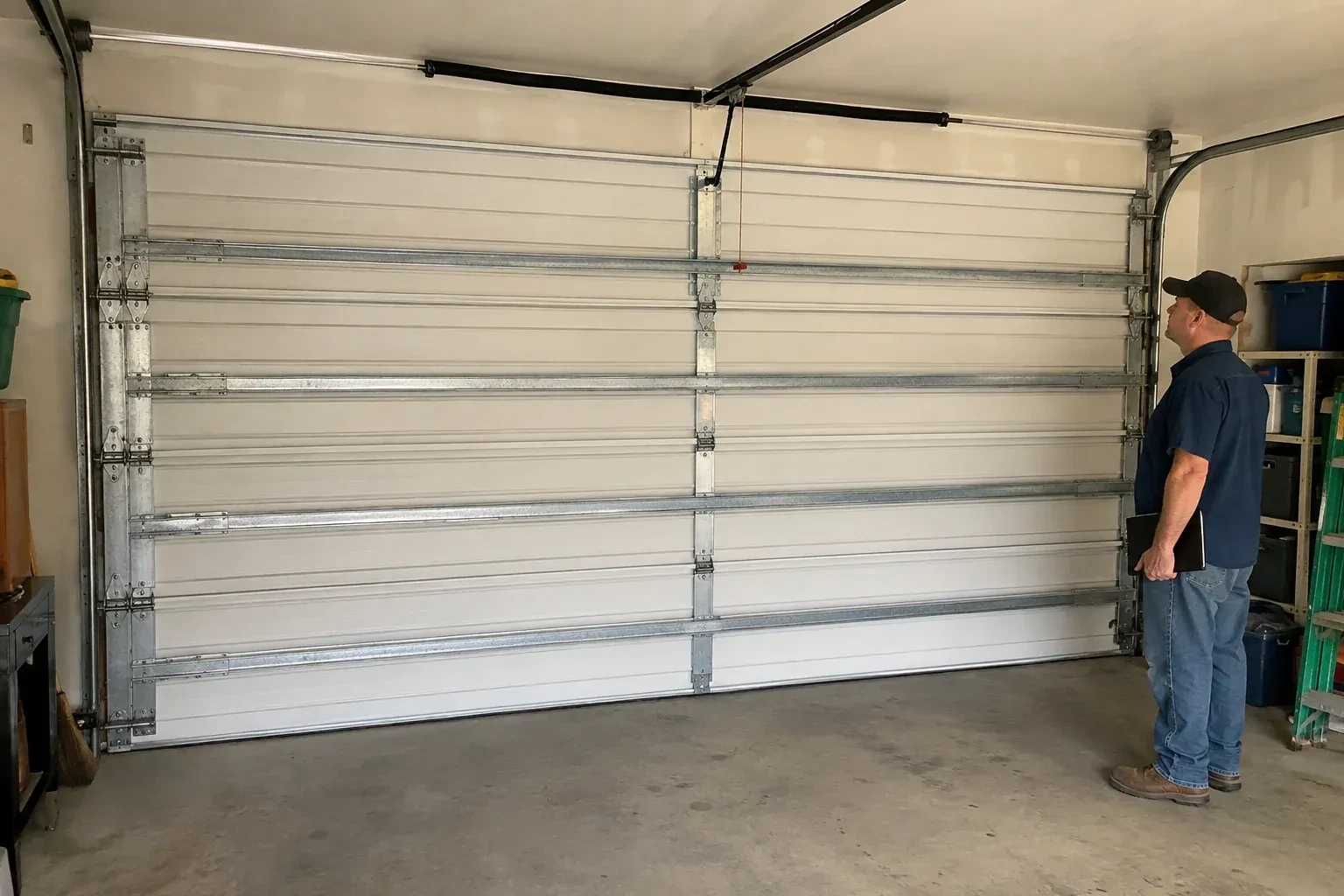
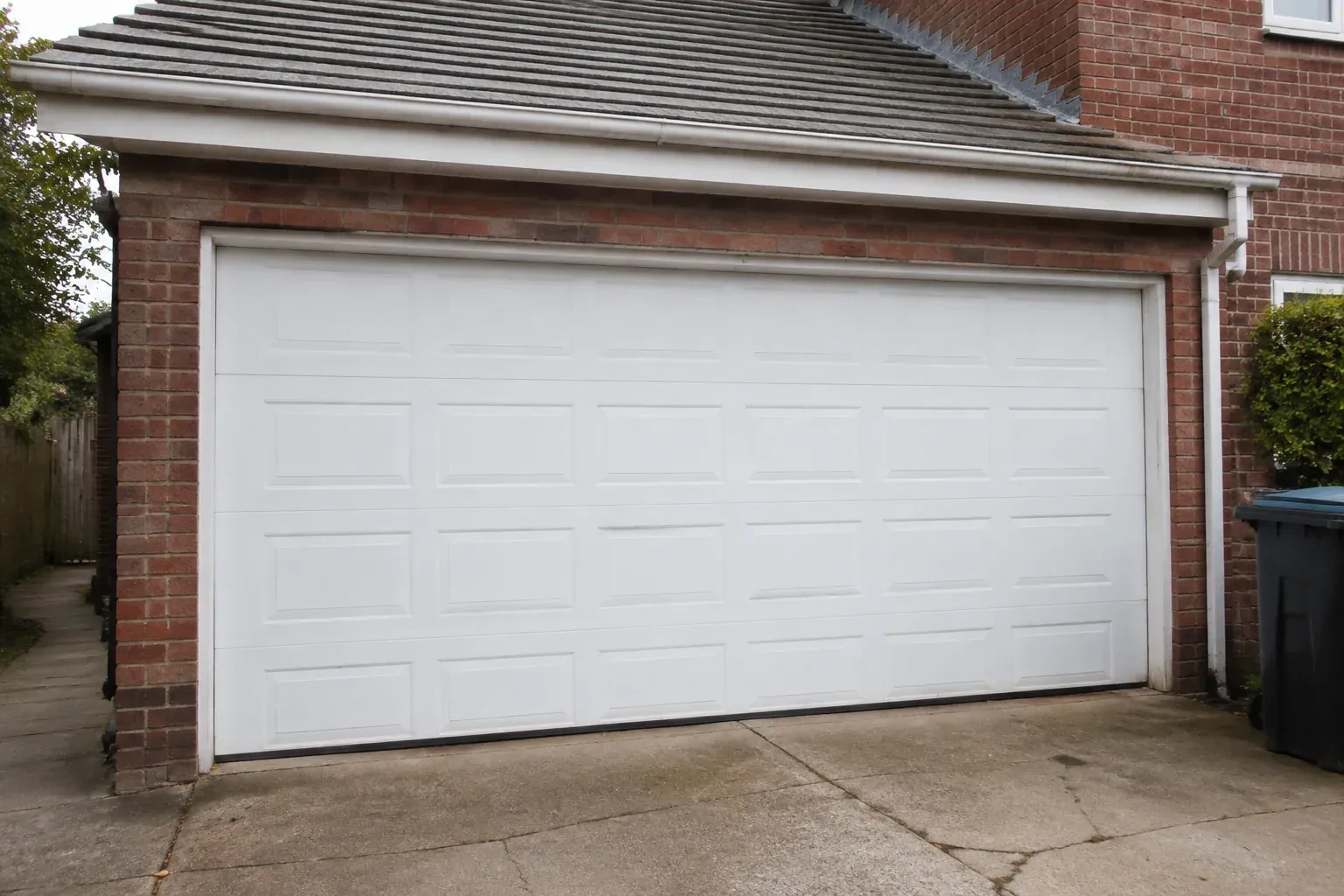
How the visit goesStrong gusts make the centre of your wide garage door bow inward and the rollers chatter in their tracks. Once the weather settles, the panels look straight again, but the movement has made you question how the opening is reinforced.
Wind-Rated Garage Door Replacement
How the visit goes
Trace loads into the structure
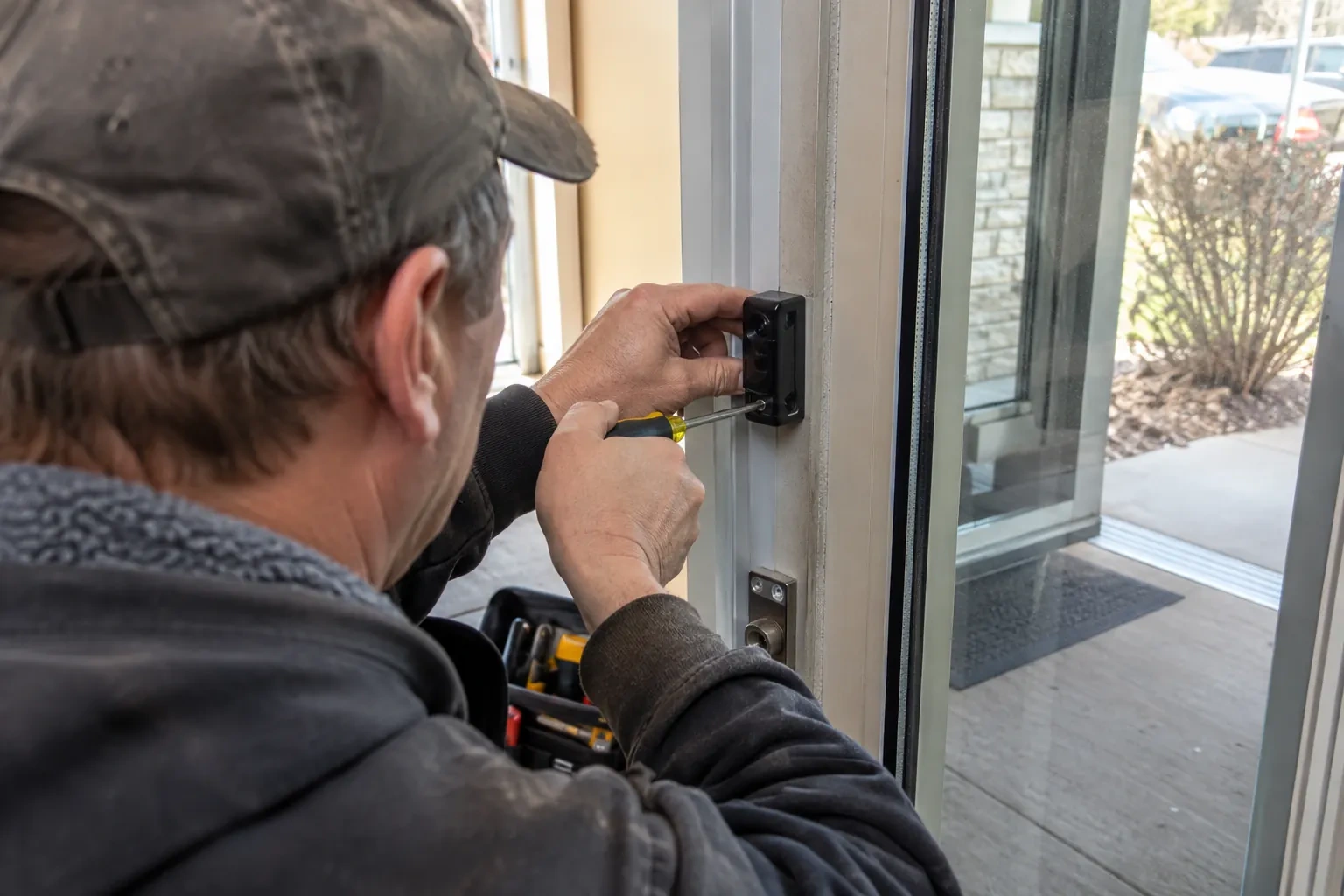
The door is only one link in the path that carries wind force. The survey looks behind finishes where practical to identify wood, masonry, concrete, or steel framing, then examines the jamb material, header area, fastener condition, and mounting faces. Splits, decay, loose blocking, thin cladding, or anchors placed into unsuitable material are documented. This determines whether ordinary preparation is enough or whether a builder or structural professional should coordinate improvements so the new tracks and brackets connect to dependable support.
Install and balance the counterweight system
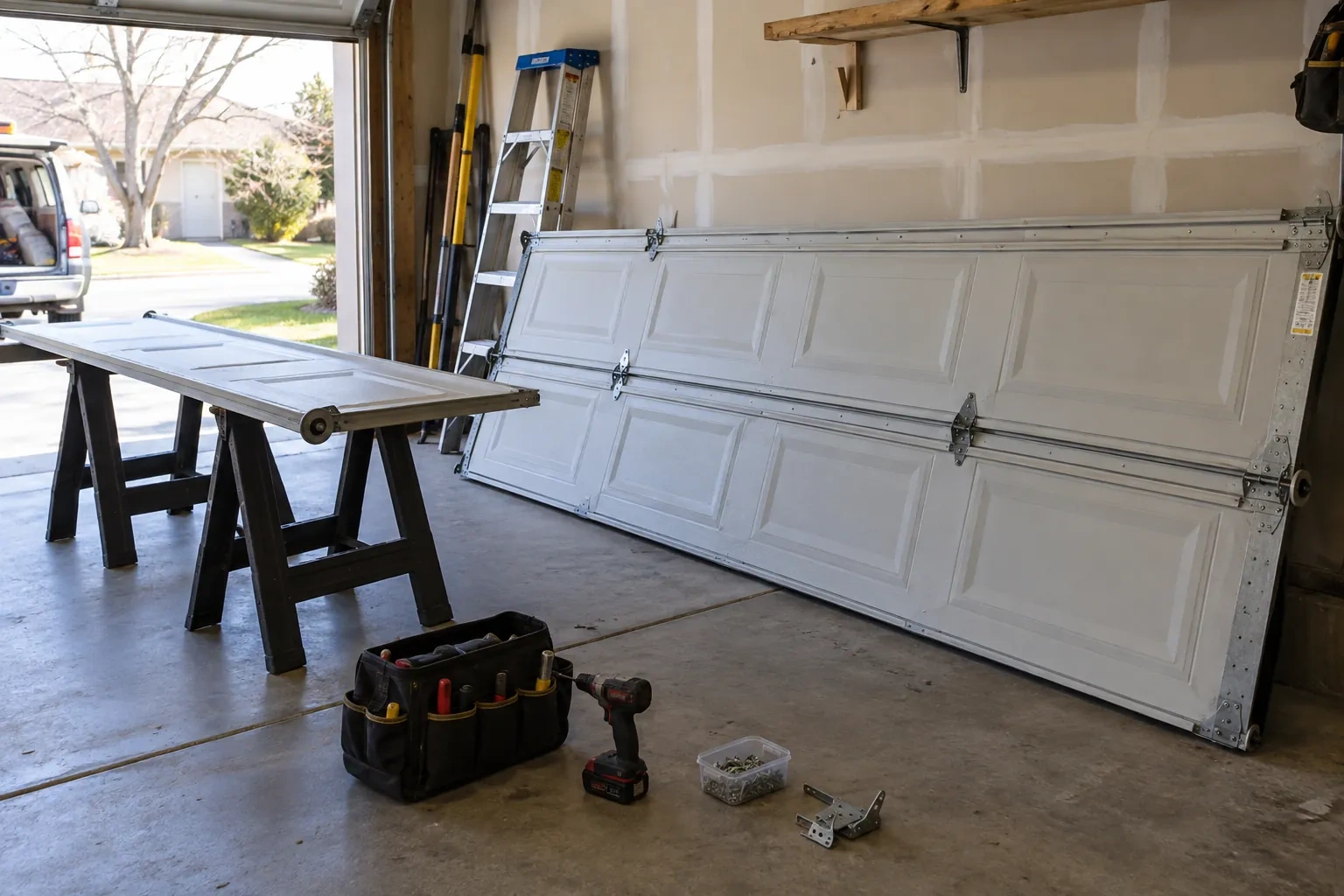
Lift cables are routed onto matched drums, the torsion shaft and bearings are aligned, and springs selected for the completed door weight are fitted. Using proper winding bars, technicians apply controlled turns and then test the door by hand through several positions. Fine adjustments continue until both cables carry evenly and the sections rise without drifting or binding. This balance step is especially important when extra struts, thicker tracks, insulation, or glazing have changed the weight compared with the former assembly.
A steadier wide opening
The completed door brings sections, reinforcement, tracks, rollers, brackets, and anchors together as a system selected for the opening's criteria. During ordinary use, it should travel in a controlled line and close squarely against the perimeter seals. In windy weather, the purpose of the added structure is to manage pressure across the broad surface and carry those forces into the jambs. Owners can simply observe from indoors and report any new flex, rubbing, or hardware movement for assessment.
Wind-Rated Garage Door Replacement
In the van
Wind-load track system
Winding bars and levels
Operator reinforcement bracket
Specified structural anchors
Torsion springs and shaft
Wind-Rated Garage Door Replacement
What affects the quote
Documentation requirements
Permit coordination, design information, installation records, labels, component schedules, photographs, and closeout details can add project administration to the physical work.
Site exposure
An open setting, building height, nearby shielding, wall position, and other design inputs can affect the wind criteria supplied for a particular garage opening.
Window configuration
Glazing size, placement, pane type, frames, and retainers affect section layout, finished weight, reinforcement selection, privacy, daylight, and exterior appearance.
What to have ready
- Can you share photos of the door labels and interior hardware?
- Are you changing the size or structure of the opening?
- Are any sections, struts, tracks, or jamb fasteners visibly damaged?
Wind-Rated Garage Door Replacement: questions
QuestionsHow is the new door tested after installation?
Technicians cycle it by hand to assess balance, cable tracking, roller travel, clearances, and seal contact. After the operator is connected, they set the open and close limits, confirm the manual release, interrupt the photoelectric beam, and conduct the prescribed contact-reversal check. Hardware and reinforcement receive a final visual review with the door closed and raised.
Can my existing garage door opener stay?
That depends on its condition, compatibility, rail geometry, mounting, and ability to operate the balanced replacement. The opener is assessed after the new door weight and reinforcement arrangement are known. If it remains suitable, it is connected through the specified operator bracket, then its limits, force settings, sensors, manual release, and reversal response are reset and tested.
Why keep the labels and installation documents?
They connect the visible door to its configuration, size, components, reinforcement, and attachment details. That record helps future technicians identify suitable replacement parts and understand why particular hardware is present. It also supports later renovation discussions by giving designers or building officials a reliable description of what was installed at the garage opening.
Related services
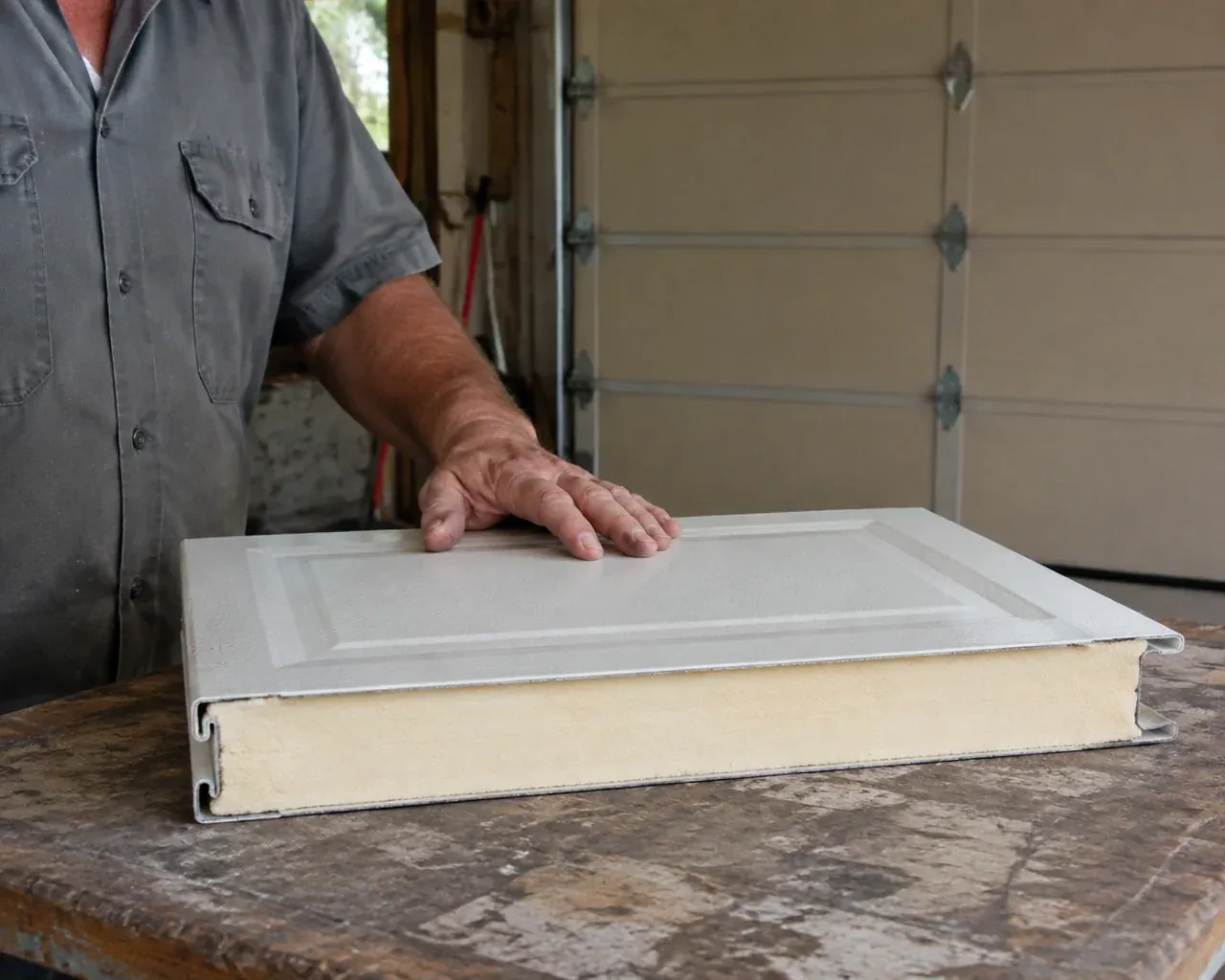
- Insulated Steel Garage Door InstallationSeveral sections are dented and the bottom edge has begun to rust.
- Carriage-House Garage Door InstallationThe existing door has reached the point where panels, rollers and finish all look tired.
- Full-View Glass Garage Door InstallationThe current door is due for replacement, and this is the opportunity to change the whole character of the opening.