New Doors · Otterville
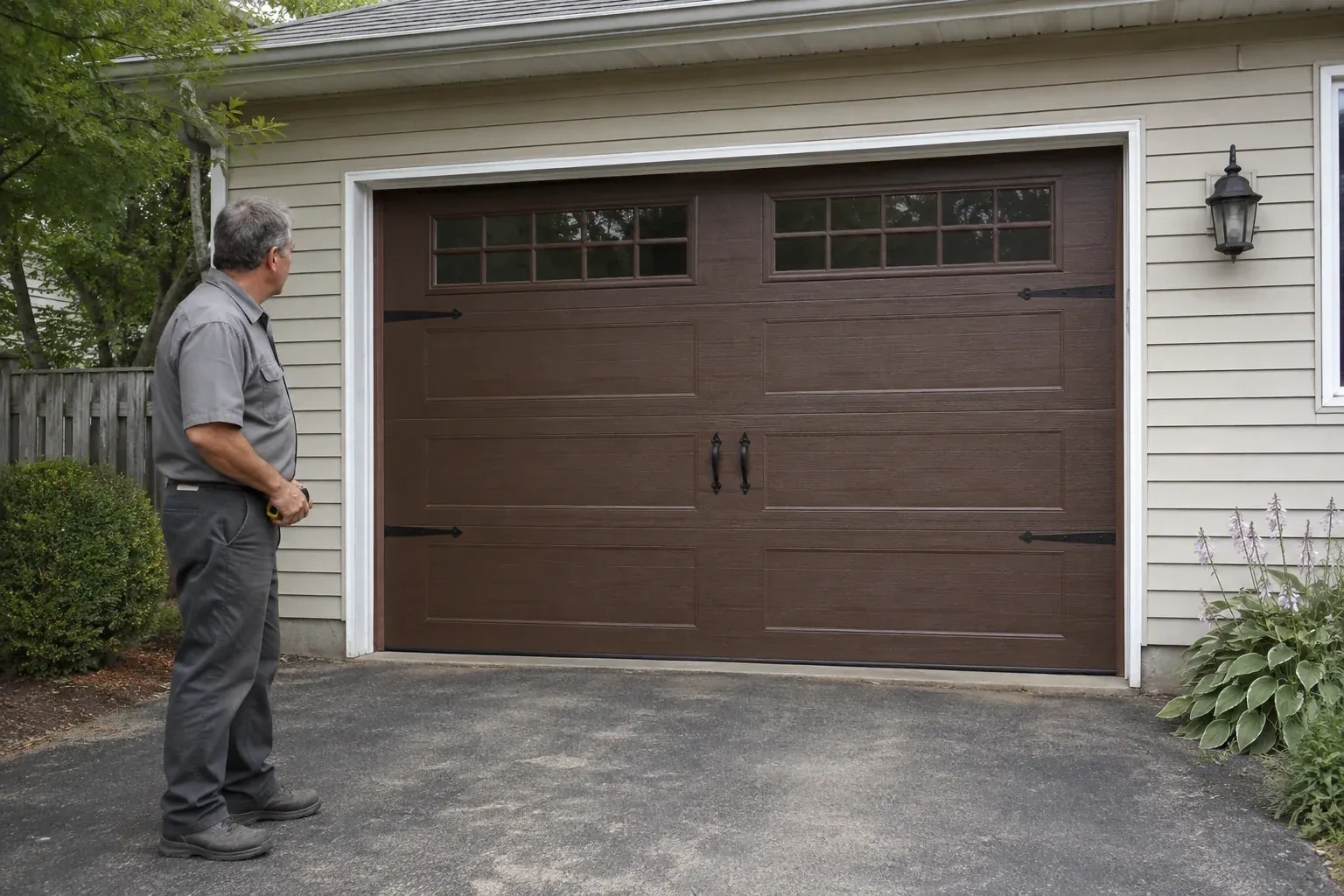
Carriage-House Garage Door Installation in Otterville
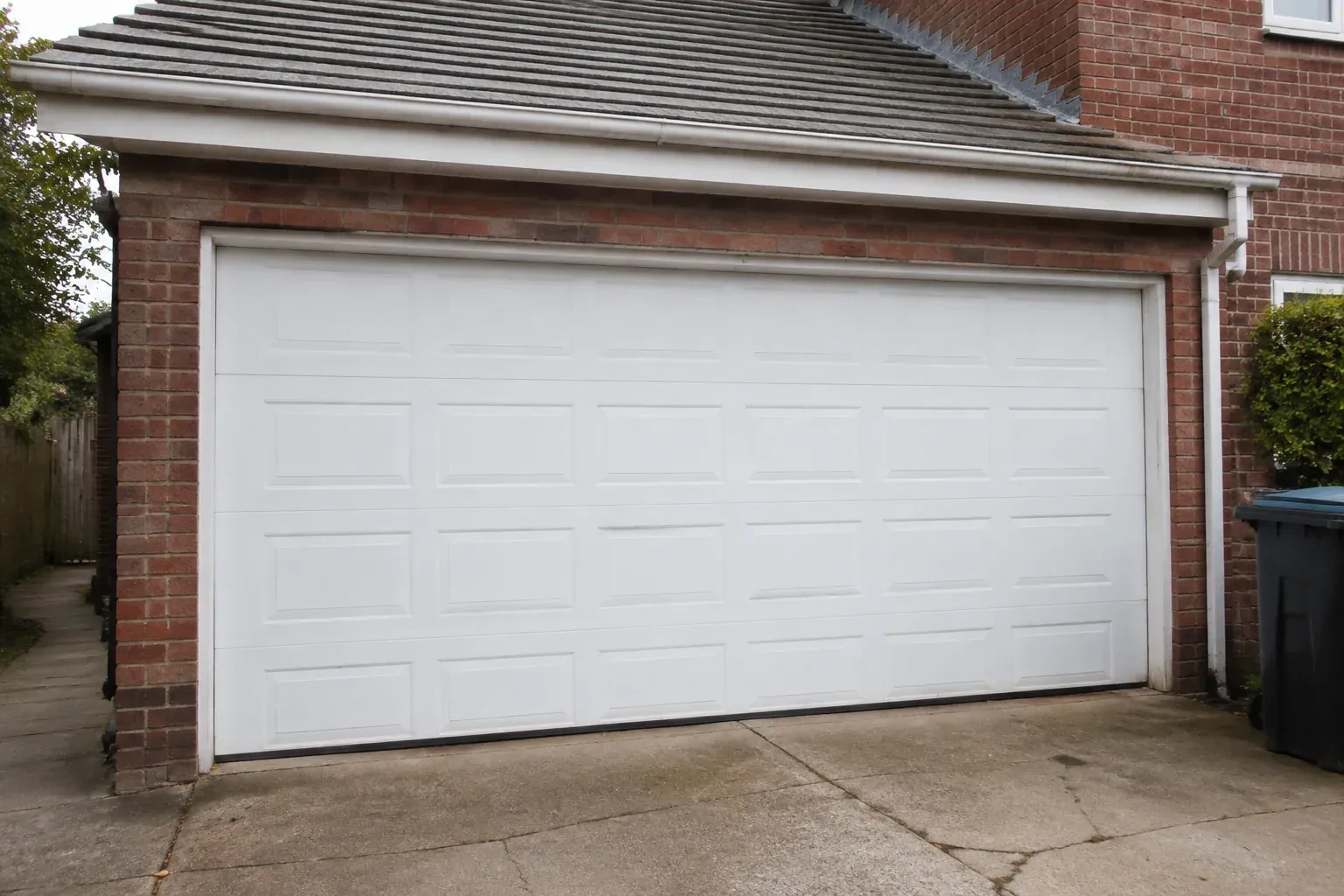
The existing door has reached the point where panels, rollers and finish all look tired.
In plain words
A carriage look can be created with several constructions, including embossed steel, insulated steel with composite overlays, or wood components intended for sectional-door use. Each choice changes weight, depth, finish care and the hardware needed to move it. The installation process matches the counterbalance and reinforcement to the selected sections, rather than treating the decorative surface as a separate add-on. That coordination supports both the intended appearance and steady overhead operation.
How the visit goesTwo garage openings sit side by side, and small differences in window spacing or decorative hardware would be obvious. You are looking for a measured installation with aligned panels and balanced proportions.
Carriage-House Garage Door Installation
How the visit goes
Checking what supports the system
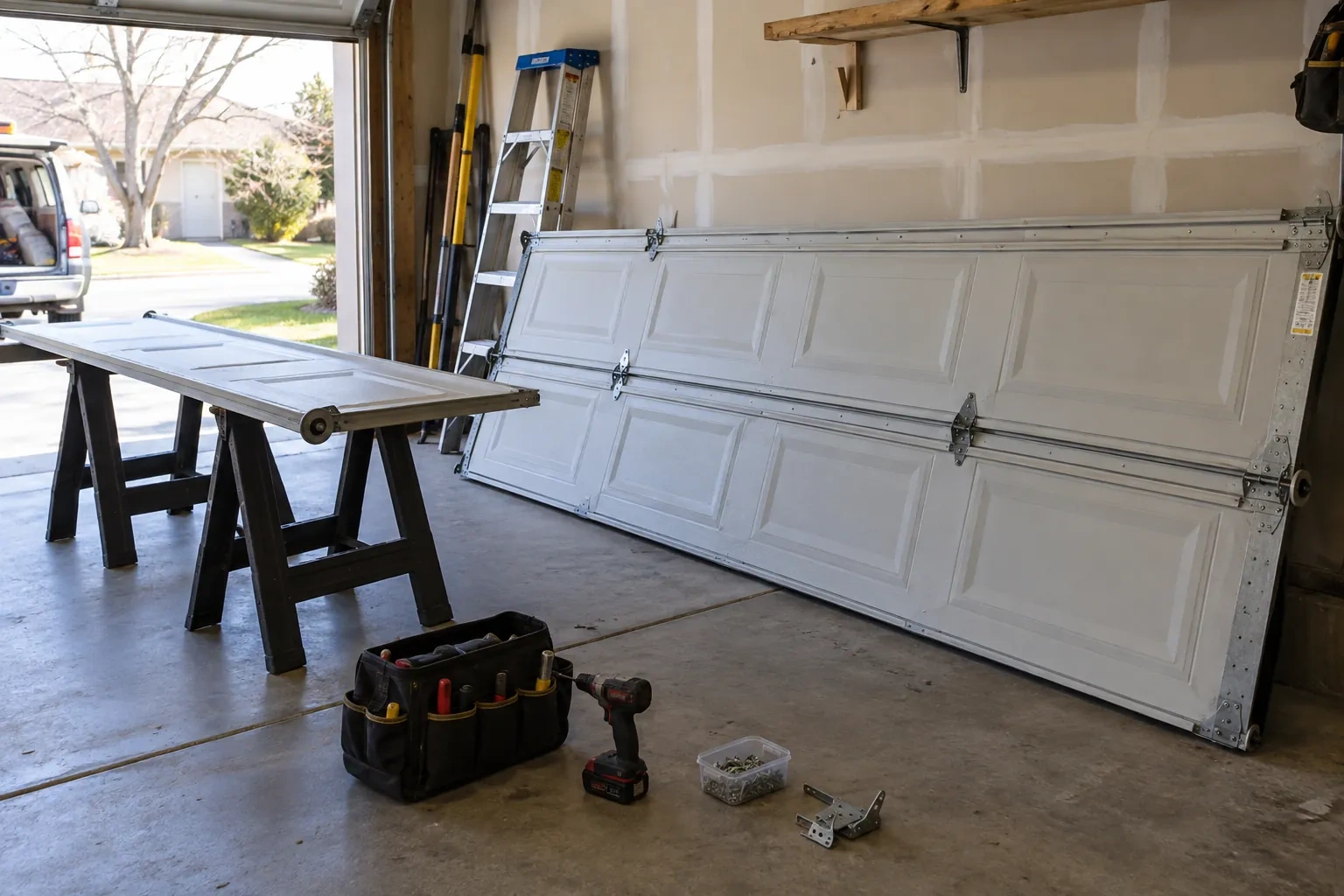
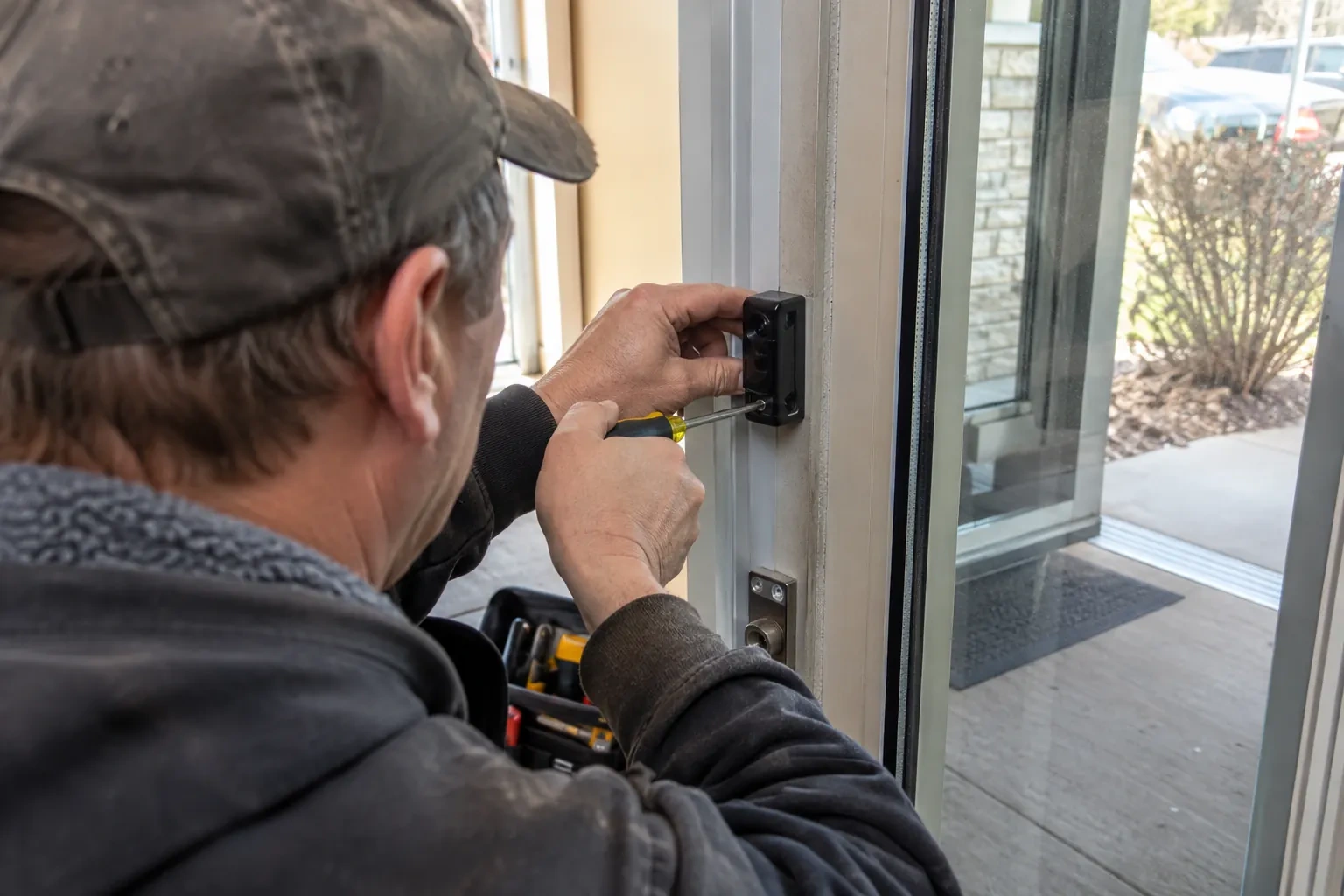
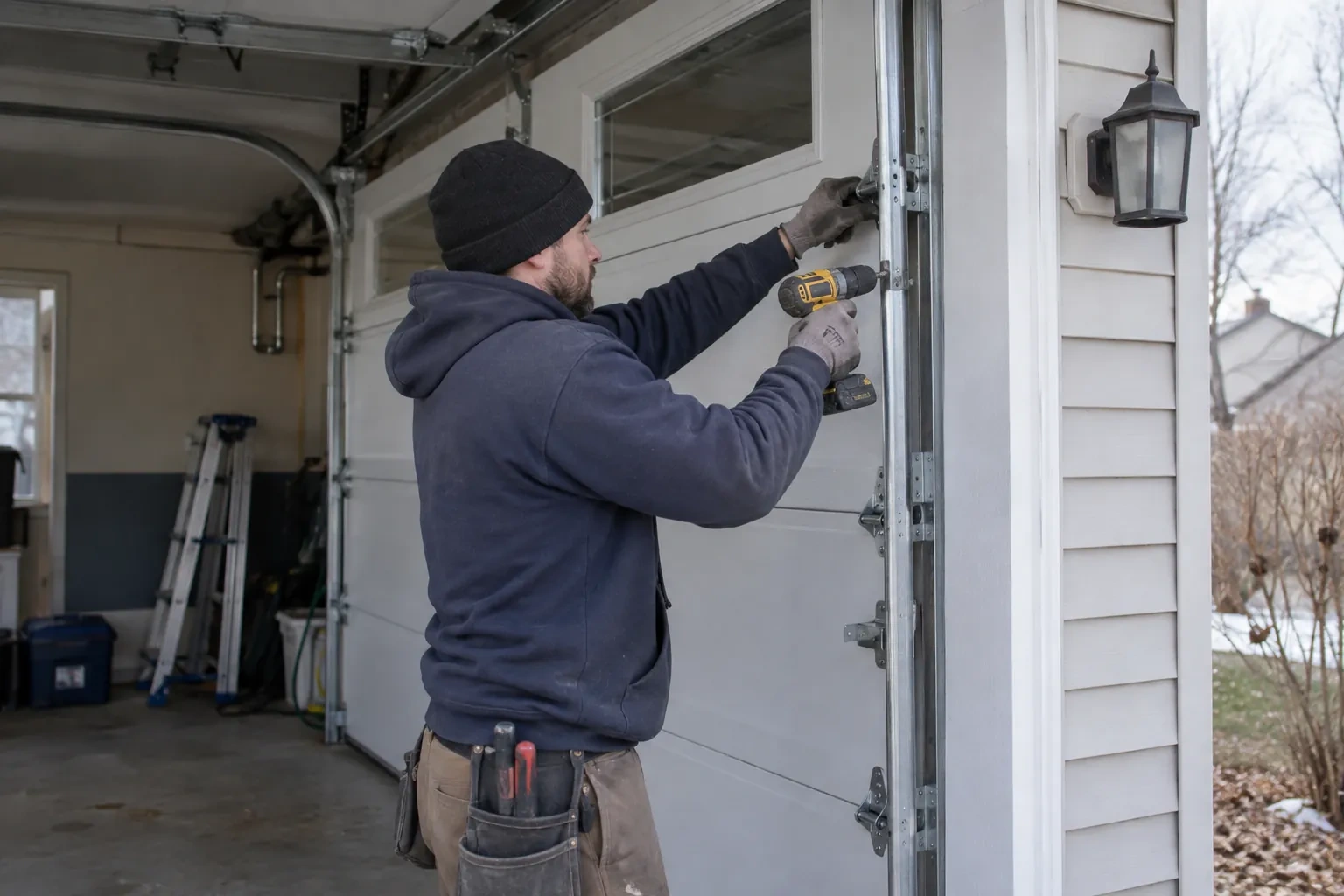
The jambs, header and ceiling supports carry tracks, spring anchors and rear hangers, so their condition is examined before hardware is specified. The technician looks for sound fastening surfaces, previous holes, movement, moisture effects and trim that hides the framing. Existing angle supports are reviewed rather than assumed suitable for the new load. If the opening itself is being widened or reshaped, that structural work is separated and resolved before door installation measurements are confirmed.
Connecting the automatic operator
The opener rail and door arm are aligned with a reinforced attachment point on the upper section. With the door already moving smoothly by hand, the operator is connected and its open and closed travel positions are set for the new geometry. Force settings follow the equipment instructions rather than compensating for drag. Wall controls, remote functions and photo eyes are checked, followed by obstruction and contact-reversal tests. The emergency release is left accessible and demonstrated as part of the operating setup.
A simple seasonal observation routine
A few calm observations help preserve the newly installed system. Watch that rollers remain centred in their tracks, listen for a meaningful change in movement and look over hinges, cables and seals from a safe position. Keep the track path clear and follow the owner's information for lubrication points and intervals. Spring, cable and bottom-bracket adjustments remain technician work because those parts carry counterbalance tension. This division gives the household useful care tasks while leaving the loaded components to trained hands.
Carriage-House Garage Door Installation
In the van
Window glazing and inserts
Reinforcement struts
Operator attachment bracket
Composite or wood overlays
Side and top seals
Carriage-House Garage Door Installation
What affects the quote
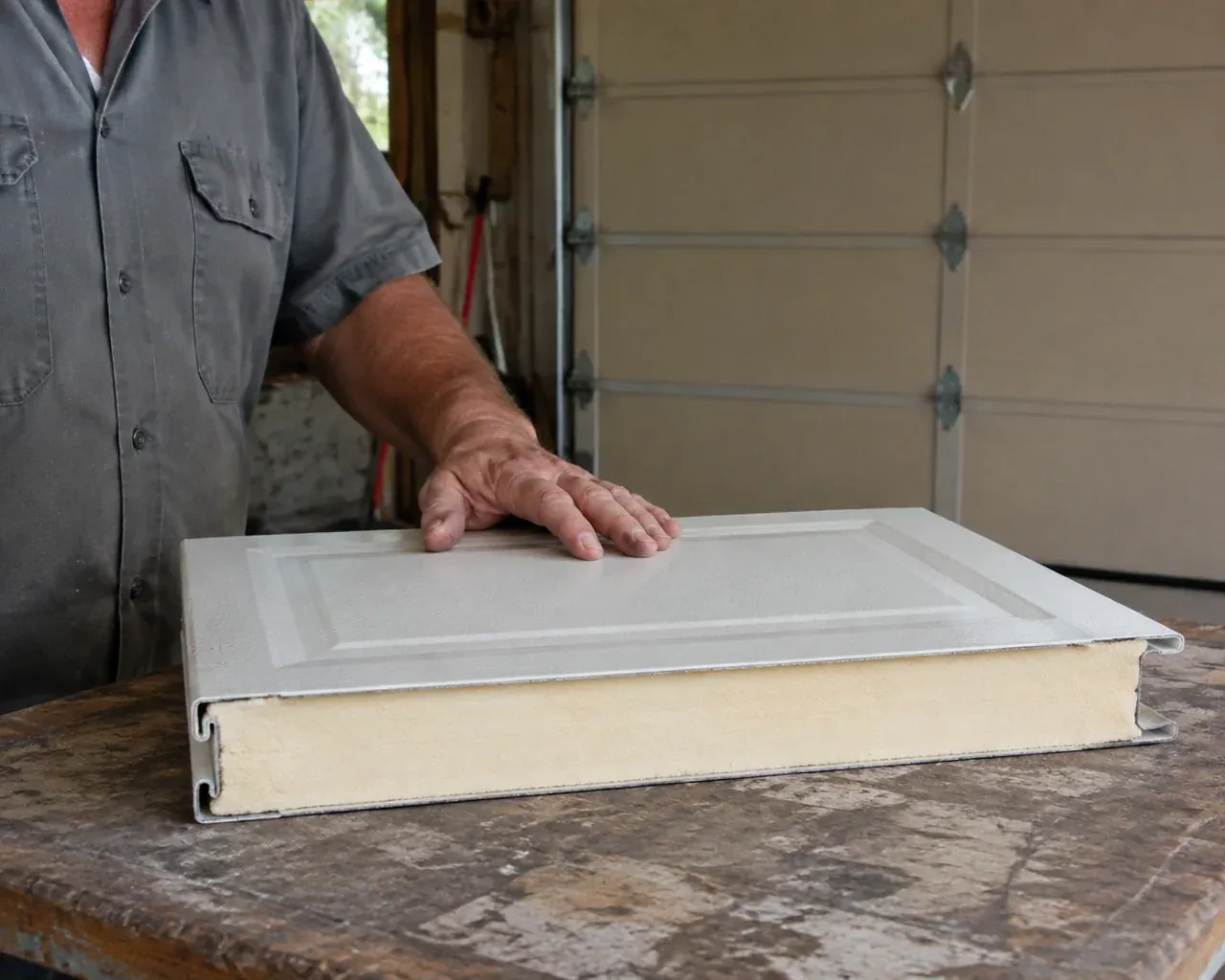
Insulation and section thickness
Insulated cores, interior skins, thermal details and thicker sections change the door specification. They can also influence track spacing, window choices, reinforcement and the final assembly weight.
Interior access and ceiling obstacles
Shelving, finished ceilings, storage systems, pipes, beams or vehicle lifts may affect equipment placement and working access. The plan accounts for those conditions before installation begins.
Jamb, header and support condition
Sound, correctly positioned fastening surfaces support tracks and spring anchors. Damaged wood, hidden framing, loose rear hangs or unfinished opening preparation add work before hardware can be mounted accurately.
What to have ready
- How much daylight and privacy should the windows provide?
- Are decorative handles, straps or other accents important?
- Will any framing or electrical work happen first?
Carriage-House Garage Door Installation: questions
QuestionsHow should I choose the panel pattern for my house?
Start with fixed proportions already on the exterior: window widths, masonry lines, roof shapes, columns and entry-door details. A simpler pattern can settle a busy elevation, while cross-buck or divided-panel designs add stronger character to a plain wall. Scale matters across wide doors, so the pattern should be viewed as a full-opening drawing or sample rather than a small swatch alone.
Can I get the traditional look and still use an automatic opener?
Yes. The traditional effect is created by section design, overlays, windows and decorative accents; the working door can still travel overhead under automatic control. The opener is matched or reviewed for the door's dimensions, finished weight and track geometry. Its arm attaches to a reinforced point, and travel, photo eyes and reversal are set after the door is balanced.
What information should I keep after the project?
Retain the door and opener instructions, product identifiers, colour or finish reference, glass selection, spring information and the final work record. Photographs of labels and the completed decorative layout can also help. This small file supports correct cleaning choices, makes later parts discussions more precise and gives future service technicians a clear account of the system originally installed.
Related services
- Insulated Steel Garage Door InstallationSeveral sections are dented and the bottom edge has begun to rust.
- Wind-Rated Garage Door ReplacementNew windows would improve the door's appearance, but they also change the section layout and reinforcement pattern.
- Full-View Glass Garage Door InstallationThe current door is due for replacement, and this is the opportunity to change the whole character of the opening.